Camas-Washougal logo tag

Residents raise alarm over gravel mine proposed north of Washougal

They say trucks hauling rock pose safety, environmental concerns

By
timestamp icon
category icon Business, Environment, Government, News, Washougal
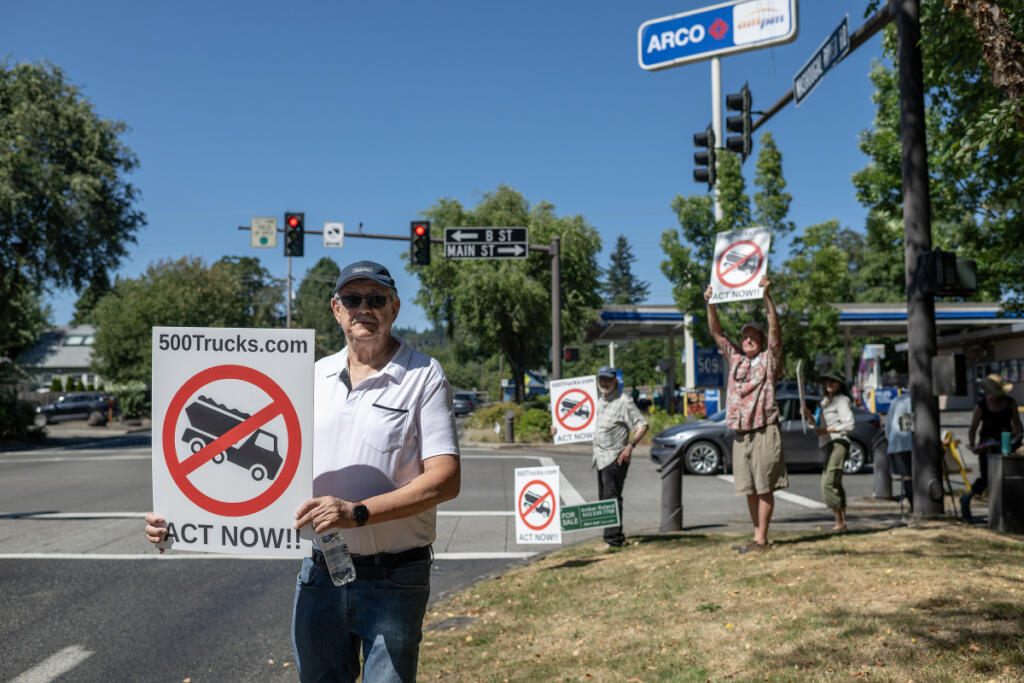
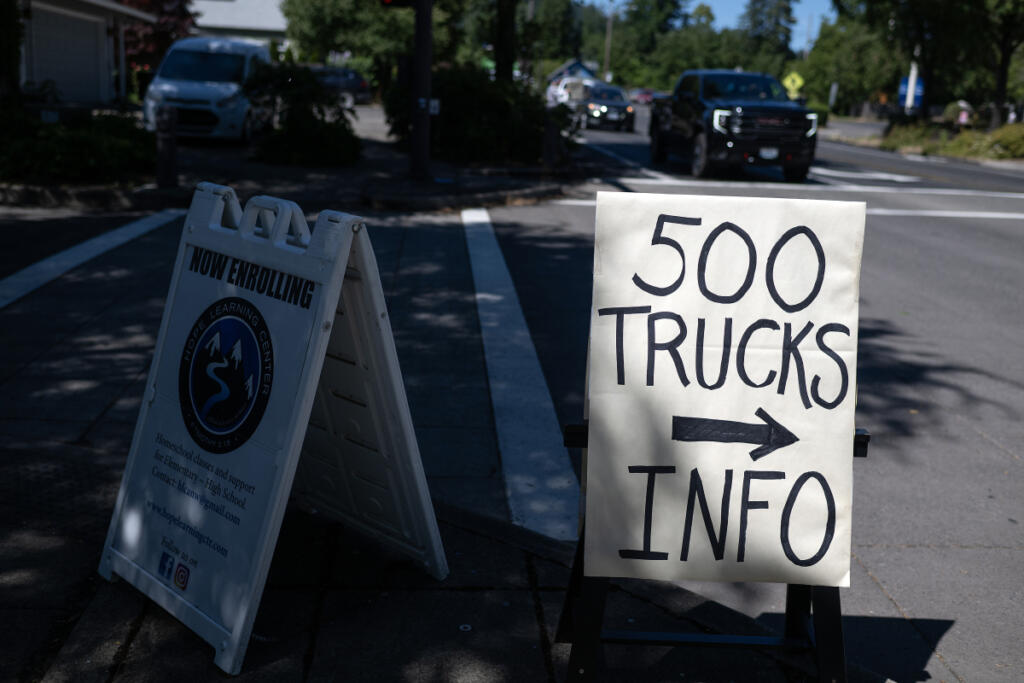
Residents in Camas and Washougal are worried about a proposed gravel mine in Skamania County.

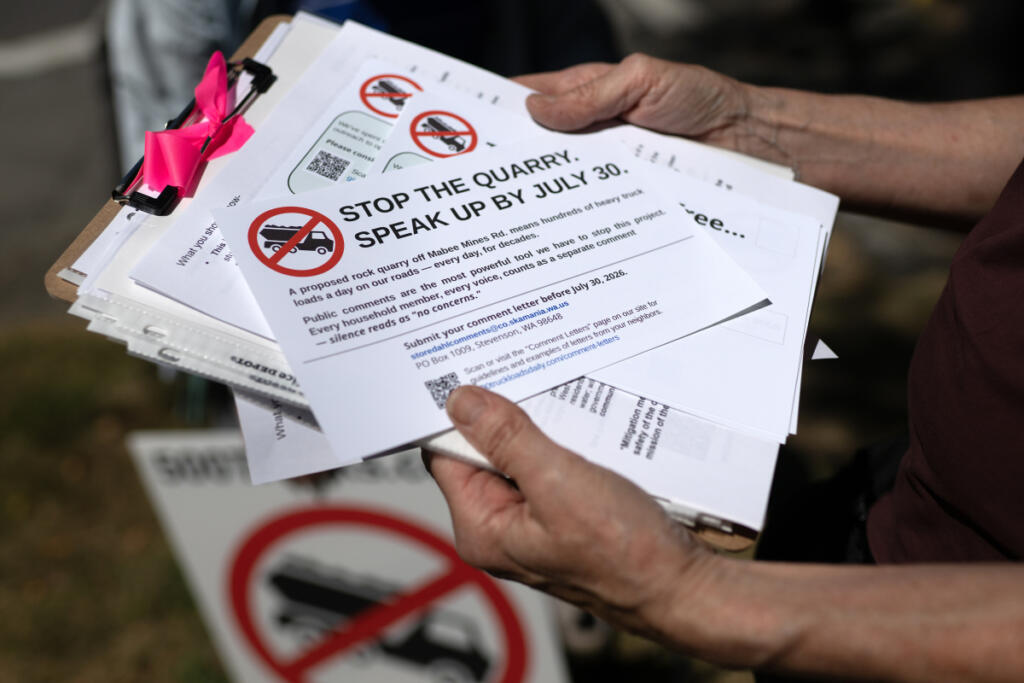
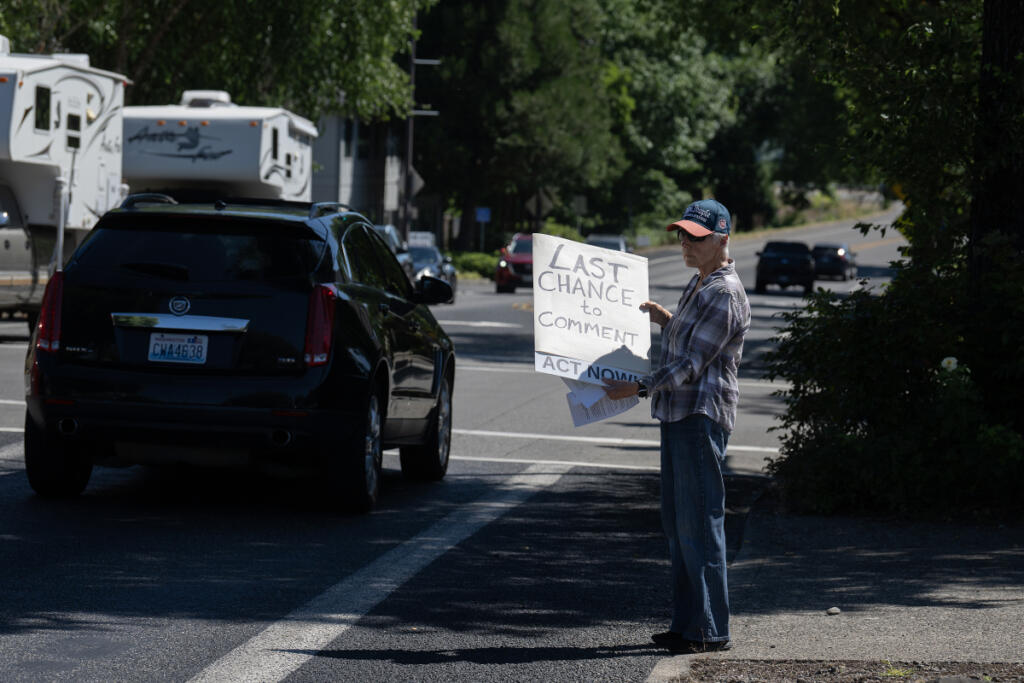
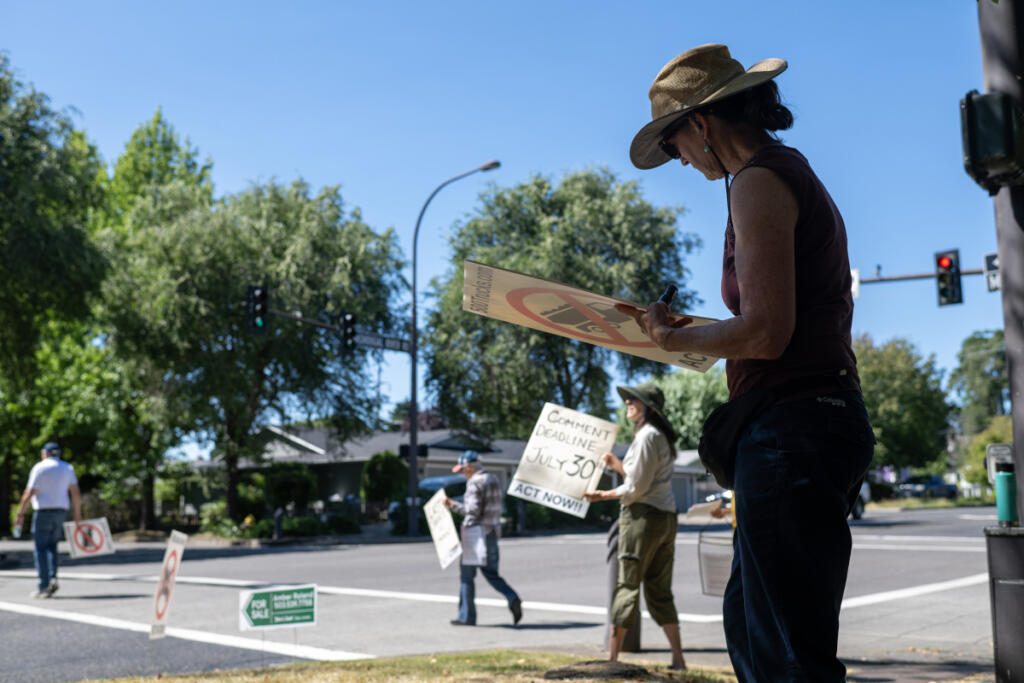
J.L. Storedahl & Sons, which is owned by Vancouver-based Rotschy Inc., applied for a conditional use permit to operate a surface mine roughly 10 miles north of Washougal in 2022. A draft environmental impact assessment on the project was completed in March and opened to public comment on April 1. The comment period ends Thursday.

Storedahl plans to remove an estimated 24 million cubic yards of crushed aggregate over the next 35 to 40 years. Activities at the site will include drilling, blasting, loading, hauling, crushing, screening, stockpiling and commercial sales of crushed aggregate. While the total permit boundary will include nearly 274 acres, Storedahl said approximately 180 acres would be subject to mining activities.

With Clark County expected to add thousands of new homes, apartments and condominiums over the next 20 years, the need for affordable aggregate material, which is often barged in from other areas, will continue to rise. According to Storedahl, the proposed mine is needed to meet that demand.

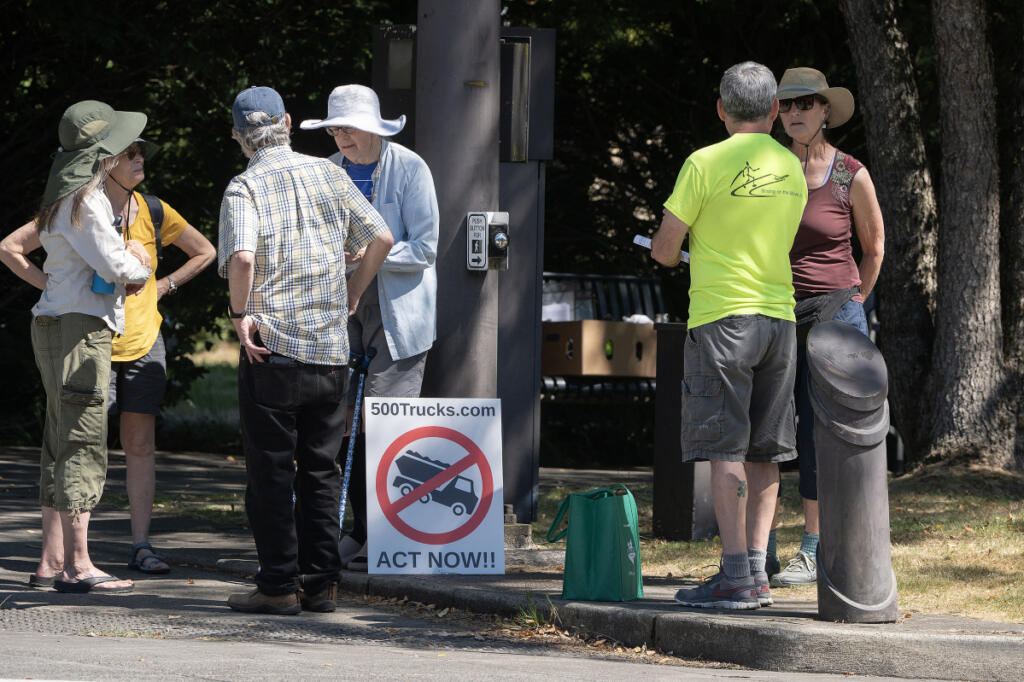
Cyndi Soliz from the Cape Horn Conservancy, a nonprofit focused on stewardship of the Cape Horn Trail and public lands along the Washougal to Stevenson corridor, said residents are worried about how the project will impact local roads and disturb the area’s rural feel.

“We want this community to remain rural, quiet with little to no traffic,” she said.

If the mining operation goes forward, according to the environmental analysis, crushed rock would be hauled by truck with up to 250 daily trips to the site and 250 return trips leaving the site.

Proposed hours of operation are 7 a.m. to 4:30 p.m. for commercial traffic, although during periods of peak demand or emergencies those hours may be expanded. Opponents say that will add one truck trip to local roads every 68 seconds.

The proposed haul route includes Salmon Falls via state Highway 14, Mabee Mines Road via Salmon Falls Road, Kellett Road via McCloskey Creek Road, Washougal River Road and Mabee Mines Road. It would continue toward and into Clark County along Highway 14.

Soliz said residents are especially concerned about the additional traffic crossing the Camas Slough Bridge. The 62-year-old bridge connects Camas and Washougal and is already known for fatal crashes. In March, despite the known issues, the Legislature declined to provide the $125 million in funding needed to expand and repave the bridge.

Washougal Mayor David Stuebe also has concerns about the proposed mine’s traffic impacts. He said the city isn’t opposed to the project but wants to ensure it’s a “win-win for everyone.”

During a city council meeting on Monday, Stuebe reviewed a resolution on the project to be submitted as public comment. He said the city of Camas, the Port of Camas-Washougal and Washougal School District also plan to sign the resolution.

Mitch Kneipp, community development director for Washougal, said the environmental analysis failed to consider the full impacts of the additional truck traffic.

“We said that (analysis) should be expanded, should look at the slough bridge, it should look at possible level of service analysis for 32nd Street, especially as it relates to the port and Washougal River Road as well,” Kneipp said.

He said the environmental analysis also failed to address impacts to public safety, specifically how police and first responders could be affected.

Get the latest headlines in your email every week!

This field is for validation purposes and should be left unchanged.

“There needs to be some coordination over the long term about what it is that has these trips, and we grow and they grow and how that’s going to work,” Kneipp said.

In a July 15 letter to Skamania County and the Columbia River Gorge Commission, Washougal resident Ann Horinouchi said expecting heavy trucks to share public roads with schoolchildren waiting at bus stops, residents walking their dogs or riding horses, and wild deer and elk herds “is a terrifying, high-risk endeavor.”

“Fully loaded gravel trucks require immense stopping distances, and on steep, blind corners, there is zero margin of error for a child, a cyclist, or a slow-moving school bus,” Horinouchi said in her letter.

After the public comment period closes on July 30, a hearings examiner will review the comments before a final environmental impact statement is prepared.