Camas-Washougal logo tag

Camas council weighs code changes on camping

Officials aim to make rules consistent with Grants Pass ruling

By
timestamp icon
category icon Camas, News
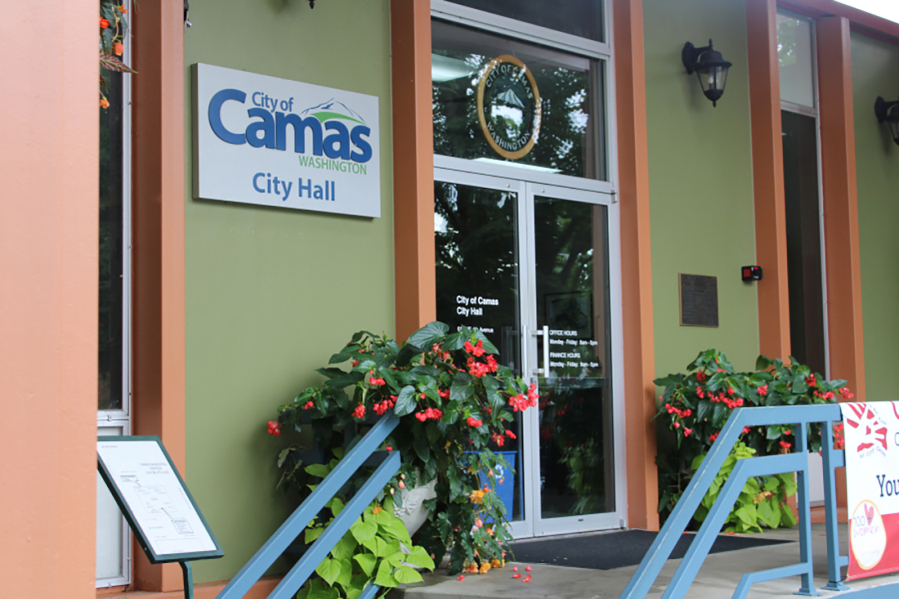
The city of Camas is proposing criminalizing camping on city property through a series of municipal code changes that officials say will help provide the police department with more options for enforcing unlawful camping in public spaces. (Kelly Moyer/The Columbian files)

The Camas City Council is considering a series of municipal code changes that will make camping on city property a crime.

Officials said the proposed changes would give police officers tools to address trespassing and camping on public property consistent with Grants Pass v. Johnson, a July 2024 U.S. Supreme Court ruling that found the Eighth Amendment’s “cruel and unusual punishment” clause does not prohibit the enforcement of laws regulating camping on public property.


“In alignment with our strategic plan, this addresses safe and accessible communities, stewardship of city assets, and ensuring a vibrant and safe community,” City Administrator Doug Quinn said during the Aug. 4 city council meeting.

Camas residents have expressed fear and avoided using city amenities, such as parks, when camps are present, according to a city staff report.

“We adopted a comprehensive amendment to our camping ordinance a couple years ago,” City Attorney Shawn MacPherson said during the meeting. “The ordinance was successful in that it had some teeth in it, and we could use some enforcement mechanisms, but it still had limitations associated with offering overnight accommodations and things like that. With the Supreme Court decision, we (wanted to) clean up the ordinance in a better fashion.”

Ordinance 25-015 states that it shall be unlawful for any person to camp in parks, streets, rights of way, public property, publicly owned or maintained parking lots, and wildfire impact areas; and for any motor vehicle to be used for the purposes of habitation on any public property, including parks, streets, sidewalks, parking lots or rights of way. It also bans sleeping on sidewalks, streets, alleys and within doorways.

“It is important to maintain public property consistent with its intended use while balancing the needs of those experiencing homelessness with the impact on the entire community, avoiding environmental impacts to the city waterways and sensitive lands, and further avoiding the heightened risk of fires in wildfire impact areas,” the ordinance states.

The amended code gives police officers the ability to first issue campers a notice of infraction, followed by a fine of up to $100, and a fine of up to $200 and a 30-day exclusion order from the particular public properties associated with the violations. A violation of any exclusion order shall be subject to a citation for criminal trespass, a misdemeanor punishable by a fine of up to $1,000 or by imprisonment of up to 90 days.

“I appreciate the specificity and the definitions,” Councilor Marilyn Boerke said during the meeting. “That’s very helpful. It’s nice to see that we have some teeth that we didn’t have before.”

The Washougal City Council approved a similar ordinance in 2024. The city of Vancouver and Clark County passed similar unlawful camping ordinances prior to the Grants Pass decision.

Sesany Fennie-Jones, CEO for Vancouver-based Council for the Homeless, previously said that policies that criminalize camping in public spaces — also known as “camping bans” — “hinder the ability for our unhoused neighbors to survive on a day-to-day basis, have a detrimental impact on the physical and mental health outcomes of individuals experiencing homelessness, and increase the likelihood that an individual will remain trapped in the cycle of homelessness.”

Doug Flanagan: 360-735-4669; [email protected]