Camas-Washougal logo tag

Bridge replacement delays to add $1M day, McEnerny-Ogle says

The comments come as the project faces political uncertainty

By
timestamp icon
category icon Clark County,

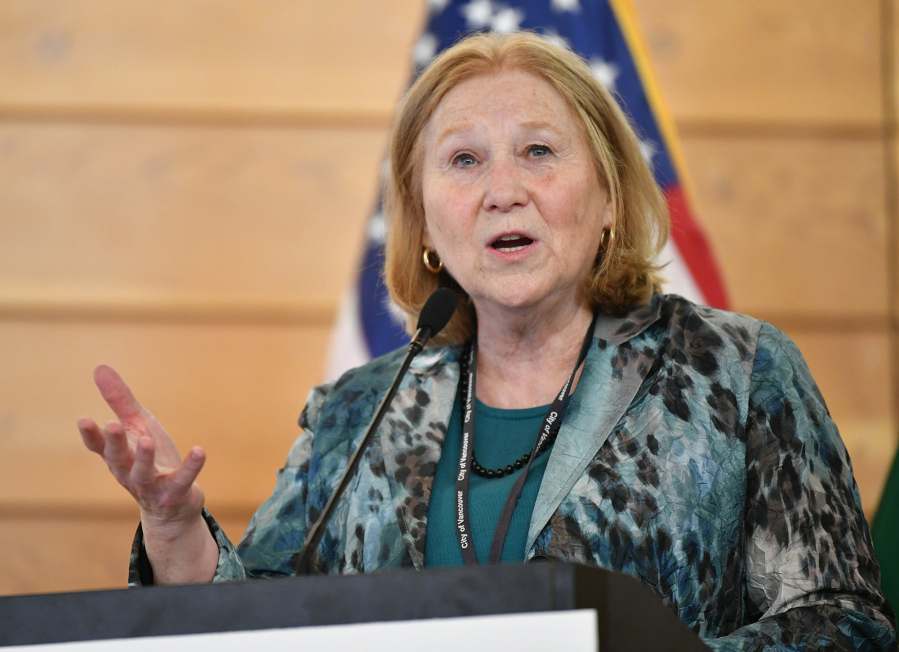
Vancouver Mayor Anne McEnerny-Ogle warned earlier this month that construction delays on the Interstate 5 Bridge Replacement Program would cost $1 million a day.

The comments come as the roughly $6 billion project continues to press forward despite uncertainty about whether a megaproject bridging two blue states can succeed under President Donald Trump.


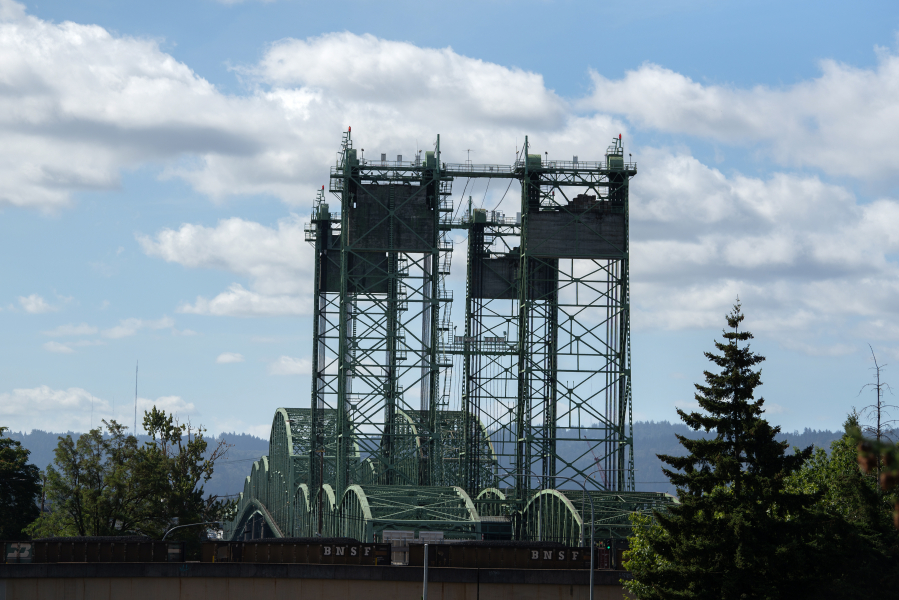
Meanwhile, the project last month cleared two more of the seemingly endless procedural funding hurdles it faces on the way to replacing the 108-year-old bridge, which carries about 130,000 vehicles every day.

McEnerny-Ogle said in an Aug. 7 interview with KATU News the delays would raise the project’s price tag because the cost of the work to build the bridge itself only increases over time.

The project is currently funded with $2.1 billion from the federal government, $1 billion each from Washington and Oregon, and $1.2 billion from future tolls.

McEnerny-Ogle singled out inflation, tariffs, labor costs and material costs as driving the potential increase in the price tag for the new bridge.

Construction is only allowed in the Columbia River during a period when fewer salmon are in it, she said. That means if construction misses the window in 2027, it will have to wait until the next year.

A spokeswoman for the mayor’s office said McEnerny-Ogle was unavailable to answer questions about her comments Friday.

Greg Johnson, who is leading the bistate bridge replacement project, said the cost would actually be about $800,000 a day.

In a statement, Johnson said two factors drive that figure: “schedule delays that require ongoing labor to sustain the program through design and construction phases; and (g)eneral inflation, which impacts the cost of labor, materials, equipment and other resources.”

The project has determined that its in-water work window will be September through April based on requirements from a handful of regulatory agencies, a project spokesman said.

That means in-water work could start as soon as September 2027. But it also means that if the work doesn’t start by April 2028, it would have to wait until September of that year, which would drive up the project’s cost by $100 million over those four months.

Johnson said the project still expects to complete its environmental review process and receive a green light from the federal government to break ground in early 2026. He added that even if the project misses the 2027-28 in-water work window other construction work could still be done.

Henry Brannan: 360-735-4530; [email protected]; @henry_brannan

About the project: The Murrow News Fellowship is a state-funded journalism project managed by Washington State University. Local partners are The Columbian and The Daily News. For more information, visit news-fellowship.murrow.wsu.edu/