Dr. Margaret Wild, the Washington State University College of Veterinary Medicine scientist heading up the effort to study hoof disease in elk, will soon be retiring.
She recently summed up what that effort has accomplished, as well as the next steps she sees as necessary to move forward the management of the disease.
The university has already started a search for Dr. Wild’s replacement.
Dr. Wild has spent much of her career researching Chronic Wasting Disease in deer. She carries a doctorate in zoology, a bachelor’s in wildlife biology, and a doctor of veterinary medicine from Colorado State University.
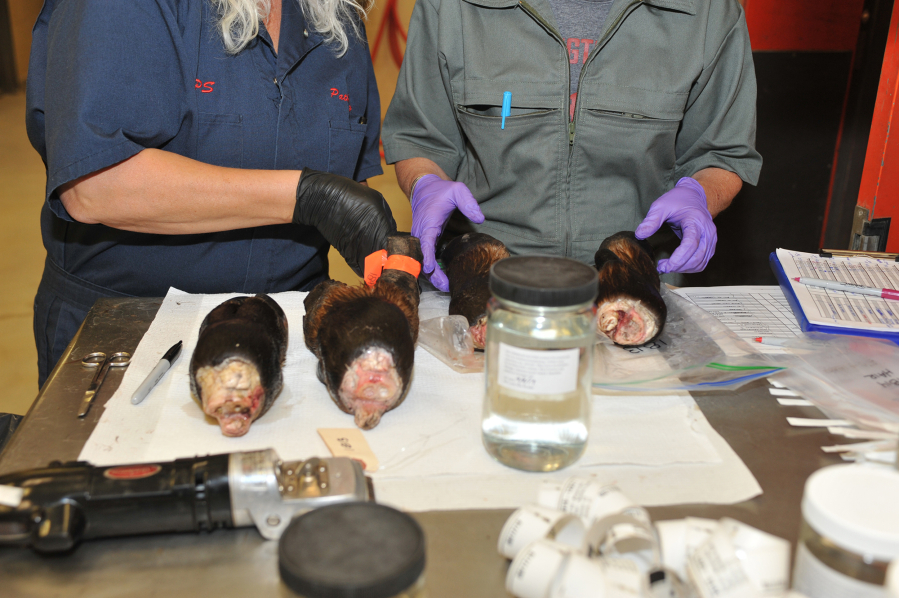
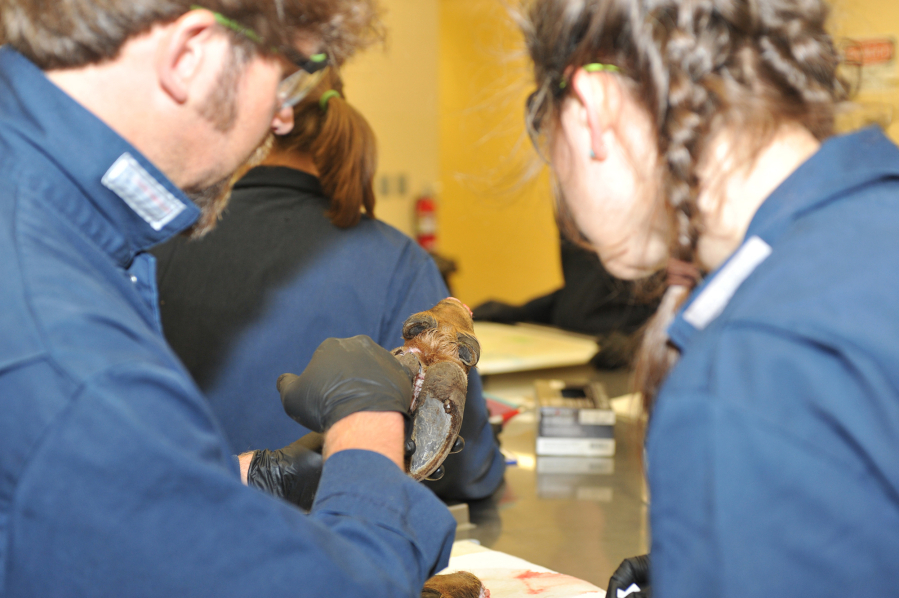
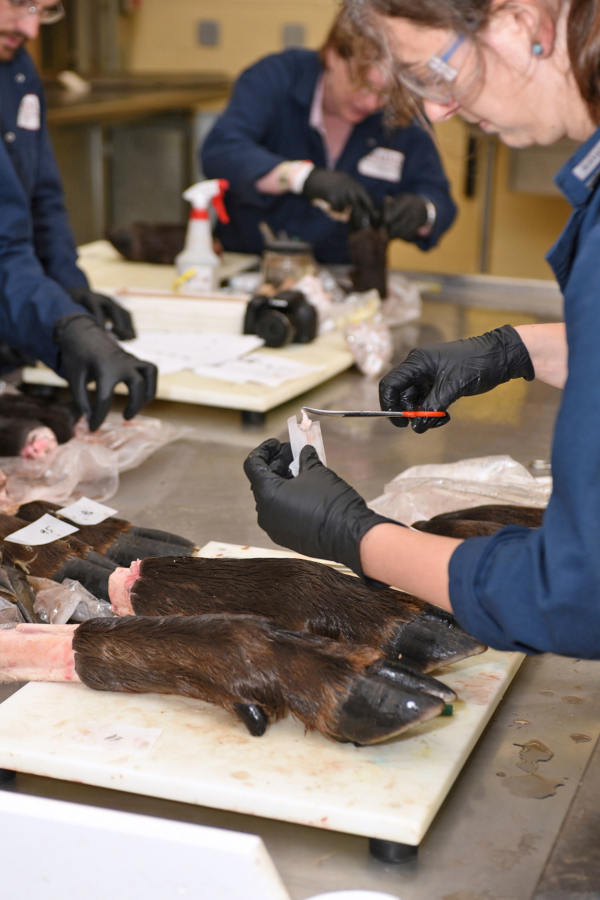
Treponema Associated Hoof Disease (TAHD) is a bacterial disease that has severely impacted the elk herds in Southwest Washington, and has spread to other parts of the state, as well as other states across the west. The disease attacks the hooves of the elk, causing lesions and deformities, eventually crippling them.
It was first detected in the Mt. St. Helens herd in 2008, and has cut that herd’s population in half over the last 17 years. As the disease spread, it also spread alarm, and eventually the WDFW and WSU teamed up to see what could be learned about TAHD, and what might be done to mitigate its effects.