Camas-Washougal logo tag

Washington snowpack falls below drought threshold for 4th year; statewide emergency declared

Officials declare emergency as levels at 52% of average

By
timestamp icon
category icon Clark County, Environment, Government, News
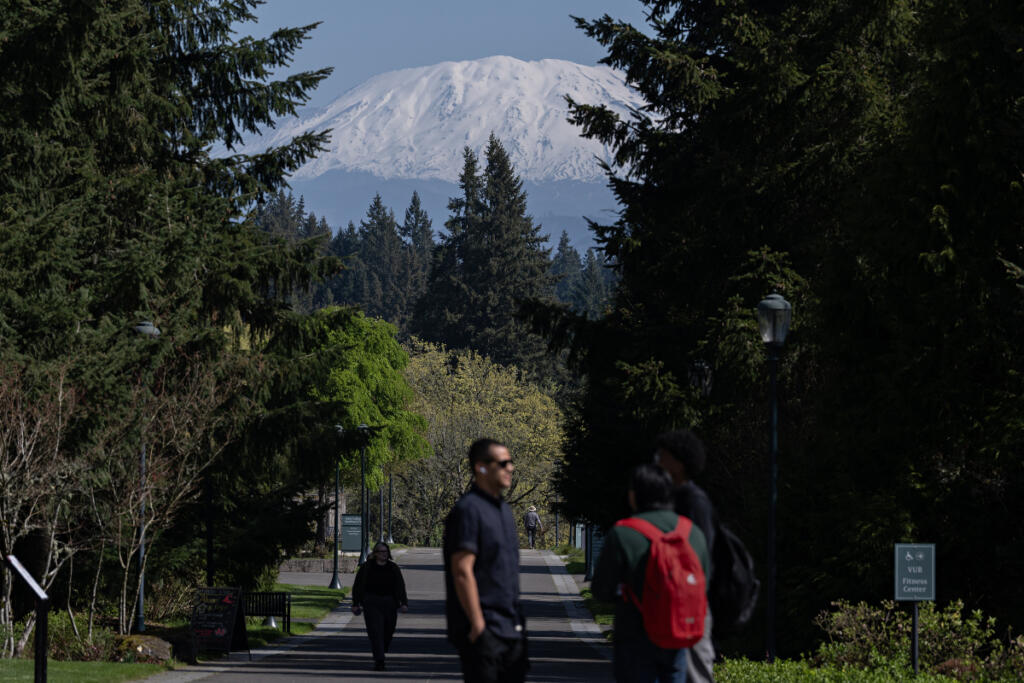
Abnormally low snowpack levels this winter led state officials to declare a statewide drought emergency Wednesday.

This is the fourth consecutive year that snowpack levels fell below the drought threshold, Casey Sixkiller, director of Washington’s Department of Ecology, said during a Wednesday morning press conference.

“Under state law, we declare drought when water supply drops below 75 percent and creates hardships for people, farms or the environment. This year, every watershed in our state has met that threshold,” Sixkiller said.

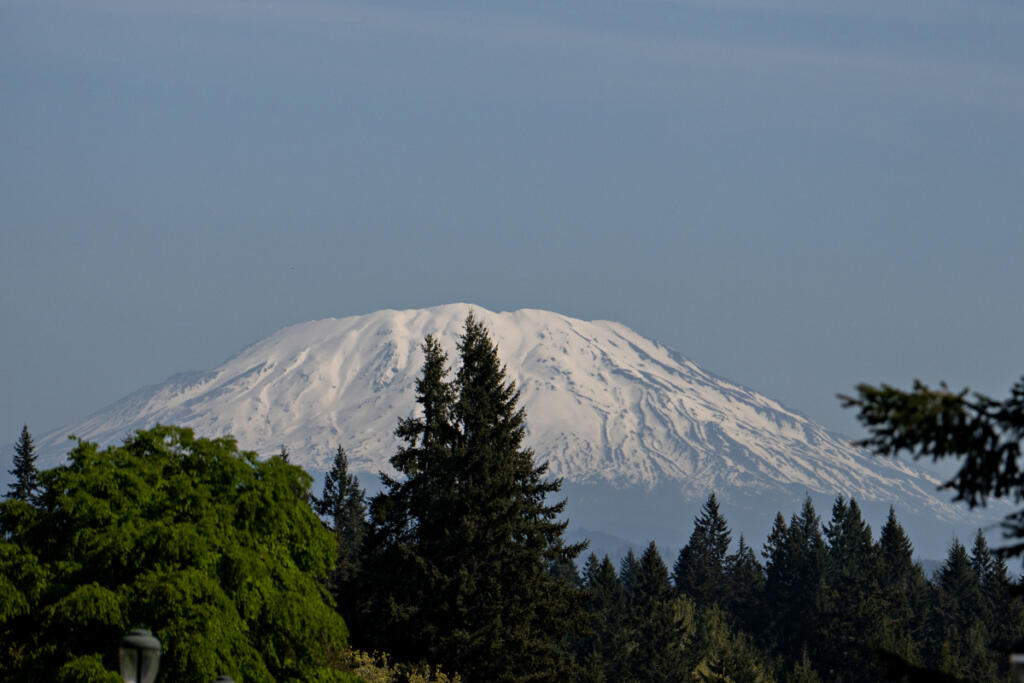
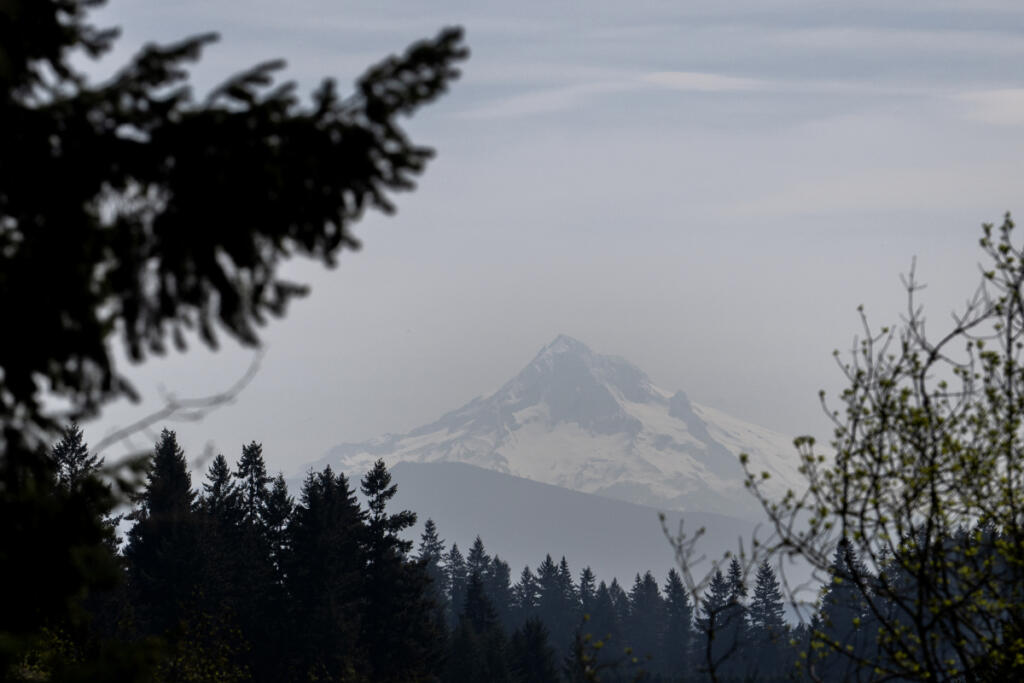
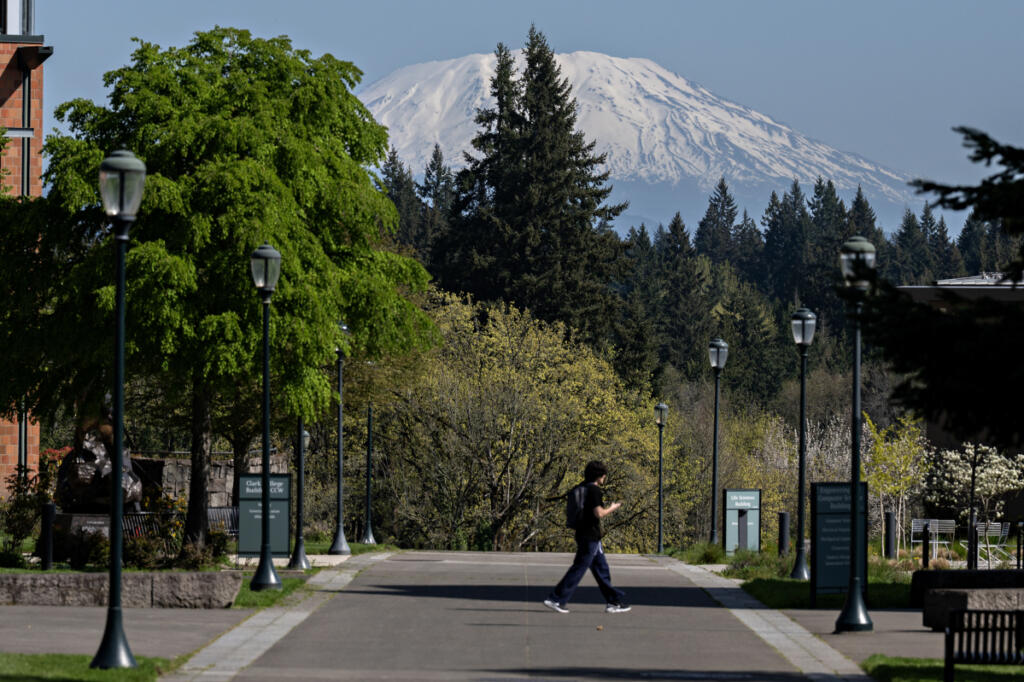
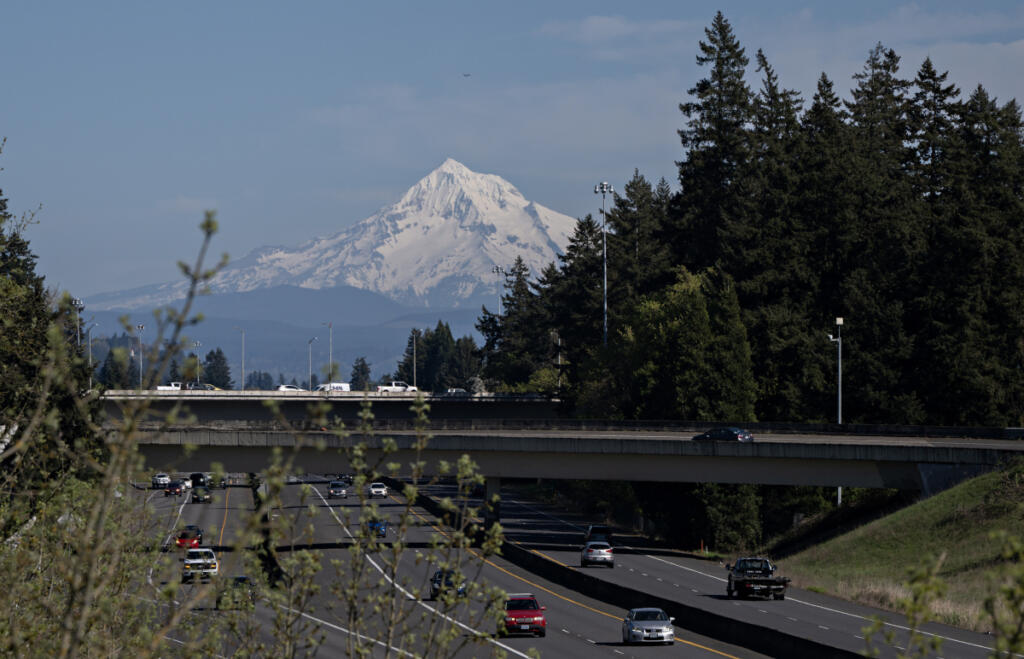
Statewide snowpack levels as of April 1 were at 52 percent of average. In the Lower Columbia region, snowpack levels were at 49 percent of average.

Declaring a drought emergency allows the state to take immediate action to provide funding, support water users facing shortages, and coordinate with local and state partner agencies, Sixkiller said.

Farmers, irrigators, tribal nations and other users whose livelihoods depend on the availability of water will feel the impacts first and the most.

“There’s no way to sugarcoat what’s happening today. We have entered April with roughly half of our normal snowpack,” he said.

Water from melting snowpack typically feeds into rivers, lakes and water reservoirs over the dry summer months, while also keeping river temperatures cool for native fish species. When snowpack levels are low, there’s not enough runoff to refill dwindling water supplies. April 1 is typically the peak time to measure snowpack levels.

“To put it into perspective, the Yakima Basin reservoirs can store about a million acre-feet of water, but communities, farms and fish need about 2.5 million acre-feet of water each summer,” Sixkiller said. “Even in a well-managed system like Yakima, storage alone is not enough. We need a healthy snowpack.”

For Southwest Washington, the ongoing drought and an expected shift to a El Nino climate pattern — which will bring warmer, drier conditions over the summer — will increase the risk of wildfires. Area fire stations are preparing for an earlier fire season.

“Wildfire risk typically increases when drought conditions are combined with high temperatures, low humidity and wind,” East County Fire and Rescue Chief Steven Black said. “While we can’t control weather conditions, we can reduce risk through actions such as maintaining defensible space, ensuring driveways are accessible for emergency vehicles and following safe burning practices.”

Black said how much rain, sun, wind and heat the region gets over the summer will better indicate the risk of wildfires.

“While this year has seen lower-than-average precipitation, which can raise concerns about fire risk, it can also result in reduced vegetation growth — meaning less available fuel later in the season,” Black said. “As a result, the overall outlook is mixed, and conditions will continue to depend on how the summer weather develops.”

Clark County Fire District 3 Chief Chris Drone said all of the district’s firefighters are ready and certified to respond to wildfires at home, across the region and across the state.

“That partnership with (the Department of Natural Resources) and other agencies strengthens the entire system and brings valuable experience back to our community,” he said.

Beginning in June, the district will offer free fire risk surveys in wildland-urban interface areas to help residents with home hardening, defensible spaces and evacuation planning.

“Even in a moderate year, wildfire risk can change fast (especially with wind), so our focus is on being prepared early and staying ahead of those conditions,” Drone said.

Warm winter to blame

During Wednesday’s press conference, Karen Bumbaco, deputy state climatologist with the Washington State Climate Office, said this year’s snowpack levels are the third lowest since records began in 1985, behind 2005 and 2015.

“All of those years were associated with drought impacts across the state, ranging from reduced hydropower to fish mortality to reduced water allocations for agriculture,” Bumbaco said.

Similar to 2005 and 2015, warmer winter temperatures played a key role in reducing snowpack levels, she said. Warm December temperatures brought rain rather than snow to the higher elevations, then a midwinter dry spell and continued warmer-than-normal temperatures further limited snowpack growth. Although a series of mid-March storms brought some snow to the mountains, it was quickly melted by warmer-than-normal temperatures afterward, Bumbaco said.

According to state officials, the 2025-26 winter was the third warmest since records began in 1895.

“This year’s drought is exactly what we expect to see more of in the future,” she said, adding that “our climate today is warmer than it used to be, and that warming likely played some role in this year’s lack of snowpack. Regardless of the cause this year, snow droughts will become more common in the future.”