Camas-Washougal logo tag

Feds want to change definition of ‘harm’ to endangered species

Environmental groups claim a proposed change to language in the Endangered Species Act will put many species – including northern spotted owl and chinoo salmon, at greater risk by removing protections

By
timestamp icon
category icon Environment, News
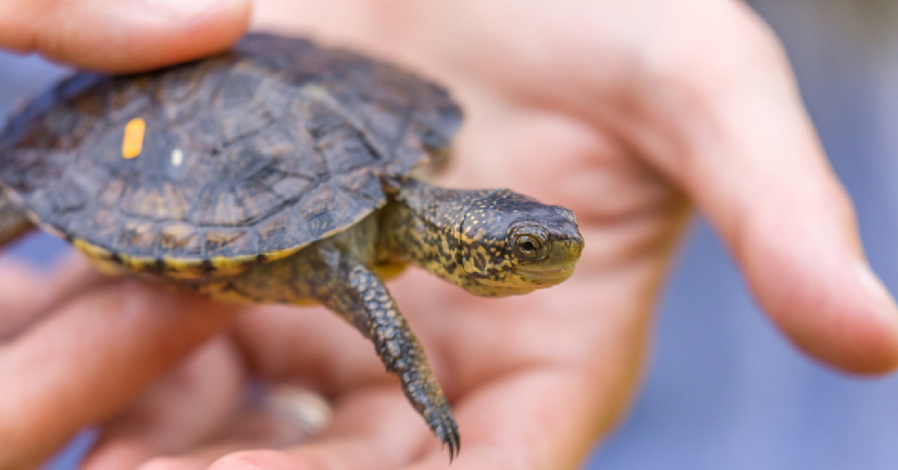
Northwestern pond turtles are among the endangered species found in Southwest Washington. (The Columbian files)

A proposed change to the Endangered Species Act has local environmental groups worried.

The U.S. Fish & Wildlife Service and National Oceanic and Atmospheric Administration are looking to repeal the definition of the word “harm,” which specifies protections under the act. While it might seem like a minor change, opponents say it will put habitat critical to the survival of endangered and threatened species at risk.

“If you were to put it in human terms, it’s just like saying it’s OK if they take your house, your clothing, your food, your shelter, as long as they’re not eliminating you,” said Steve Manlow, executive director of the Lower Columbia Fish Recovery Board. “It’s kind of harder to survive without those basic things being met.”

The Trump administration wants to rescind the current definition, claiming the Fish & Wildlife Service’s interpretations have expanded beyond the Endangered Species Act’s reach. The current definition prohibits any activity that would “harass, harm, pursue, hunt, shoot, wound, kill, trap, capture or collect” an endangered species, including harm or damage to a species’ habitat. The Trump administration says the federal law prohibits only the capture or killing of wild animals.

Manlow said the fish recovery board’s goal is to recover salmon and steelhead populations to healthy and harvestable levels, and that the federal statute is crucial to those recovery efforts.

“Animals are no different; they just have different basic life needs,” he said. “When it comes to fish, you have got to have food, you have got to have cool water, you have to have gravel coming in and places for the juveniles to rear.”

Manlow said the federal government’s proposed change is an unprecedented and narrow interpretation of the Endangered Species Act, one that does not align with prior legal findings.

Among the more than 1,500 threatened or endangered species — including mammals, birds, plants, insects, amphibians and reptiles — on the federal list, an estimated 18 species can be found in Clark County.

Along with more commonly known species like coho, chinook and chum salmon and the northern spotted owl are lesser-known species, including the yellow-billed cuckoo and streaked horned lark (birds), the Nelson checker-mallow and golden paintbrush (plants), the northwestern pond turtle and Suckley’s cuckoo bumblebee.

While the bald eagle was removed from the federal list in 2007, the species remains protected under the Bald and Golden Eagle Protection Act and Migratory Bird Treaty Act.

Noah Greenwald, endangered species director for the Center for Biological Diversity, said the Endangered Species Act definition for harm dates back to the 1970s, when it was defined as habitat modification.

“It was further refined during the Reagan administration as significant habitat modification or degradation that leads to actual injury or death,” he said. “That’s the main way that the Endangered Species Act protects habitat for listed species is through that prohibition on take, including harm.”

Greenwald said his organization is working to notify its 1 million members and supporters about the proposed change and the 30-day comment period that ends May 19.

Miles Johnson, legal director for Columbia Riverkeeper, said the rule change contradicts the law enacted by Congress.

“The push in these regulations is to strip out protections for the habitat of endangered species,” Johnson said. “And that is deeply problematic, because endangered species need habitat. It’s also problematic because it’s clear in the statute that Congress, when they were writing the Endangered Species Act, they understood that habitat protection and the restoration of habitat was, in a lot of cases, what these endangered species needed in order to survive.”

As a nonprofit environmental group based in Portland and Hood River, Ore., Columbia Riverkeeper works to protect and restore water quality in the Columbia River and ensure that environmental laws are followed. Johnson said the proposed change would undermine the “monumental work” that it, other groups, states and tribes have done to protect and restore salmon and steelhead habitat throughout the Pacific Northwest.

“Loosening regulations such that people might feel emboldened to run a bulldozer through a salmon stream and create a little pond or dam, or put in a culvert that’s not going to allow fish passage or something like that, that’s an issue,” Johnson said. “As the law currently is, it’s pretty darn clear that you can’t do that.”

Shari Phiel: 360-562-6317; [email protected]; @Shari_Phiel