Camas-Washougal logo tag

Vancouver Clinic program aims to boost screening for lung cancer

If caught early, disease can be cured at rate greater than 90%

By
timestamp icon
category icon Health, Life, Wellness

Lung cancer is the leading cause of cancer-related deaths in the United States but the most detectable through early screening. Still, lung cancer screening rates remain low. Vancouver Clinic is working to change that.

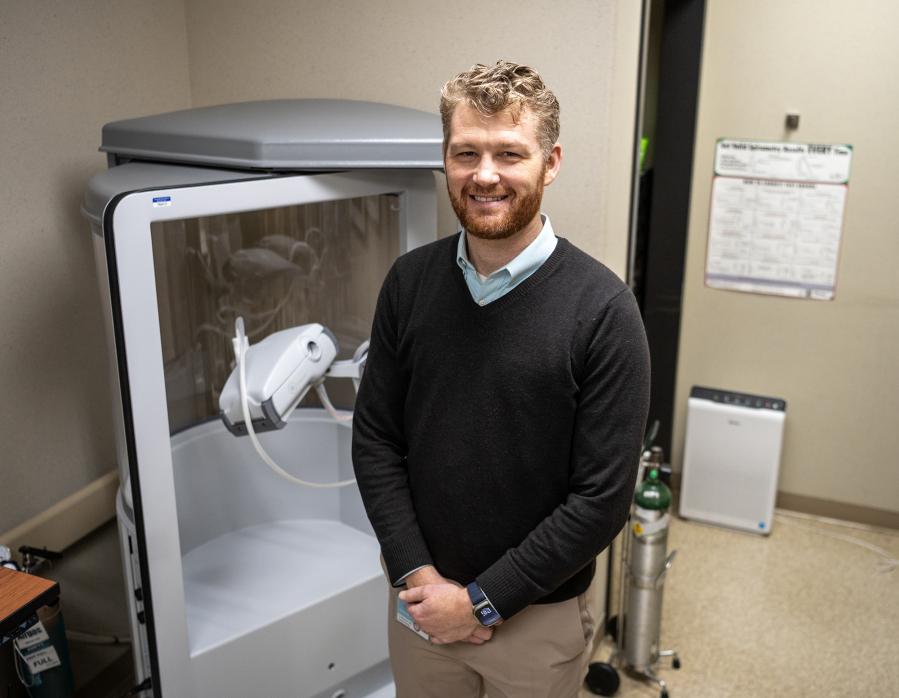
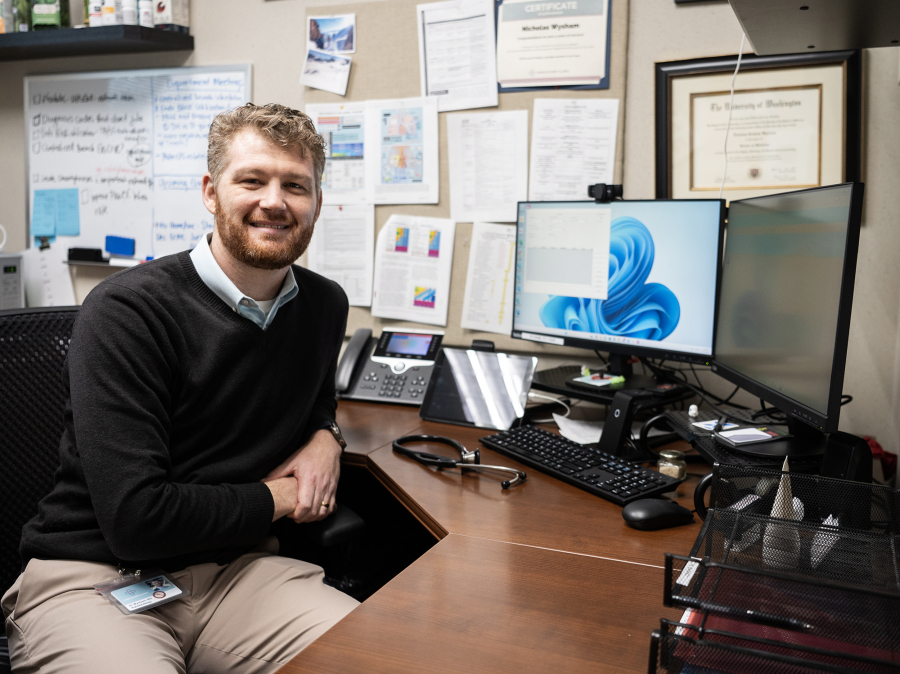
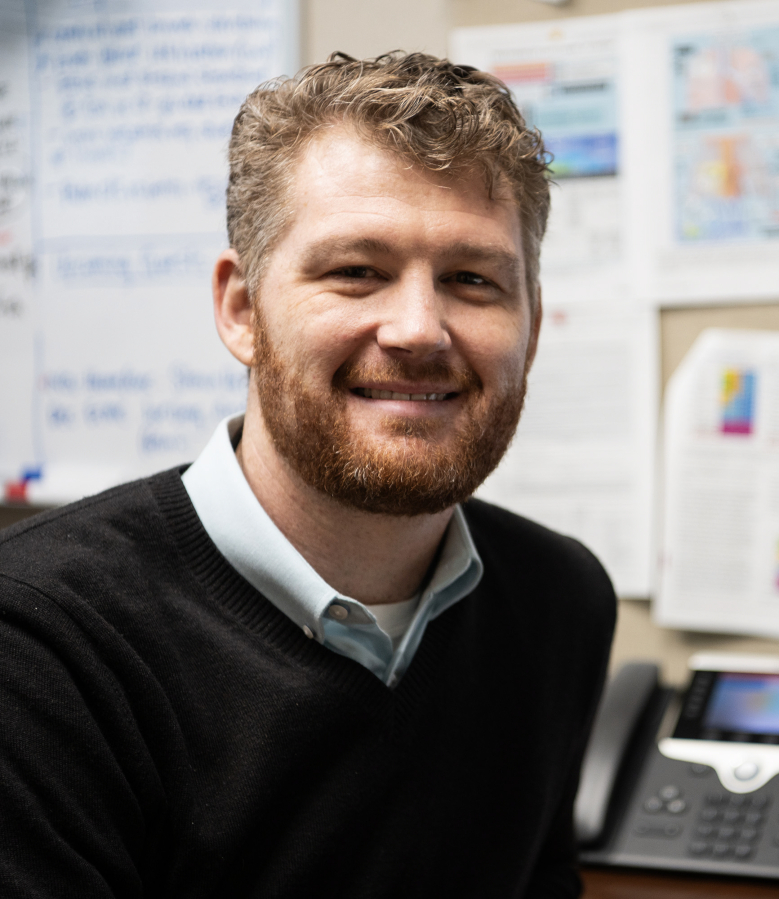
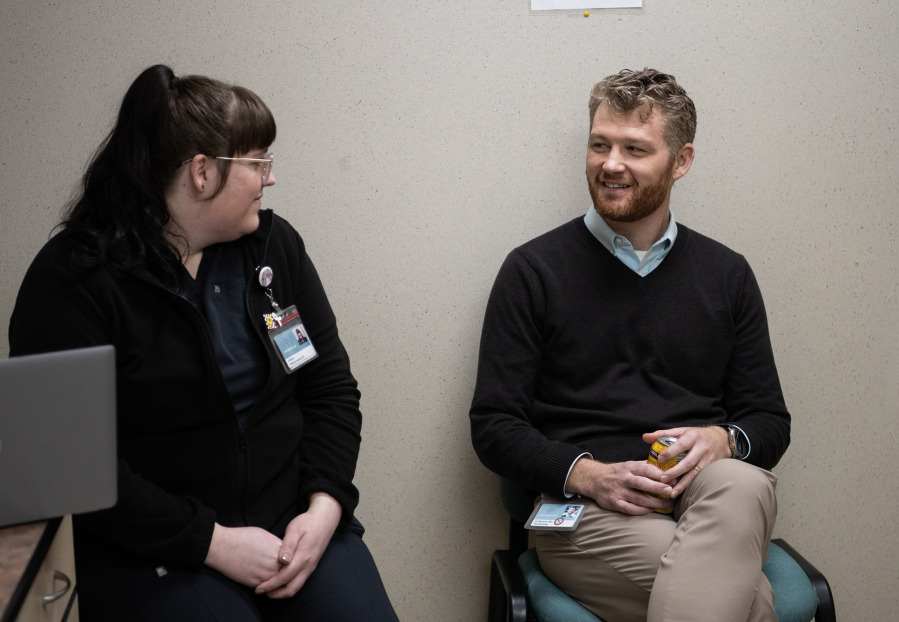
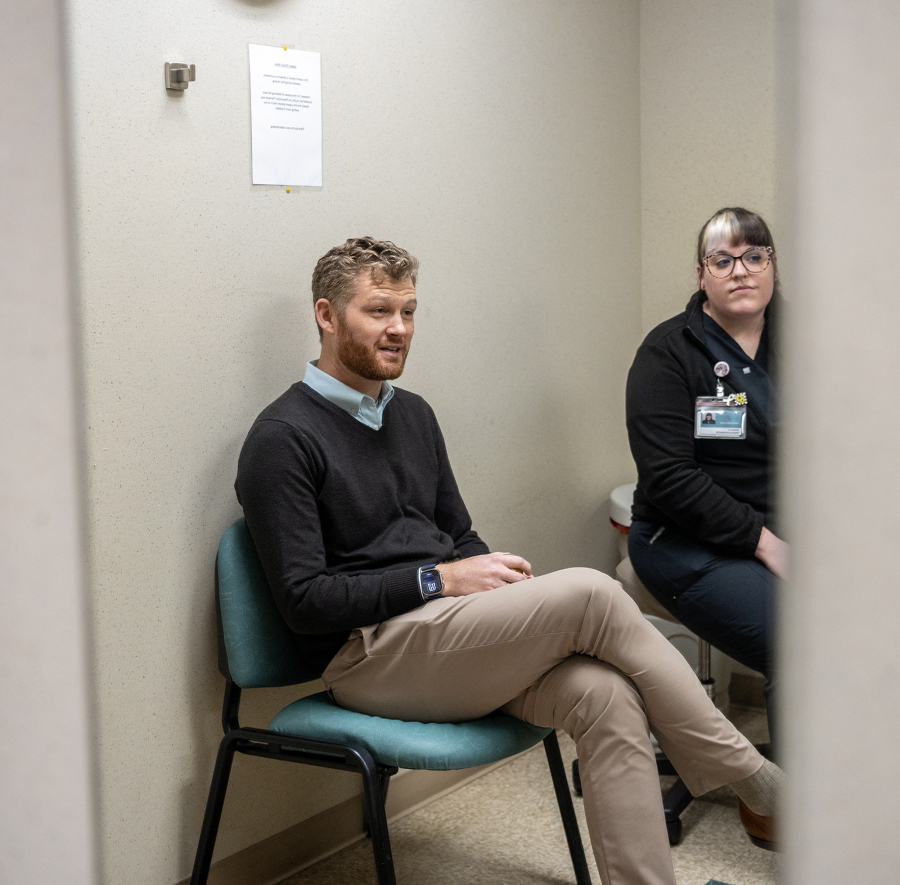
November is lung cancer awareness month. Dr. Nicholas Wysham, a pulmonologist at Vancouver Clinic, said he believes that patients don’t get screened due to the misinformation surrounding lung cancer.

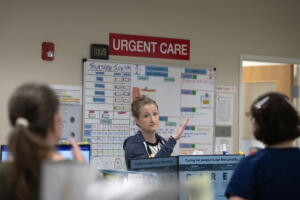
“A lot of people think that just because they feel good, they don’t have any symptoms or they quit smoking a long time ago, they don’t need to be screened,” Wysham said.

However, by the time symptoms appear, it’s too late in most cases, Wysham said.

If caught early, lung cancer can be cured at a rate greater than 90 percent, Wysham said. Lung cancer screening is more effective than breast and prostate cancer screening. With lung cancer, you need to scan 300 people before you save a life, whereas with breast and prostate cancer, you need to screen thousands of patients before you save a life, Wysham said.

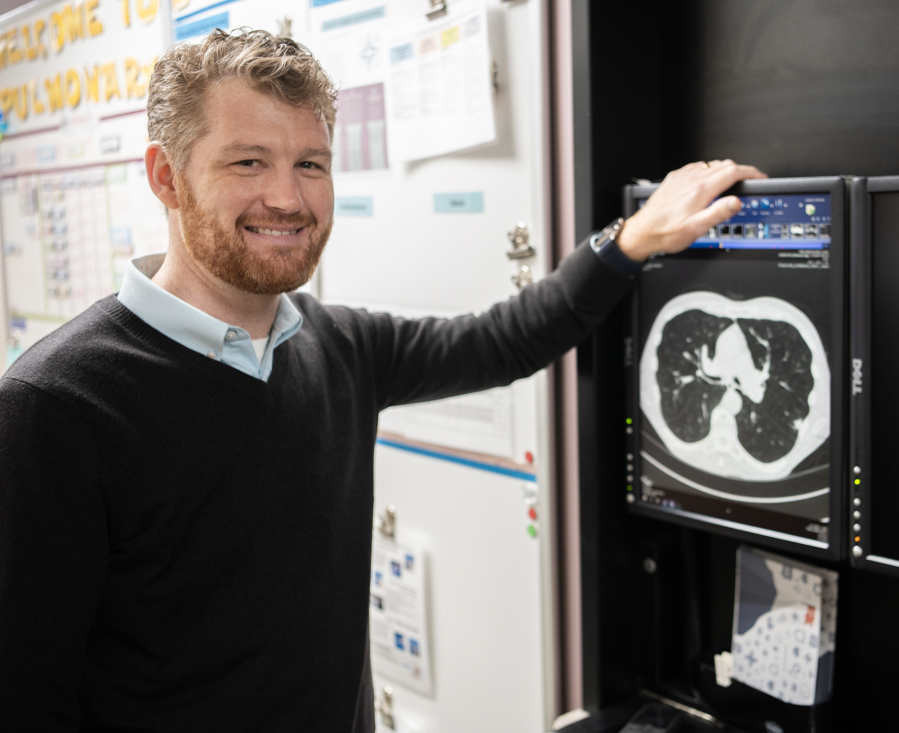
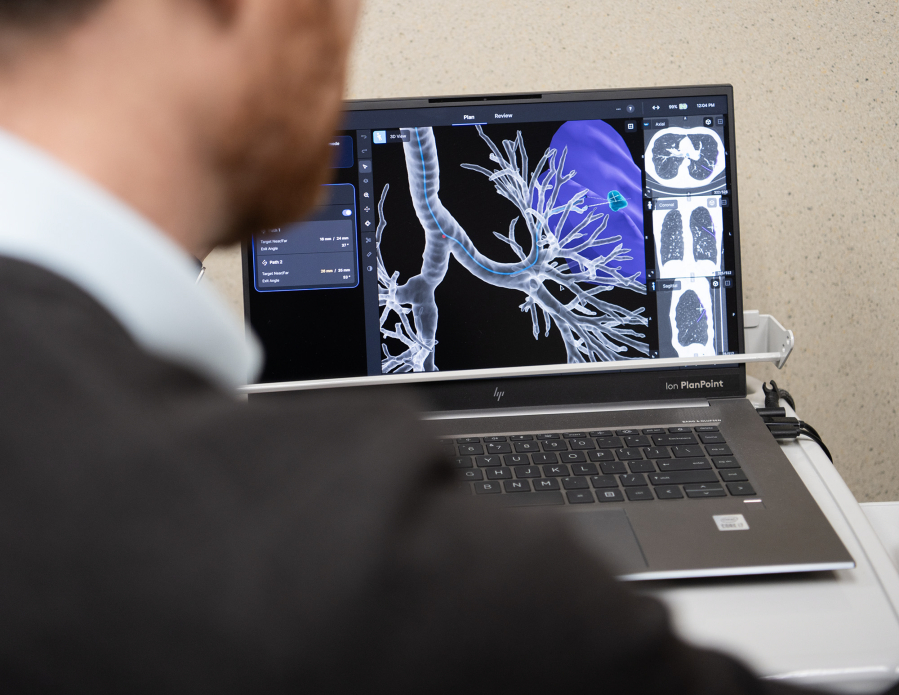
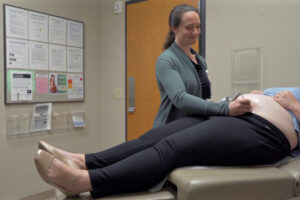
The screening is conducted through a low-dose CT scan, which is covered by most insurance.

People are eligible for the program if they are age 50 to 80 or 50 to 77 if they are on Medicare, currently smoking or quit smoking within the past 15 years and smoked longer than 25 years.

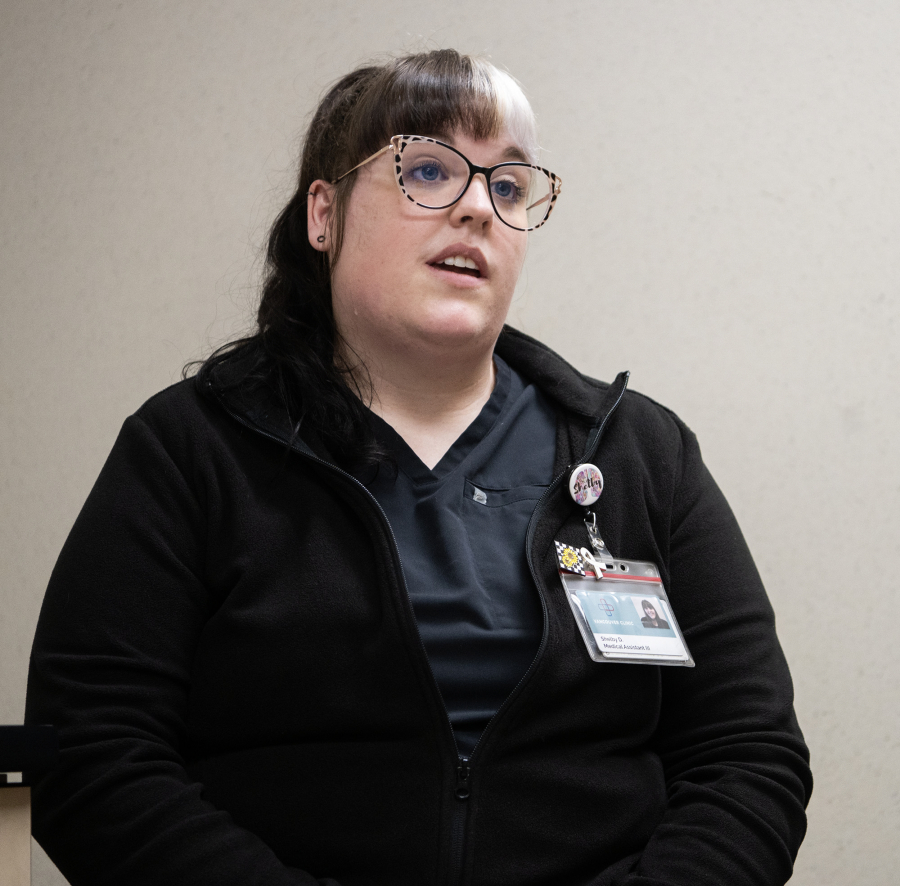
“This means two packs a day for 10 years or a pack a day for 20 years or more,” said Shelby De La Cruz, program coordinator.

She said you don’t have to be a Vancouver Clinic patient to be eligible for the program.

There are 3,762 patients enrolled in the program who receive annual screenings, and so far, the team has identified 151 cancers in the early stages.

The hardest part of the program for De La Cruz is getting patients to return every year, she said.

“You may get a stable result the first time and the second time, and then you’re like, ‘I don’t need it,’ ” De La Cruz said.

All too often, De La Cruz and Wysham see cancer detected after the third or fourth screening, they said.

“Where you’ve saved lives in lung cancer screening is the nodules that you find on years two, three and four, and then you can look back and say, ‘Oh yeah, there was a little something.’ There may have only been 5 or 6 millimeters, but give it a year, now it’s approaching a centimeter,” Wysham said.

Jane Seidel, 77, is a patient in the program. Seidel, a survivor of non-Hodgkin lymphoma and a smoker for about 30 years, was referred to the program in 2023 at 75 years old.

Seidel had quit smoking longer ago than the cutoff for the program’s eligibility, but due to her past medical history, she was approved for a screening.

On the first screening, the radiologist found a small nodule in her right lung, the same lung her sister and father had lung cancer in at the same age. Originally, her radiologist said the nodule was too small to be concerned about, but her pulmonologist expressed concern and referred her to a surgeon.

For Seidel, it was “a game changer” that the nodule was detected early and operated on.

“My sister and my dad, their tumors were much larger than mine at the time they were discovered, so I was even more lucky. It just felt like this sort of free falling blessing,” Seidel said.


About the project: This story was made possible by Community Funded Journalism, a project from The Columbian and the Local Media Foundation that is funded by community member donations. The Columbian controls all content. For more information, visit columbian.com/cfj.