Camas-Washougal logo tag

Clark County police, fire officials taking high fuel prices in stride

Vancouver, county are not curtailing services – for now

By
timestamp icon
category icon Clark County, Government, News, Public Safety, Washougal
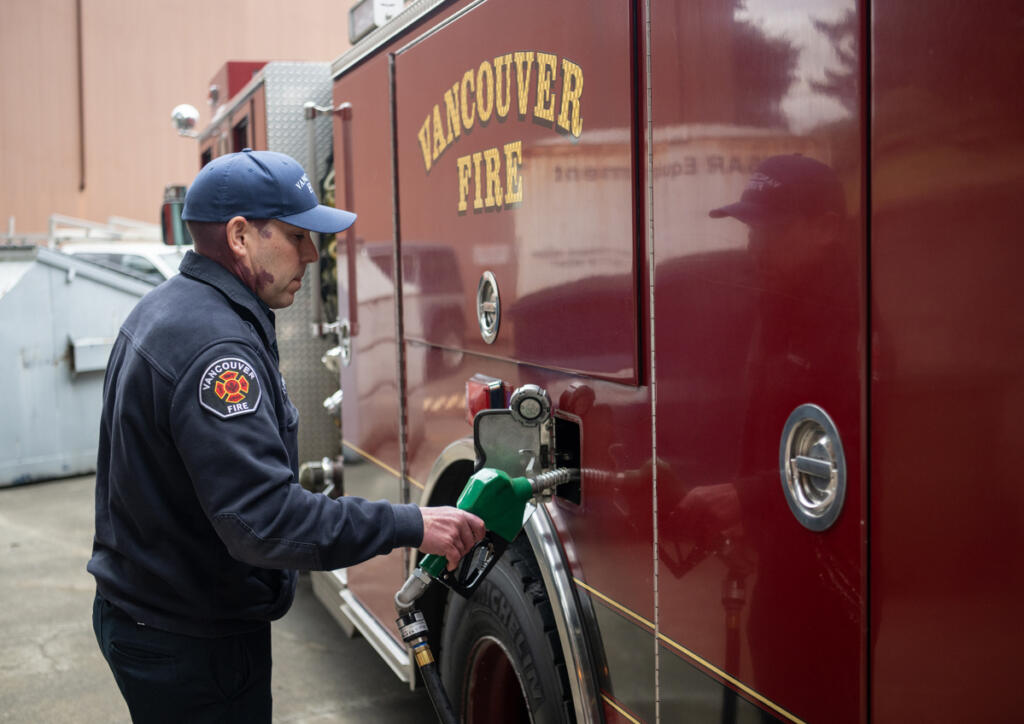
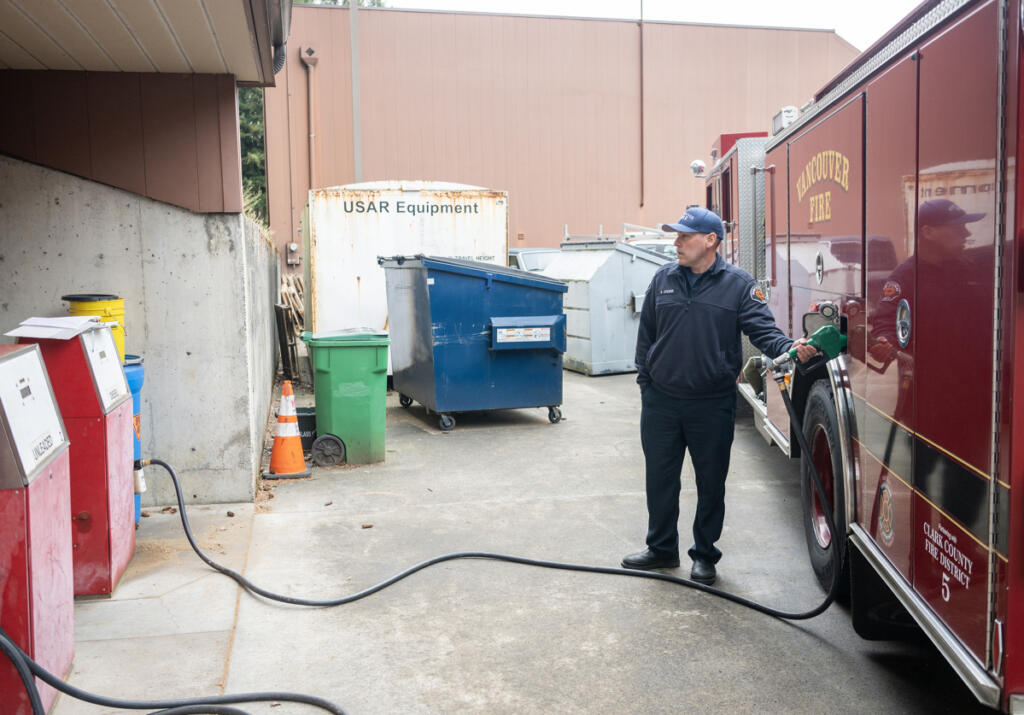
Skyrocketing fuel prices won’t keep police cruisers and fire engines from responding to emergencies.

But a prolonged gas crisis could require cutting back on nonemergency services, officials for the city of Vancouver and the Clark County Sheriff’s Office said.


“When we budget, we plan for fluctuations in fuel cost,” Vancouver city spokesperson Laura Shepard said. “We are not pulling back from critical services, and there are no major changes for first responders.”

Clark County sheriff’s Sgt. Matt Volker also confirmed the agency has not made any adjustments to its operations related to recent fuel price increases.

The surge in gas and diesel prices worldwide is a consequence of the ongoing war with Iran resulting in the closure of the Strait of Hormuz, a critical waterway that facilitates the transport of 20 million barrels of oil per day or roughly 20 percent of the global supply. Although Iran late this week declared the strait open, gas prices are unlikely to recover soon.

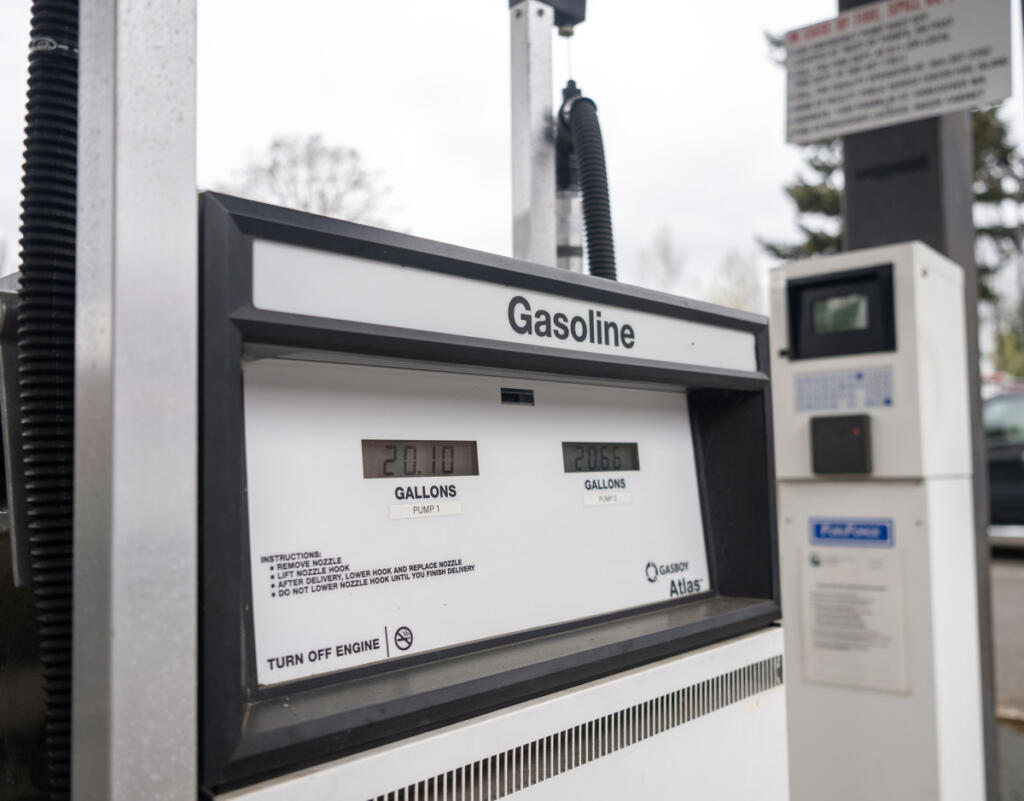
National fuel costs have climbed to an average of $4.17 per gallon, marking the most significant surge since 2022, according to the American Automobile Association. In Washington, it has reached a peak average of $5.40 per gallon.

In 2025, the city of Vancouver spent $24,815 over its budgeted $345,275 for fuel for fire services. But it was nearly $145,000 under the budgeted $798,716 for fuel for police services, Shepard said in an email. For this year, the city budgeted $355,275 for fuel for fire services and so far has spent $92,695, while it budgeted $821,116 for fuel for police services and has spent $177,550.

The city of Vancouver currently absorbs price spikes through a combination of bulk storage and a diversified fleet. Shepard said about 35 percent of the municipal fleet is electric, hybrid or runs on alternative fuels. These cars are mainly used by code compliance and administrators.

“Fuel price fluctuations are part of our budget process,” Shepard said. “We also have bulk fuel storage tanks, allowing us to purchase fuel in advance and potentially lock in a lower cost.”

Frontline law enforcement vehicles, such as the Ford Police Interceptor Utility, average roughly 17 miles per gallon and burn additional fuel while idling. These heavy-duty trucks and cruisers remain tied to traditional fossil fuels, which Shepard noted are refilled “almost weekly” during peak demand.

The city’s bulk fuel reserves have helped keep things stable — for now.

But the city’s fire trucks, powered by heavy diesel engines, and some of the police vehicles cannot pivot to the city’s electric vehicle alternatives, leaving the most critical life-saving tools dependent on a shrinking fuel supply.

The Vancouver Fire Department serves more than 294,000 people across 90 square miles, responding to about 40,000 calls annually.

Heavy fire engines average just 3 to 8 miles per gallon, meaning a single fill-up of a standard 50-gallon diesel tank now costs the city well over $300.

“As of now, this is not having a significantly negative impact on our emergency response or training budgets,” said Tom O’Connor, special operations chief with Vancouver Fire. “That being said, if high fuel costs continue for months and months, at some point we will need to consider restricting fuel use for discretionary activities. There are no formal conversations yet, though I’m sure there will be.”

These discretionary activities include such vital long-term safety measures as training drills, community safety inspections and home fire-code checks.

The financial pressure is also mounting for Clark County, which currently operates on a $2.12 million fuel budget, said Tyler Bennett, the county’s fleet services manager.

Bennett echoed the city of Vancouver’s strategy of planning for price swings, but he noted the sheer scale of the current spike.

“Current market conditions have not aligned with what might have been anticipated given current global events,” Bennett said. “Currently, these numbers are 26 percent higher than expected for our unleaded gasoline.”

Bennett said the county has deployed several more fuel-efficient vehicles this year with the expectation they will help reduce overall fuel consumption, but the full impact of these improvements will not be known until the end of the fiscal year.

“Our fuel budgets include a contingency to address potential cost fluctuations,” Bennett said. “Should those contingency funds be fully utilized, we have several methodologies in place to ensure consistent fuel access for our first responder and public safety vehicles.”