Camas-Washougal logo tag

Washougal resident continues effort to slow traffic on W Street

Installation of two speed cushions hasn’t solved problem, Tim Taylor says

By
timestamp icon
category icon News, Washougal

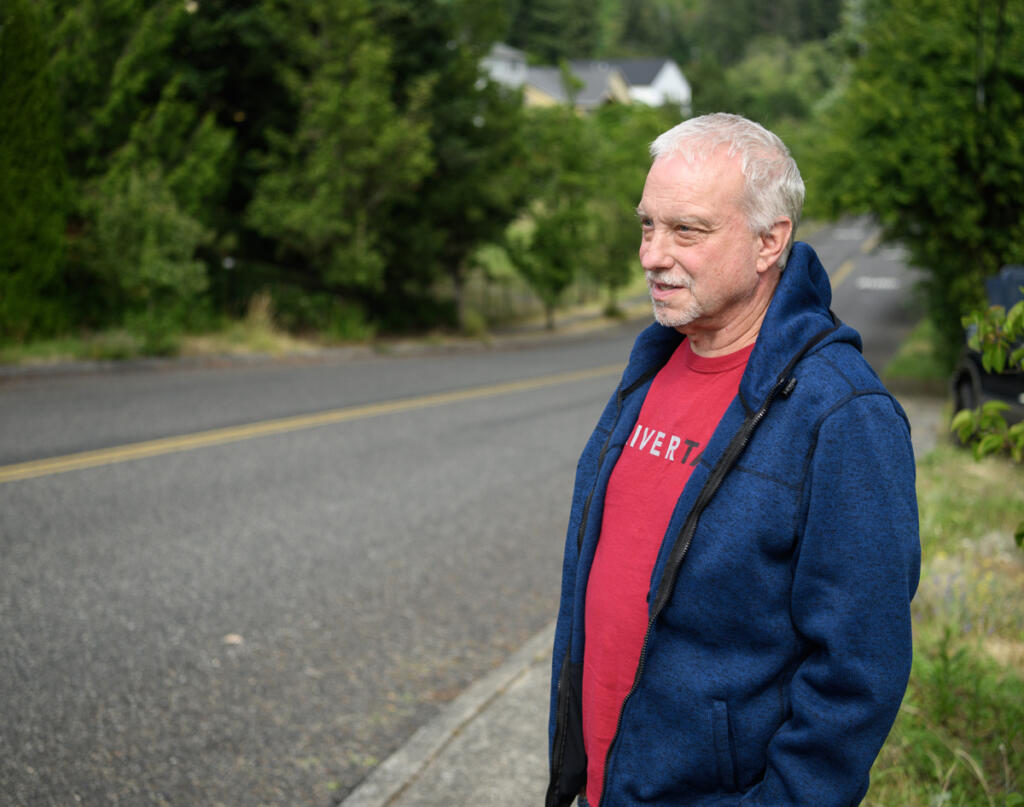
Tim Taylor has pressed a rotating cast of Washougal officials since 2021 to address his concerns about speeding cars on W Street near his house.

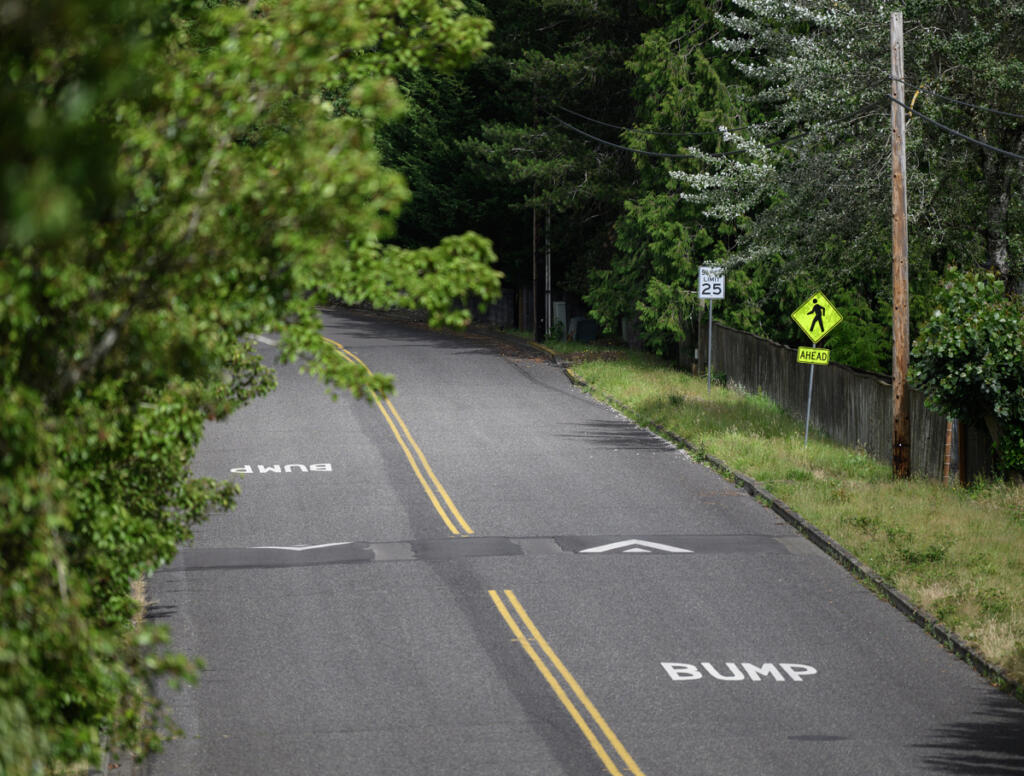
Although the city installed speed cushions in 2024, Taylor believes that’s not enough.

“You can definitely see a situation in which somebody could have something happen to them,” he said.

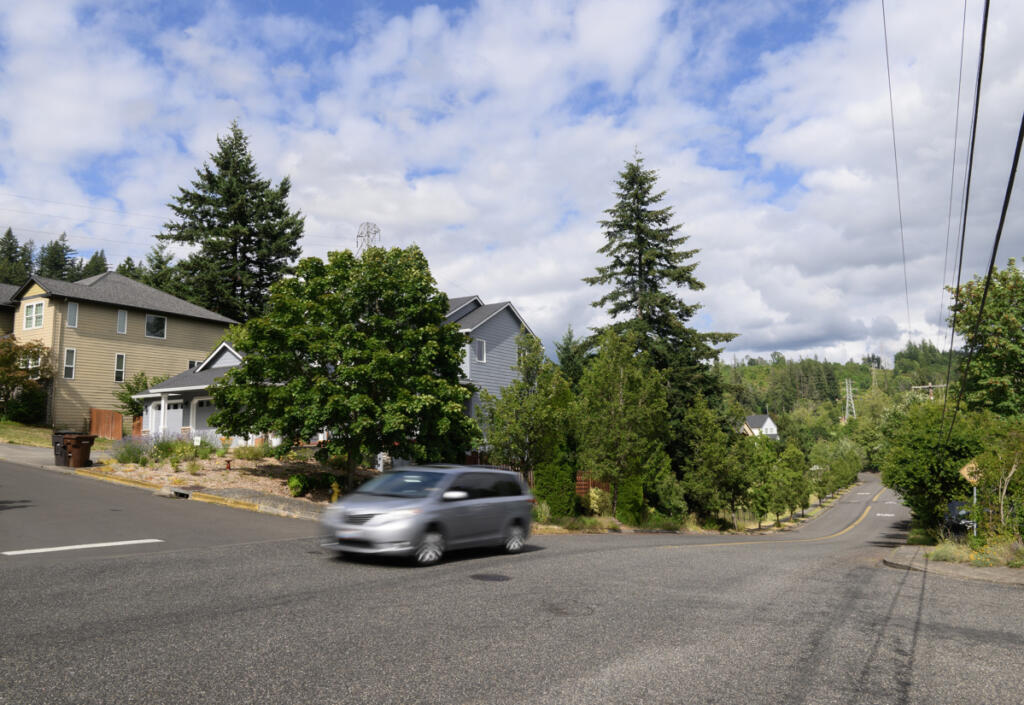
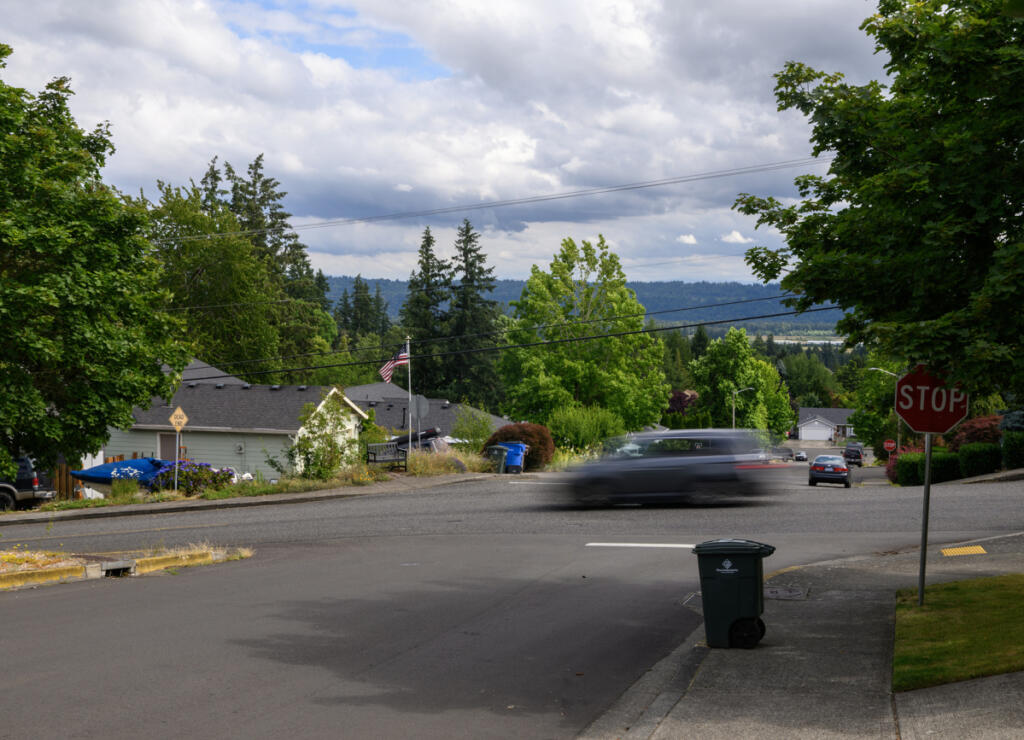
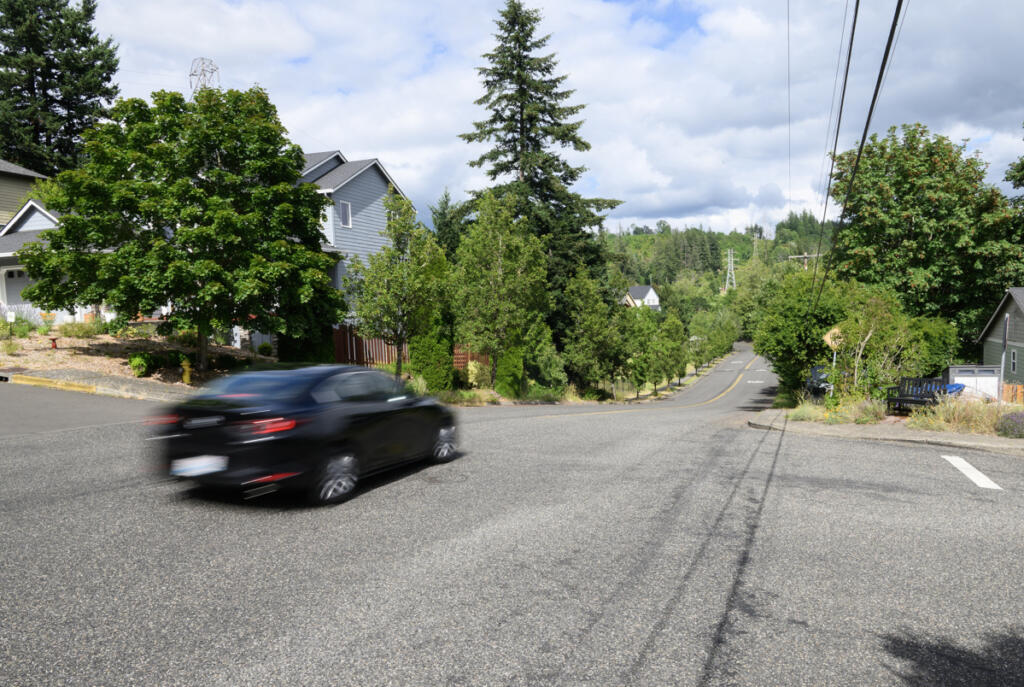
He said cars routinely exceed the 25-mph speed limit on a long stretch between the two speed cushions and fly over the hill near his home. Taylor worries that it’s only a matter of time before someone is seriously hurt, given the combination of cut-through traffic, poor visibility at the nearby intersection and his disabled daughter’s tendency to suddenly run into the street.

City officials maintain they have done what’s necessary.

“The city recognizes that residents have a strong interest in the safety and livability of their neighborhoods,” Washougal officials said in a written statement in response to The Camas-Washougal Post-Record’s inquiries. “The city’s role is to evaluate concerns consistently across the community using established processes, engineering principles, and available data to determine where and when improvements are warranted.”

Taylor has lived on the southeast corner of 42nd and W streets since 1996. He said W Street once ended in gravel, but traffic increased dramatically after the nearby Columbia View subdivision was built.

As frustrated as Taylor is by the cars speeding past his house, he’s perhaps more frustrated by what he describes as years of poor communication and a lack of follow-through from city officials.

“I’m just amazed at the complacency of everybody in the city administration,” he said. “It’s like they don’t care, and they’re not going to respond or do anything about it. I told them, ‘I was in corporate America for 40 years. If I had not responded to emails and ignored things like (you do), I would have been fired.’”

He first contacted the city in 2021 to report speeding and increasing traffic. Then-city engineer Rob Charles responded quickly and told Taylor the city planned to study traffic and install traffic-calming measures in 2022. When nothing happened, Taylor learned Charles had left the city. Taylor was directed to Public Works Director Trevor Evers.

“He responded to me once or twice, and then every two months I would email him, but no response,” Taylor said.

Taylor exchanged emails with new city engineer Scott Collins throughout early 2024 over the number and placement of speed cushions. Collins initially proposed one cushion, but after Taylor objected and Collins conducted additional speed studies, Collins agreed to install a second near the base of the hill.

City officials said they “reviewed available traffic information, conducted speed studies, and implemented traffic calming measures” in response to residents’ concerns.

In October 2024, Taylor reluctantly agreed to Collins’ preferred locations — one speed cushion near the Columbia View subdivision at the top of a hill and a second near the bottom, leaving roughly 900 to 1,000 feet of roadway between them.

“I finally kind of gave up and said, ‘Let’s see what happens, but they’re 900 feet apart, and people are just going to continue to speed through them,’” Taylor said. “And that’s exactly what has happened.”

Taylor also challenged the radar studies on which Collins relied. Taylor argued that the equipment was placed too far from where drivers accelerate and produced misleading speed data.

The city said staff conducted two additional speed studies in July and August 2025 after the cushions were installed. According to the city, the data showed vehicle speeds were “within the thresholds established by the city’s traffic calming policies” and “no additional traffic calming measures were warranted at that time.”

Get the latest headlines in your email every week!

This field is for validation purposes and should be left unchanged.

After learning Collins also had left the city in fall 2025, Taylor enrolled in Washougal’s Citizen Academy in hopes of raising the issue directly with city leadership. He met with City Manager Dave Scott and provided documentation detailing years of correspondence with city staff.

The following week, Taylor pressed Evers during the citizen academy.

Taylor wants the city to install another traffic-calming device between Northwest 41st and Northwest 42nd streets to break up the long stretch where drivers speed. He said he has no intention of dropping the issue.

According to Washougal’s statement, the city might reevaluate the corridor next summer under its adopted traffic-calming policies and engineering standards. Officials said any future decisions about additional improvements will be based on traffic speeds, traffic volumes, crash history, roadway conditions and other relevant safety considerations.

“They’re just kind of hoping I’ll go away,” Taylor said. “But I’m not that person right now.”