Camas-Washougal logo tag

Pet insurance growing priority

look to keep veterinary care affordable with pet insurance Owners have several options to help keep pets healthyMore Clark County pet parents buy policies as costs of care increase

timestamp icon
category icon Clark County, Health, News
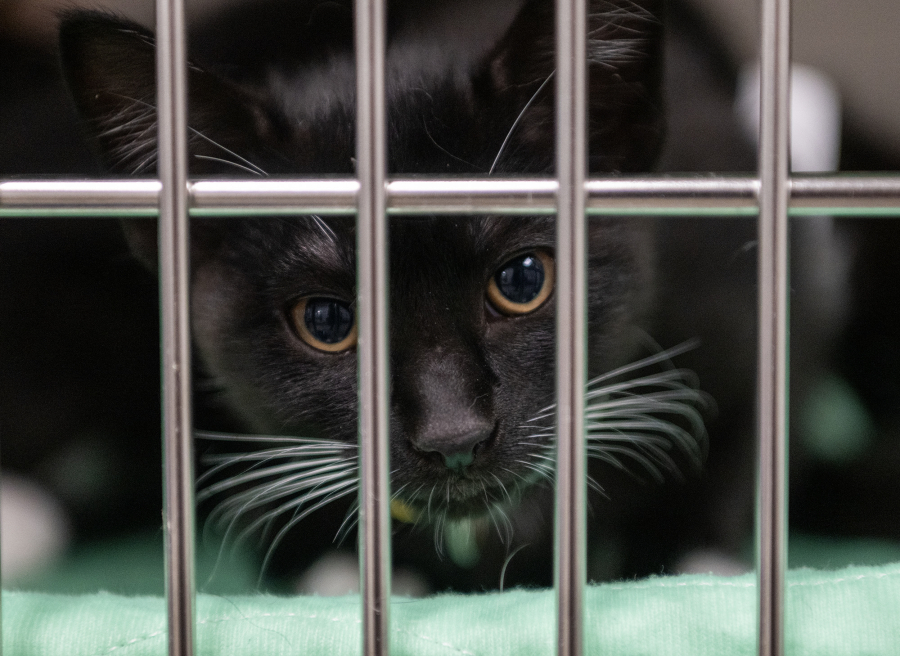
A cat peers out from a cage Wednesday at the Humane Society for Southwest Washington Community Veterinary Clinic. (Taylor Balkom/The Columbian)

With the rising cost of veterinary care squeezing already pinched household budgets, Clark County residents are increasingly signing up for pet insurance.

Rover, a Seattle-based online marketplace for pet care, releases a True Cost of Pet Parenthood report annually. In 2025, owners spent 11 percent more on veterinary fees as service providers raised prices, according to the report.


Nearly 48 percent of pet owners surveyed were concerned about the rising cost of pet care over their pet’s lifetime and 52 percent said tariffs would further increase the cost.

Higher wages for veterinarians, technicians, assistants and support staff, as well as increased costs for medical supplies, are driving up the overall cost of pet care, said Justin Pepperling, vice president of veterinary services at the Humane Society for Southwest Washington Community Veterinary Clinic in Hazel Dell.

Audrey Brouwer, a personal insurance adviser with Vancouver-based Davidson & Associates, knows what it’s like to experience the sticker shock that comes with vet bills. When she got her miniature schnauzer at 8 weeks old, he was a healthy puppy.

A year and half later, Brouwer discovered her dog had a seizure disorder that required intensive veterinary care. She said she was billed for thousands of dollars, but her insurance covered a good portion of the cost.

“You pay the bill because you love your pet,” Brouwer said.

Her colleague at Davidson & Associates, Anna Miller, specializes in pet insurance. Miller said most who choose pet insurance with the agency do so to help bear the burden of an unexpected or costly vet bill.

The agency partners with Safeco Insurance to offer plans with accident coverage, illness protection and three options for preventative care.

“When a pet parent receives a large vet bill, there’s the component of emotional distress,” Miller said. “For example, if your dog has to have emergency surgery because of an injury, you’re not only going to be stressed about the well-being of your dog, but when you factor in the financial stress, it really quickly becomes an overbearing situation. Being able to take the financial aspect out of an already stressful situation I think is really priceless for a lot of people.”

Typically, pet insurance doesn’t cover preexisting conditions and works on a reimbursement-based system, meaning pet owners pay a vet bill upfront, submit a claim and then are reimbursed.

A growing industry

The pet health insurance sector more than doubled over the past three years and the number of pets insured has surged, according to the North American Pet Health Insurance Association.

In 2020, 2.5 million dogs and 531,000 cats were covered; by 2024, that rose to 4.9 million dogs and 1.5 million cats — a 96 percent increase for dogs and a 182 percent increase for cats, according to data from the North American Pet Health Insurance Association.

The annual cost of pet insurance for dogs and cat differs based on the pet’s stage of life, according to Rover’s report. Premiums for cats range from $265 to $1,210 annually. Premiums for dogs range from $270 to $4,595 annually.

For cats, annual medical and dental bills can range from $140 to $1,655. For dogs, it can range from $140 to $1,750, according to Rover.

Brouwer believes the increase in pet-insurance enrollment is due to more awareness of the products that are out there and word of mouth.

“Pet parents talk to pet parents,” Brouwer said. “My neighbor got a puppy about a year after mine, as well as another one. They got pet insurance because they listened to me and knew (about my dog’s) story.”

At the Humane Society for Southwest Washington, a pet insurance representative offers details about plans when people adopt pets, spokesperson Sam Ellingson said.

Other options

For pet owners who may not be able to afford the monthly payment, low-cost, subsidized veterinary care for pets is offered for income-qualifying families across Clark, Cowlitz and Skamania counties at the Nierenberg Community Veterinary Clinic at 10501 N.E. Highway 99, Suite 31.

Pet owners who are low-income or receive government support — including free and reduced-price school lunches, Medicaid, Section 8 housing, Apple Health and Supplemental Nutrition Assistance Program benefits — qualify for care.

Services provided include wellness exams, preventive care, vaccinations and spay and neuter services.

Expanding access to low-cost pet care is an ongoing discussion within the veterinary industry.

“Pet care has become unaffordable for a lot of pet owners, so for folks who are income qualified, we’re here to provide another option and ensure that these pets are getting care,” Pepperling said.

Kimberly Cortez: 360-735-4522; [email protected]

About the project: This story was made possible by Community Funded Journalism, a project from The Columbian and the Local Media Foundation that is funded by community member donations. The Columbian controls all content. For more information, visit columbian.com/cfj.