Camas-Washougal logo tag

Clark County Telehealth Services: Virtual services translate to real care

Patients appreciate telehealth for its convenience, cost

By
timestamp icon
category icon Business, Clark County, Health,
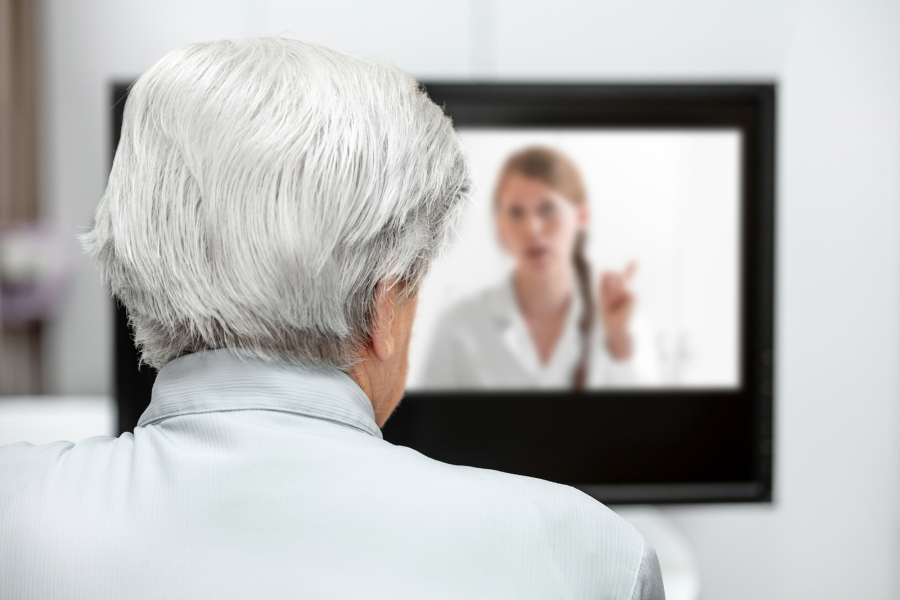
During the early months of the pandemic, telehealth visits for care exploded. (Dreamstime/TNS)

Telehealth services peaked during the COVID-19 pandemic when health care providers needed to continue care safely. Many local providers say they are still utilizing a variety of virtual services to increase accessibility for patients.

Twenty-five percent of Medicare users accessed a telehealth service in 2024 compared with 48 percent in 2020, according to the most recent telehealth data from the U.S. Department of Health and Human Services.


As the pandemic waned, people wanted to return to the in-person care model. Dr. Kameron Ferdowsali, division chief of medical specialties for PeaceHealth Southwest Medical Center in Vancouver, said telehealth services have plateaued since the pandemic.

However, he said many patients enjoy the flexibility that virtual options provide, saving them time, energy and, most importantly, gas money.

“Some people love having access at home,” Ferdowsali said.

Ed Kauffman, a specialized nurse practitioner and owner of Vancouver Direct Primary Care, began his private health care practice in 2021. Similar to Ferdowsali, he said his goal is to provide care to patients in the best way he can, and that means meeting them where they are.

He said he’s noticed his patients especially appreciate the convenience of secure messaging that’s compliant with the Health Insurance Portability and Accountability Act, or HIPAA. Rather than having to call or schedule a visit, patients can message him with any concerns or questions.

Kauffman’s private practices uses a cash-pay model instead of insurance to cover operational costs, so he sought low-cost telehealth software. He pays $50 a month for Spruce, a health care communication service that enables his patients to message him.

“If my goal is to help my patients change their lives, them having to take two hours out of their vacation time to come see me is not going to help,” Kauffman said. “How do I set this up so that they can have a higher quality of life and not come at an expense? I think telemedicine really helps.”

Dr. Sasha Mallett, a virtual primary care physician for Kaiser Permanente Northwest, said telehealth services are also cost effective for nonprofit health care organizations that use private health insurers for billing.

“Because of our reimbursement model within Kaiser, we’re in a kind of a health maintenance organization system, there’s a cost incentive to keep people healthy,” Mallett said. “Unlike the fee-for-service world, if we provide care that is lower cost, like virtual services, as opposed to bringing people in, which is more expensive, it actually, overall keeps costs down.”

Get the latest headlines in your email every week!

This field is for validation purposes and should be left unchanged.

Virtual services do not mean a compromise in the quality of health care, Ferdowsali said. At the rate medical technology is advancing, virtual intensive care units and other highly sought-after medical care are becoming increasingly available through a screen, which increases access for rural communities, he said.

“We’ve done some studies already kind of comparing the two, and really there is no lower level of care with one versus the other,” Ferdowsali said.

Chris Webberley, co-owner and chief operating officer of Real Life Counseling in Vancouver, said there are advantages for psychiatry and mental health care as well. While he’s seen more people opt for in-person visits, telehealth offers the same flexibility and cost-effectiveness for patients seeking hospital or primary care, including rural patients, he said.

“Access to care is probably the biggest benefit,” Webberley said. “People who may have transportation struggles, people who may have scheduling conflicts, parents who may not be able to leave small children, it’s really created much more access to care.”

For Mallett, it all comes down to patient need.

“It’s not a care model that works for every single person,” Mallett said. “There’s, I think, a subset of people who obviously want to be able to go into their doctor’s office and see the whites of their doctor’s eyes. But I think for other people, they have much better access to me (virtually).”