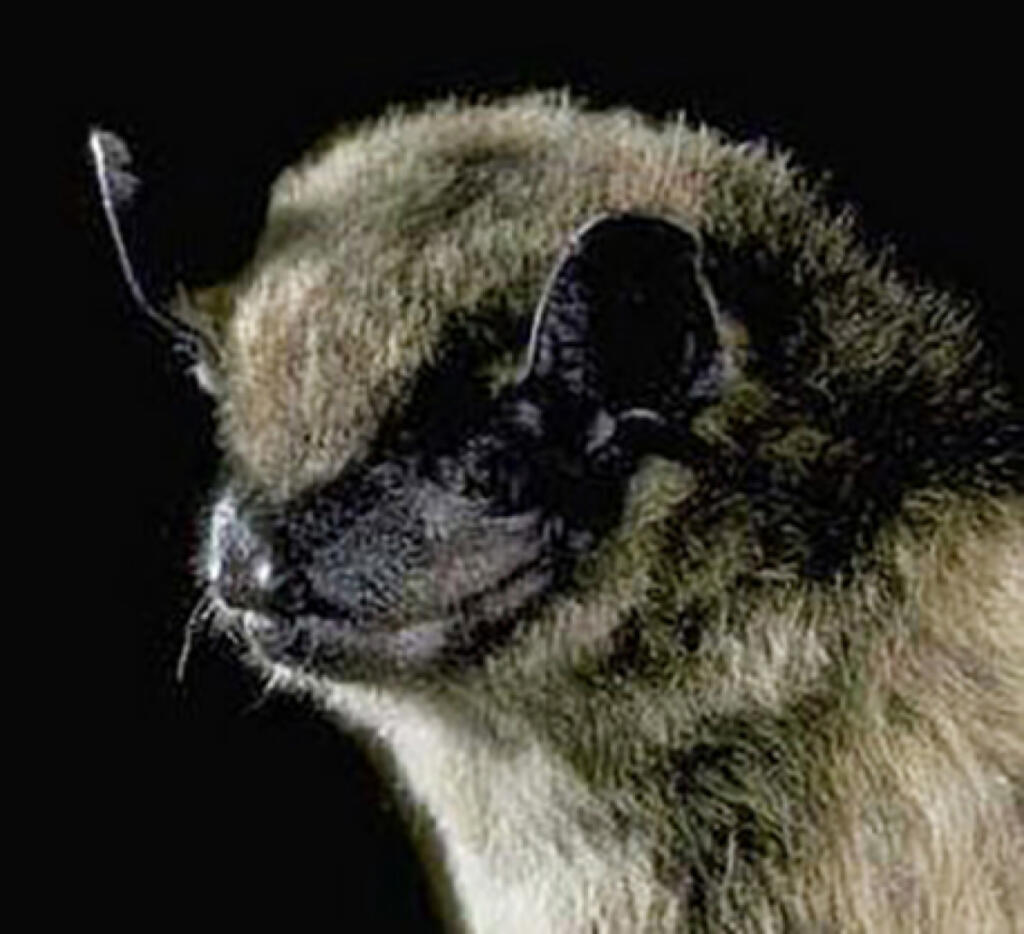
For most of us, the long days of summer mean enjoying more sunshine than we can in winter. The same goes for bats, who use the critical time to build up the thick layers of body fat they need to survive winter hibernation.
While the flying mammals may be fascinating to observe, local health officials warn residents to avoid touching bats because they can carry the fatal viral disease rabies.
Clark County Public Health Director Dr. Alan Melnick said during a Board of Health meeting Wednesday that while not all bats carry the disease, people should assume they do and be cautious if near one.
“You can get exposed if you’re bitten or scratched by a bat,” Melnick said. “Bare skin contact with an infected bat or its saliva, it’s possible to get infected. If you’re unsure if you’ve been exposed to a bat, you need to call us and we can help determine, along with the bat testing, whether you might need post-exposure prophylaxis in vaccination.”
Three bats have tested positive for rabies in Washington this year, none in Clark County, according to the Washington State Department of Health.