Camas-Washougal logo tag

‘Incredible potential to bolster our local economy’: I-5 Bridge program expected to create thousands of jobs

Agencies help contractors, workers prepare to take part in project

By
timestamp icon
category icon Business, Clark County, Government, News
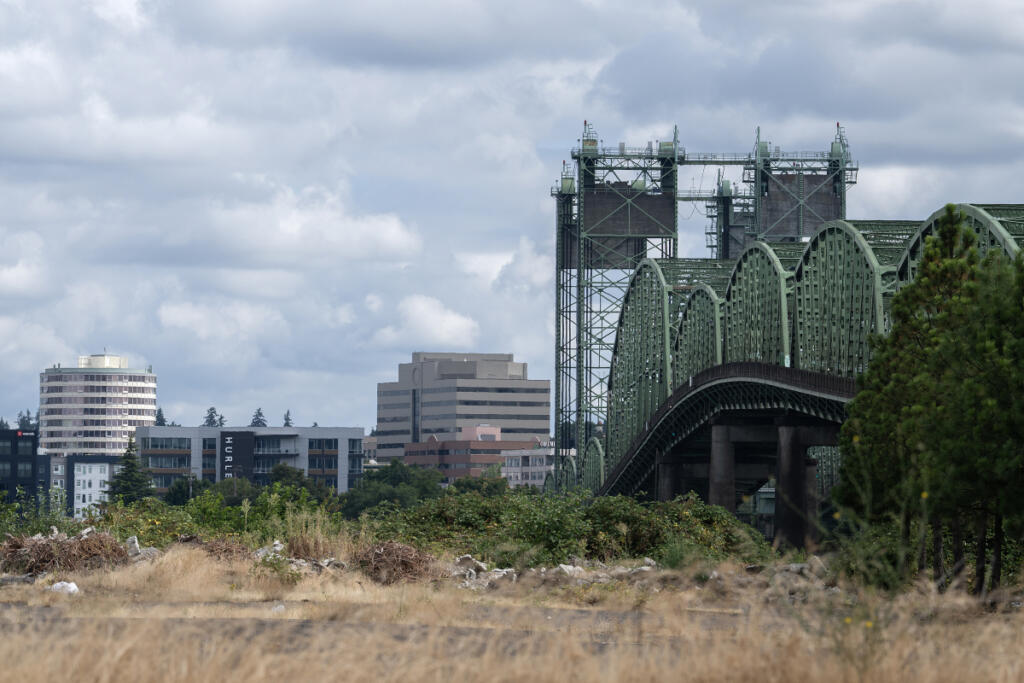
As the long-planned replacement of the Interstate 5 Bridge edges forward, project leaders have begun reaching out to companies interested in a piece of the action.

Experts say the estimated $14.4 billion project — among the most expensive infrastructure projects in Washington history — will provide a major boost to the region’s economy.


An economic analysis released by the Interstate Bridge Replacement Program in 2023 estimated the project would provide as many as 43,300 job-years across every industry. (A job-year represents one full-time job lasting for a year, so the total also accounts for individuals on the job for multiple years.)

Much of that economic impact likely will stay local, according to the analysis.

“Spending generated from infrastructure construction tends to stay within the local economy longer,” the report read.

The analysis expected the project would create or keep around 18,700 engineering and construction job-years throughout the life of the construction.

It also predicted the project would generate another 24,600 job-years for indirect roles — like firms providing raw materials and support services — and tertiary roles at places such as grocery stores and utilities.

The bridge project “has incredible potential to bolster our local economy,” said Jordan Boldt, president of the Columbia River Economic Development Council.

Some contractors will participate in building the bridge, but Boldt said a significant part of the project will be corridor improvements bringing new roads, interchanges and utilities.

“These projects will offer significant opportunities for our local businesses to find success, especially those that haven’t worked on public projects previously,” Boldt said.

The project could be a boon for the local construction workforce. And leaders in workforce development have been working for years to prepare the industry for just that.

The local APEX Accelerator program, run by the economic development council, helps small businesses compete for government contracts. It offers coaching, assistance, market research and reviews of bid solicitations.

The APEX program partnered with the Interstate Bridge Replacement Program twice for a Bridge Building Blocks Series, teaching businesses how to prepare for government contracting. The success of that series prompted a webinar version slated to run from July to September.

APEX also hosts “Meet the Contractor” events for contractors to network and prepare to be competitive bidders on the project.

Local or external?

The question remains whether the project will hire local or out-of-area construction crews. But workforce leaders say the area is prepared to provide the workers needed on the project.

Darcy Hoffman, interim chief executive officer at Workforce Southwest Washington, pointed to her organization’s pre-apprenticeship and apprenticeship programs providing construction training that could fill a significant need on a massive project like this.

Get the latest headlines in your email every week!

This field is for validation purposes and should be left unchanged.

“We’re ready to help supply them with workers when the time is right,” she said.

The organization also supports other construction workforce development, like high school trades programs and Dozer Day.

Liza Morehead, research and data analyst at Portland-based WorkSystems, suspects the regional economic impact of the bridge construction could depend on where the workers are coming from.

An influx of out-of-area workers could provide an initial boom for hotel rooms, apartment rents and food.

“But ultimately, most of that money would leave the area, because it would go with the workers,” Morehead said.

Hiring locally and bolstering worker development would potentially keep that money local in the long term.

Morehead also cautioned that a boom for tertiary businesses benefiting from construction workers’ presence might be outweighed by the access issues, real or perceived, frequently caused by construction.

Hoffman sees the bridge as an opportunity to create a more lasting economic impact on the community.

“If we do this right, it gives us the opportunity to build that workforce development machine that can create a strong workforce, strong businesses, strong contractors and hopefully a strong economy for a long time,” she said.