Camas-Washougal logo tag

‘It’s important to have that safety net’: WA Care long-term care benefits begin for those who are eligible

Program fills gap in long-term care

By
timestamp icon
category icon Clark County, Government, Health, News
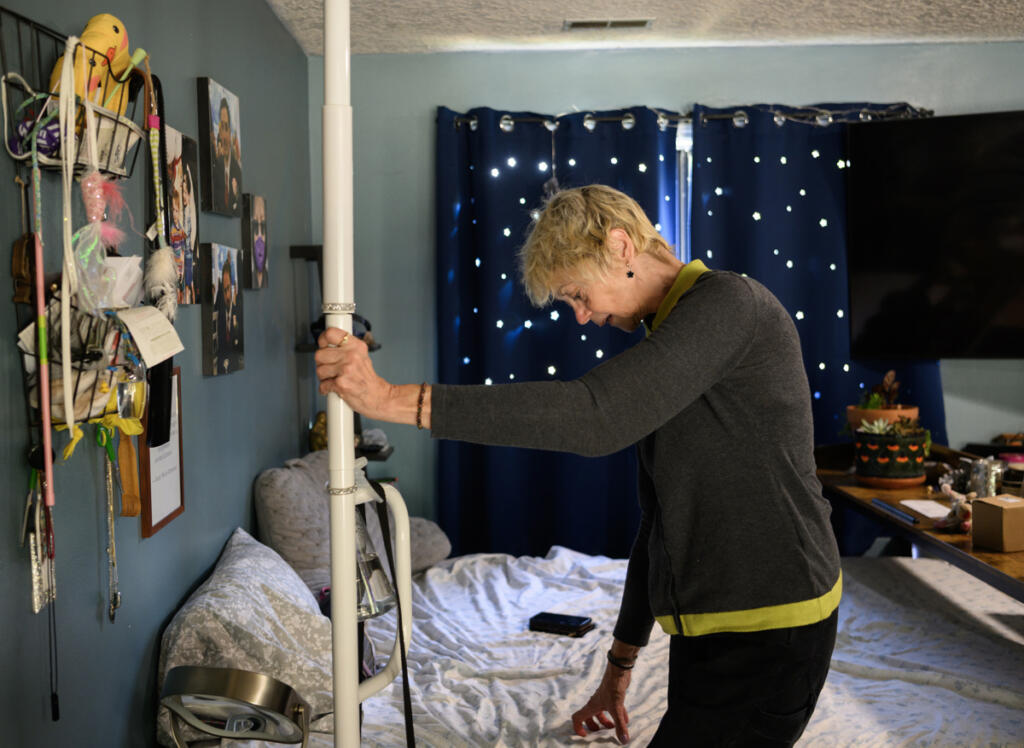
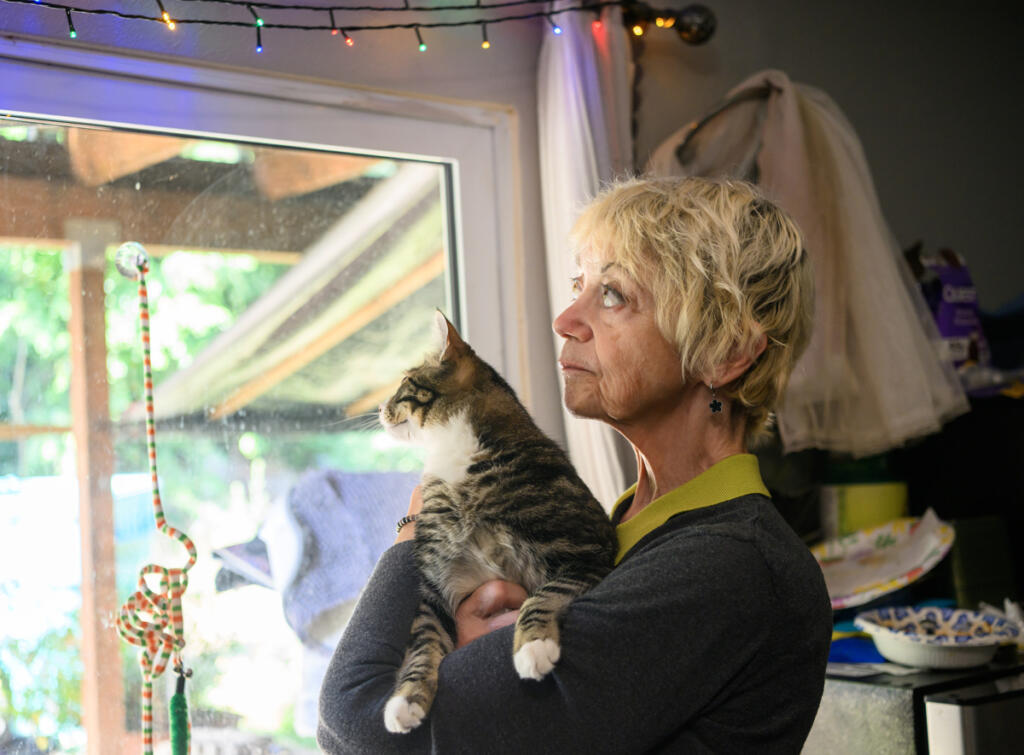
In-home care aide Vicki Bickford has dedicated the past 15 years to assisting Clark County residents with such daily tasks as getting to school, walking, cleaning and eating.

This support “keeps people alive,” she said. Yet, for many residents, it is difficult to afford.

The number of people of any age who require in-home, skilled-nursing facility or community residential services is projected to surge over the next 15 years in Southwest Washington, but many might not be prepared for the steep costs.

Starting this month, WA Cares might help offset some of those costs for eligible residents.

“It is going to keep people safe in their home instead of living in a car,” Bickford said.

The WA Cares program is the nation’s first public long-term care benefit and helps cover the cost of in-home caregivers, medical equipment, home modifications, meal delivery and more.

Bickford and other advocates say WA Cares fills a gap in long-term care not covered by Medicare or other forms of health insurance. The benefit also is available to pay family members to be caregivers.

The program, which was created by the Legislature in 2019, allows eligible workers or retirees to receive a one-time benefit starting at $36,500, adjusted over time with inflation. Workers can access their lifetime benefit once they’ve paid into the program for 10 years, or less if they have a sudden need.

A 0.58 percent tax on workers’ paychecks replenishes the state fund. An employee earning about $50,000 a year would pay $291 per year toward the fund. Deductions from paychecks began July 1, 2023.

Private long-term care insurance holders can participate in the program. But out-of-state workers, workers on nonimmigrant visas, military spouses, veterans with a 70 percent service-connected disability rating or higher and those with private long-term care insurance must apply to be exempt from paying into the program.

Get the latest headlines in your email every week!

This field is for validation purposes and should be left unchanged.

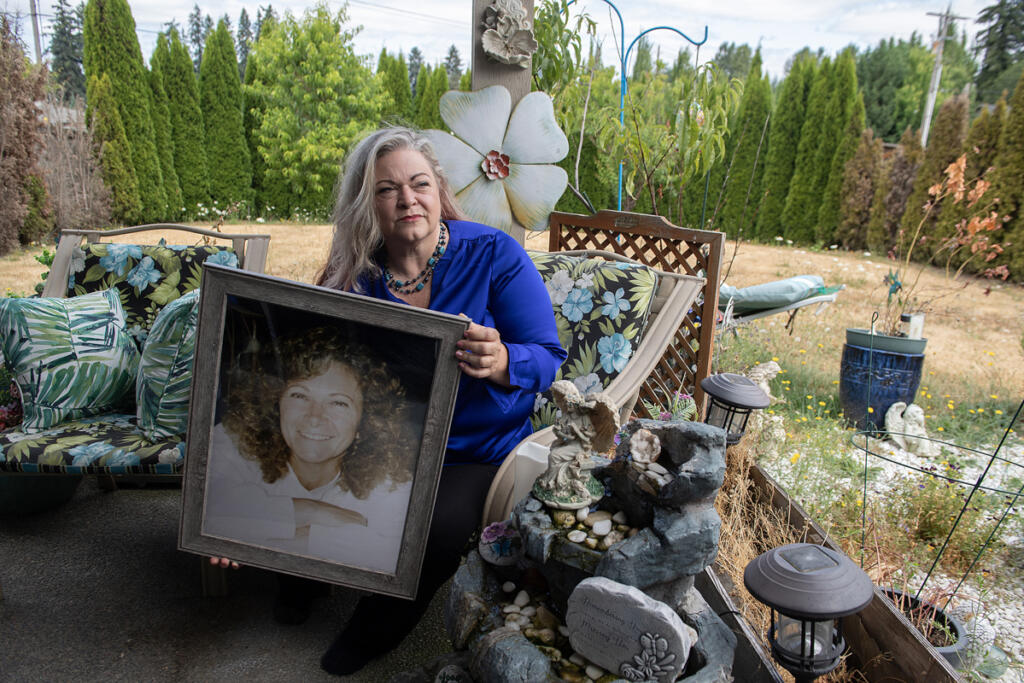
Christina Keys, a family caregiver advocate, has supported WA Cares since 2021, when the Legislature was working to improve key parts of the program.

In 2013, her mother, Patricia, suffered a life-altering stroke at the age of 60 that left her paralyzed on one side and in need of full-time care.

At first, Keys thought her mom was prepared to pay for the care that she needed. Her mother was a retired aerospace engineer who had a robust insurance plan in addition to Medicare coverage.

They quickly found out that just wasn’t enough.

A remodel of Keys’ mother’s home to accommodate her wheelchair cost thousands of dollars alone, and that was on top of medical equipment and ongoing care. Eventually, Keys and her mother both tapped into their 401(k) accounts and savings to pay for basic medical needs.

Keys believes that if the WA Cares program had been in effect when her mother was still alive, they would have been better equipped to navigate her medical needs with a safety net to help cover up-front costs.

“It’s important to have that safety net,” Keys said. “You never know what is going to happen. People complain about homelessness a lot; one hospital bill probably put half of those people out on the streets.”

Cost is $51,480 a year

Rising long-term care costs are forcing more working family members to become caregivers. In 2025, the median annual cost of in-home care climbed to $51,480 for someone receiving 30 hours of care per week, more than twice the average annual Social Security benefit of about $23,700, according to the AARP.

The nonprofit reports that the rising costs fall hardest on middle-income older adults, as they tend to earn too much to qualify for Medicaid or other support programs but not enough to comfortably keep pace with escalating costs.

Local data from the Area Agency on Aging & Disabilities of Southwest Washington — which encompasses Clark, Cowlitz, Klickitat, Skamania and Wahkiakum counties — suggests the number of people at any age needing in-home, skilled-nursing facility or community residential services will increase significantly as well in the next decade and a half.

The number of people older than 60, who are more likely to need long-term care services than any other age demographic, is projected to increase by 31 percent by 2040, according to the data. Those living at or below 100 percent of the federal poverty level will increase by 48 percent, and the number of people older than 65 with dementia is projected to increase by 92 percent.

“I’ve seen it from the inside, watching people lose their abilities temporarily or permanently,” Bickford said. “Your family may be on the other side of the country, they have jobs, and they’re desperate for an income. They can’t afford to stop what they’re doing to take care of you. The world is dark, and (WA Cares) is one of those lights that will help save and protect us.”

Some question program

Not all believe WA Cares is the way to help Washingtonians deal with the high costs of long-term care. Many saw the program as unfair and inadequate, and questioned the program’s solvency. They launched a 2024 ballot initiative that would have cut funding to WA Cares by letting employees opt out of the program. Hundreds of family caregivers, advocates and nurses across the state campaigned against the measure, which failed.

“It’s very evident to me when there are arguments against WA Cares that these people have never cared for someone or needed care, or they are very wealthy, because it just doesn’t add up,” Keys said. “I talk to family caregivers all across the United States, in all kinds of situations, and none of them were prepared financially. They all had no idea how much caregiving was going to cost.”

Julie Donovan, program manager for the HOPE Dementia Support Program and a member of the Clark County Commission on Aging, said she and two of her siblings, in addition to her adult children, helped care for their mother and father before they died in 2024.

Donovan believes the program will help future generations avoid the financial burden and emotional strain that often accompany caregiving and navigating the complexities of the care system.

“It is an all-age thing,” Donovan said. “If there’s an accident or maybe you’re going to have major surgery and you need some help while you’re healing, you’ll have coverage for that. I think for me, I’ve always viewed it as breathing space.”