Camas-Washougal logo tag

Why haven’t more found Discovery Corridor?

12-mile stretch along I-5 long imagined as bustling commercial zone

By
timestamp icon
category icon Business, Clark County, News

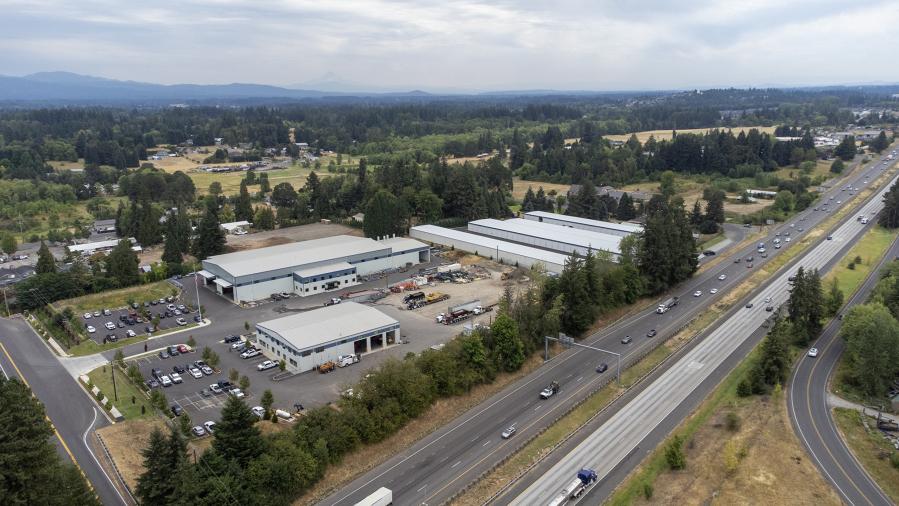
North Clark County’s Discovery Corridor has a ways to go to fulfill the dreams of those who first imagined the roughly 12-mile stretch as a driver of job creation.

The corridor, along Interstate 5 between Washington State University Vancouver and the East Fork Lewis River, has been in the works for about 25 years. While a few big operations have moved in, some say not much has been done recently to attract businesses.


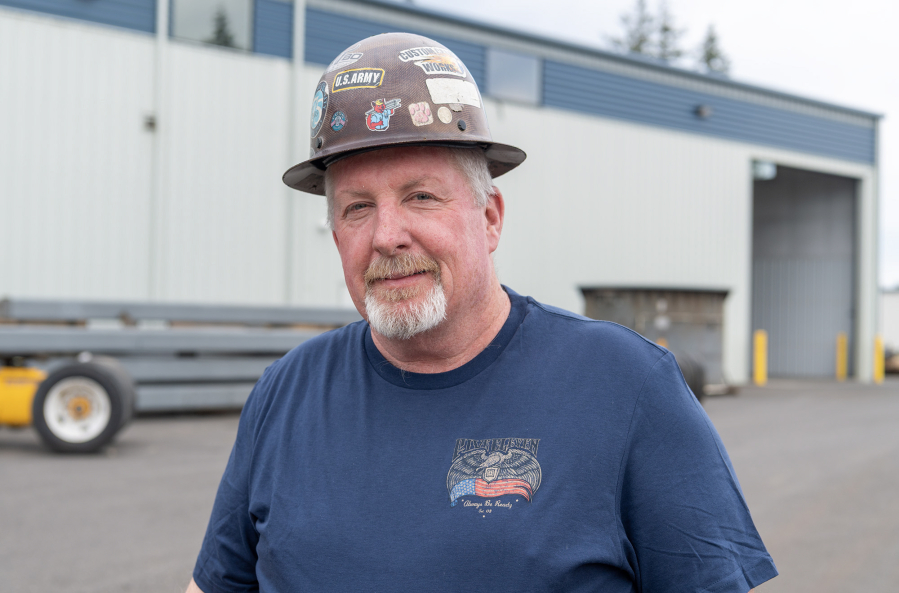
Pat Kiely, who owns Red Dog Fabrication in Ridgefield, compared the corridor with the industrial areas blossoming in Hillsboro, Ore., and near the outskirts of Seattle.

“We have the same opportunity to have that kind of economic horsepower right here,” he said.

But he said he believes more could be done to make that dream viable.

Local officials designated the Discovery Corridor in 1999 with plans to develop the area into a hub for industry and commerce.

Some of that development has come to fruition.

The amphitheater, now known as the Cascades Amphitheater, debuted in 2003. The Cowlitz Indian Tribe’s ilani casino opened in 2017, as has its adjoining luxury hotel. The Department of Fish and Wildlife’s regional headquarters is up and running. And earlier this year Clark College launched its Boschma Farms campus, home to the Clark College Advanced Manufacturing Center.

It’s exactly what those who came up with the Discovery Corridor envisioned — fertile ground for Clark County jobs.

But the freeway is still lined with plenty of green pastures. PeaceHealth, for instance, is holding onto 75 acres east of I-5 and north of Pioneer Street in Ridgefield previously identified as a location for a new hospital.

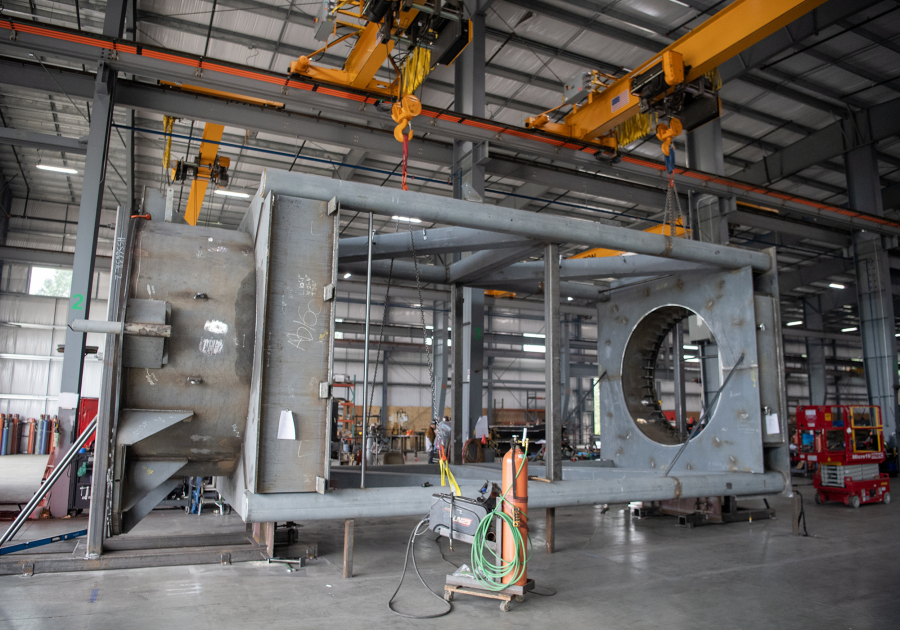
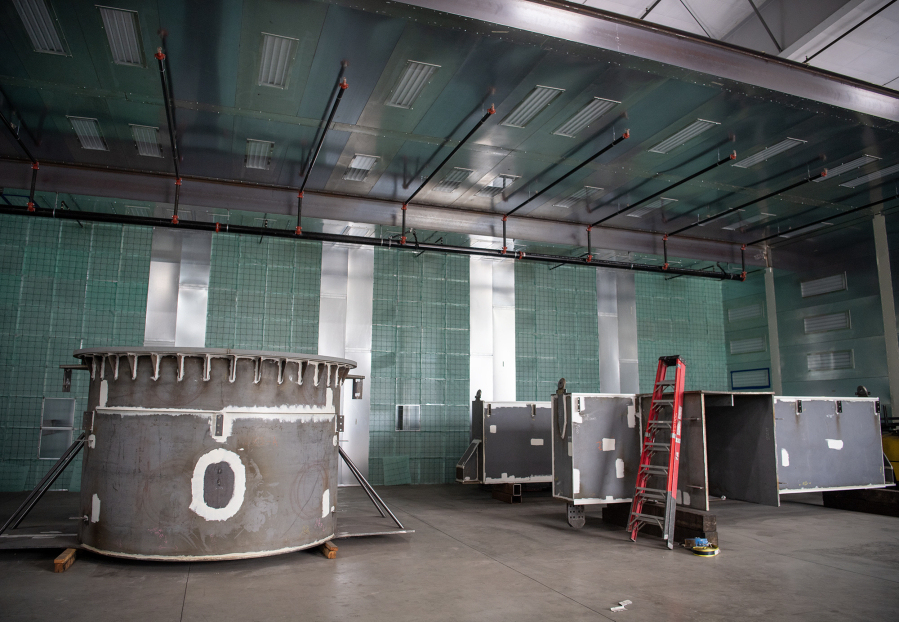
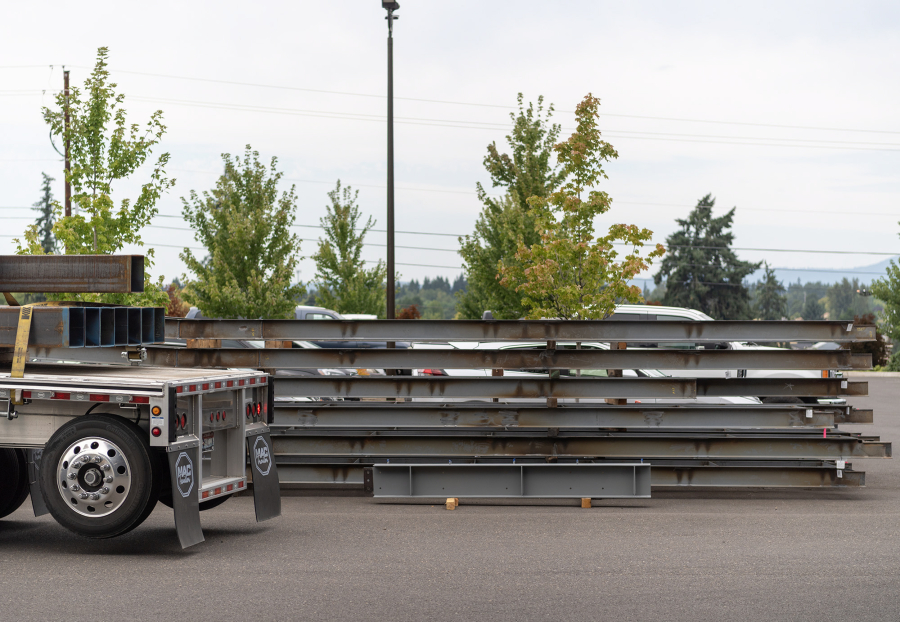
Red Dog Fabrication built its business near Northeast 179th Street about five years ago.

Kiely wanted the chance to own the land where he runs his business. So when his now 11-year-old company outgrew its Vancouver space, he looked north along the I-5 corridor. He wanted his business to have “a place to grow, a place to call home.”

He bought land south of Ridgefield, along with his neighbor, general contracting company Legacy 6. The two co-developed the property during the pandemic.

“We were the first ones out here,” Kiely said.

He’s hopeful more businesses will buy land nearby.

The county doesn’t offer any special zoning, tax breaks or other incentives to draw businesses to the Discovery Corridor, according to officials. And the county doesn’t provide water or sewer services. But other entities have extended some urban services, such as water and sewer, to some of the areas north of Northeast 179th Street as development has occurred there, said Jose Alvarez, a planner with Clark County. Urban development has been allowed in that area for roughly the past five years.

Dameon Pesanti, spokesman for Clark Public Utilities, said not much has changed for the utility in that area in the past decade.

“There’s infrastructure in place, and it’s ready for commercial customers to connect to it,” he said.

The property Red Dog moved onto didn’t have sewer lines, so the company installed a septic tank.

Kiely said towns to the north have infrastructure and incentives to draw businesses, which should be offered in the unincorporated parts of Discovery Corridor, too. He also said permitting could be streamlined.

“We have significant challenges on why people want to build here and why they don’t want to,” Kiely said.

Ridgefield growth

Of the cities in the Discovery Corridor, Ridgefield has arguably seen the most growth. Along with familiar fast-food restaurants, a grocery store and retailers including Costco along Pioneer Street, a slew of new businesses cropped up both east and west of I-5.

With distribution centers for Dollar Tree, Albertsons, Grocery Outlet and others, and fabrication shops such as Alpha Iron, it’s obvious it’s not just new homes driving the city’s growth.

Ridgefield City Manager Steve Stuart said the vision for the Discovery Corridor, in very broad terms, was to establish an attractive and thriving economic corridor.

“The idea of what specifically would come in the Discovery Corridor has morphed over time to meet the needs of emerging markets and to lean into opportunities that are now possible,” he said.

Get the latest headlines in your email every week!

This field is for validation purposes and should be left unchanged.

From the earliest days of the Discovery Corridor’s planning, different opportunities were identified for each city or area, Stuart said, but those opportunities have changed over the past 25 years. For some cities, the reality of development could be very different from what was proposed.

“I don’t get fixated on the specific business type that was anticipated in 1999 because those opportunities are not prevalent anymore. Campus-style development that was in some of the original concepts is an incredibly infrequent opportunity,” Stuart said. “That was a big deal back then. It was like who’s going to be the next Intel, who’s going to be the next HP?”

While large, campus-style developments can be transformational for a smaller city, Stuart said changing market forces, including the increase in remote workers, have left some of these developments with high vacancy rates.

Rather than sticking to the original plan for the corridor, Stuart said Ridgefield has adapted its vision to fit the existing market conditions and opportunities. That means creating opportunities for major job generators that can decrease vehicle miles traveled and commute times and keep workers closer to home.

“We see opportunity in the mixed-use environments that are being created to have places for people to live, work and play all within the same neighborhood, let alone the same city,” Stuart said.

Education, specifically Clark College’s Boschma Farms campus, will be equally important to Ridgefield’s success in developing new businesses, he said.

“When we look at industry, we are looking more at in what’s emerging industry and not the history of industry, but what’s next. What we’ve seen is an explosion of small-scale, small-bay industry, and small industry is 5,000- to 20,000-square-foot suites,” Stuart said.

Small-bay commercial developments typically have far lower vacancy rates than their larger counterparts, he said. The city’s goal is to attract light manufacturing, creators and innovators that may want to start small and grow into their markets. That includes businesses like Pacific Crest Custom Cabinetry, Rietdyk’s Milling Company and Alliance Industrial Group.

“Those are the kinds of entrepreneurs. Those are the kinds of manufacturing businesses that can greatly benefit from the education and training opportunities of Clark College at Boschma Farms,” Stuart said.

Health care has been an important part of the Discovery Corridor vision, as well, Stuart said. That goes beyond Legacy Salmon Creek Medical Center to include health care education at WSU Vancouver, as well as jobs that support the health care sector, he said.

“It’s about the educational and training opportunities that are provided to additional businesses and market sectors that can benefit from that health care. Health care is catalytic in that there are a ton of associated business sectors that benefit from proximity to health care,” Stuart said.

Rather than relying on incentives or tax breaks to attract new businesses, Ridgefield has instead focused on improving transportation options, ensuring properties are zoned for commercial development and creating an attractive, if intangible quality of life.

“We have a bus rapid transit line that is actually going to serve the southern end of the Discovery Corridor and WSU Vancouver,” Stuart said. “We have more than just this main line of road infrastructure. We have trail systems, we have other ways for people to get around and that helps bring businesses.

“Quality of life, the connections between people and place matter,” he said.

Sarah Wolf: 360-735-4513; [email protected]

Shari Phiel: [email protected]; 360-562-6317; @Shari_Phiel