Camas-Washougal logo tag

Club examines substance misuse in city

Washougal High School students present 5 projects during town hall

By
timestamp icon
category icon Schools, Washougal

Members of Unite! Washougal Community Coalition’s Washougal High School Ambassadors club love Washougal and believe in the city’s potential but hope that local leaders and community members can come together to reduce substance abuse and other activities that they feel are damaging their cherished hometown.

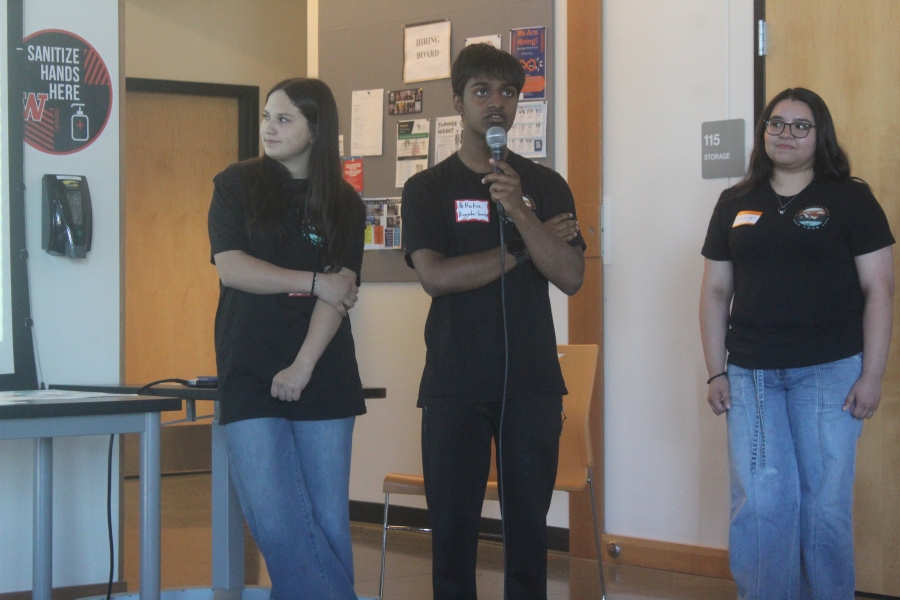
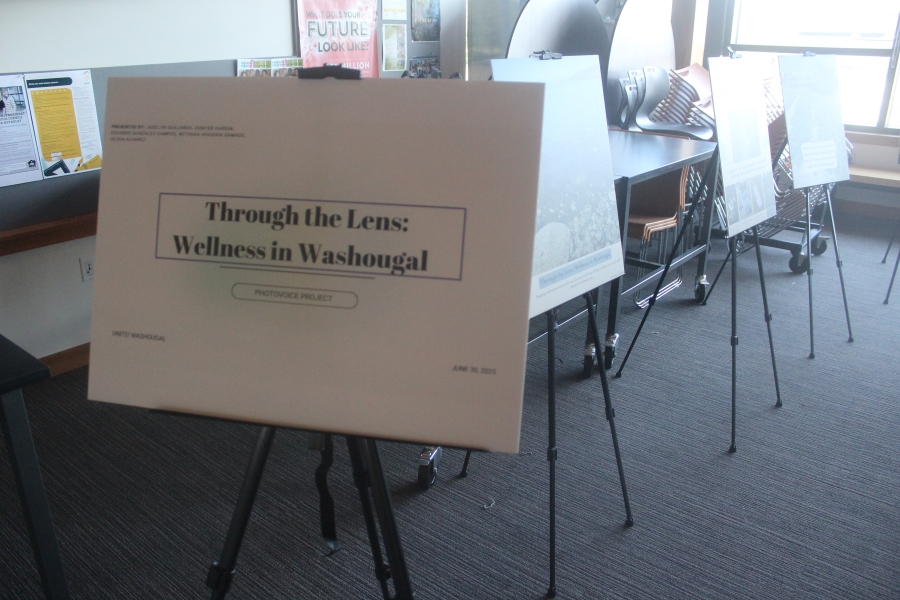
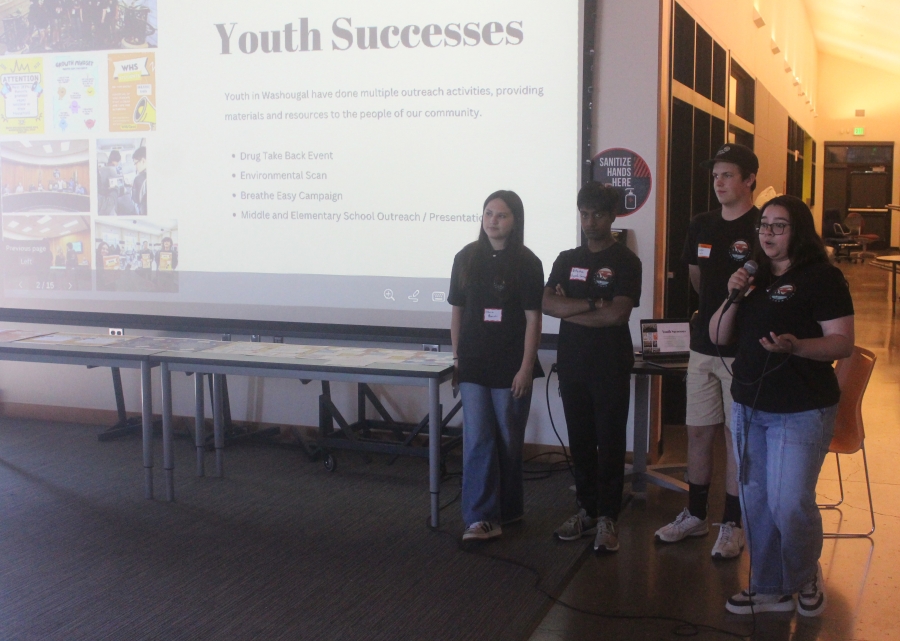
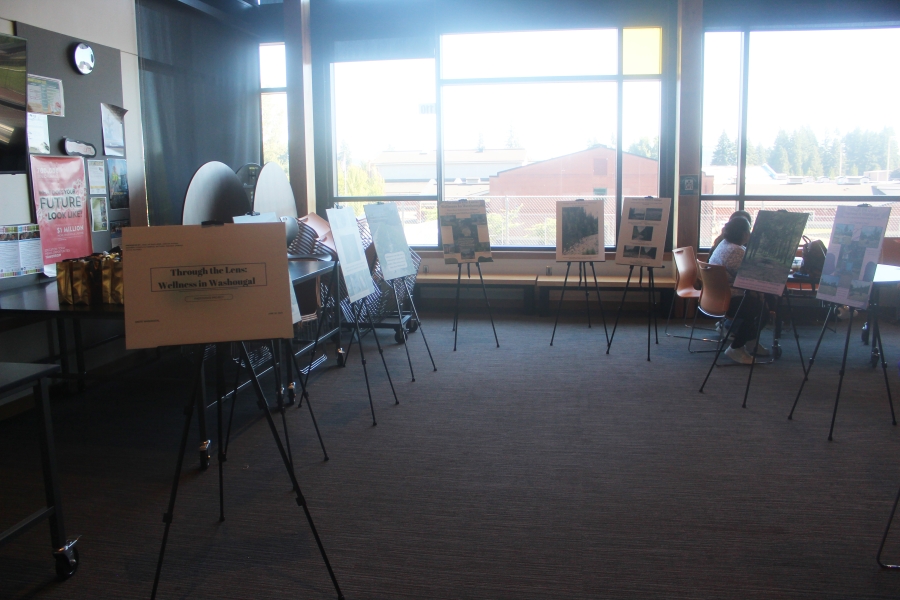
Rising seniors Joselyn Guajardo, Hunter Hardin, Nethuka Hiddoga Gamage and Eduardo Gonzalez-Campos, and rising sophomore Olivia Alvarez, presented “Through the Lens: Wellness in Washougal,” a series of five photovoice projects, at a community town hall on June 30 at Washougal High’s Excelsior building.

The students took photos and wrote captions for the projects, which reflected on their personal experiences and examined the impacts of substance misuse on Washougal.

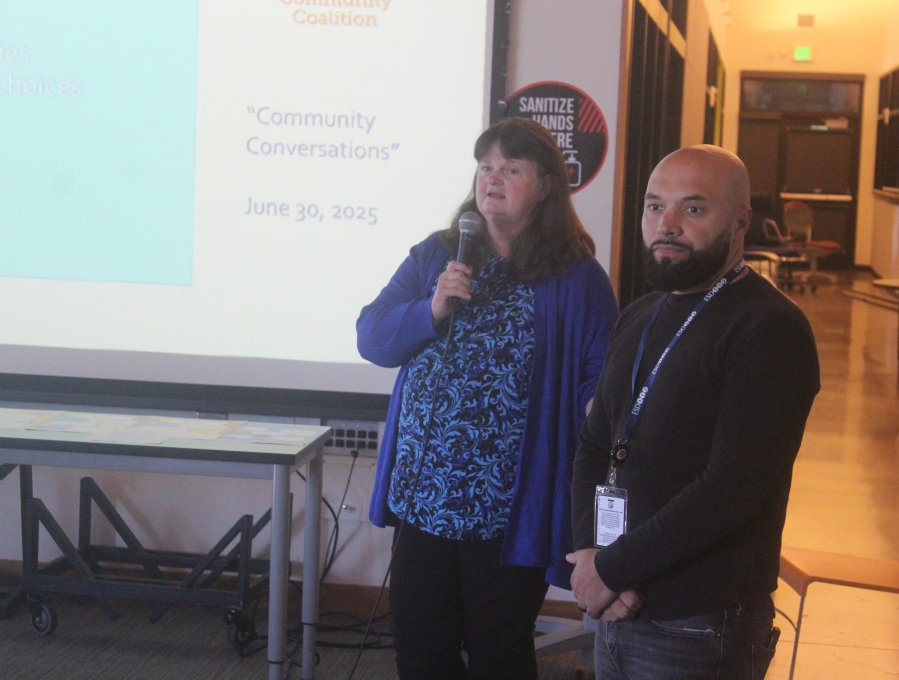
“I love the fact that (this project) connected them to their community,” Unite! Washougal Director Margaret McCarthy said. “They have a concern about their community, but they also expressed care for this community. I was really impressed.”

The students created their projects after a series of training sessions with members of Mi Chiantla, an Olympia-based nonprofit organization. For the past two years, the two groups have been teaching each other techniques to foster healthy communities through a mentorship program organized by the Washington State Department of Health.

The WHS Ambassadors periodically traveled to Shelton to train with Mi Chiantla about Positive Community Norms, an evidence-based strategy that works to correct misperceptions, reduce underage drinking and other substance use, reinforce positive parenting habits, and raise awareness of the fact that the majority of students in school districts are making healthy choices.

In return, the Shelton students, who came to Washougal for training sessions on several occasions, taught the ambassadors about photovoice, a qualitative method used in community-based participatory research that involves gathering photographs and narratives taken by community members with the goal of contributing to actionable knowledge derived from those members’ observations.

“You can use it for any social problem,” McCarthy said. “It could be about pollution in the river, kids not having stuff to read, mental health — anything that you want to change in your society.”

Xander Cook, Unite! Washougal’s youth activities coordinator, said that photovoice emerged in the 1990s in China as a way to provide opportunities for oppressed rural women to amplify their needs, issues and concerns.

“We know that young people don’t have the opportunity to vote and make their voices known that way, and we wanted to allow youth to have a more empowered voice through this photovoice project,” Cook said. “They reflected on the photographs that they took, talked about a narrative, went out with a question, and took more pictures, all to enhance and reflect on what it is like to live as a youth in Washougal.”

Guajardo’s project features photos of discarded cigarette butts and vape packaging, and local bodies of water, captioned by the question, “How does the misuse of substances influence youth perspective in Washougal?”

“As I’ve grown older, I’ve noticed (what I thought was) an increase in substance misuse in the community,” she said. “But the data shows the exact opposite — in fact, there’s been a dramatic decrease. That’s why I wanted to focus so much on perspective and the fact that it’s (about) really how we view things.”

Hardin’s project, titled, “How has substance misuse changed our childhood spots?” includes photos of downtown Washougal, the Washougal River, and Salmon Creek, with a caption, “Don’t let substances consume Washougal! Be the light that shines through!”

“A little over a year ago, I was out of Hartwood Park playing disc golf with my dad, and the guy in front of us offered us weed out of the blue,” he said. “It was kind of shocking. After this incident, I started noticing it more and more. I saw youth drinking on the beach, people smoking near the river, and all these other things I didn’t notice when I was younger. It kind of ruins the moments I had back in the day, and I wish I really didn’t have to experience that.”

Gonzalez’s project, titled “How has substance misuse affected the environment around Washougal?” features photos of Cottonwood Beach and the Washougal River, with the caption, “Reducing the percentage of nicotine, tobacco and marijuana pollution in Washougal would restore the beauty of nature.”

“(Eduardo) and his family visited this place during the summer, and it was just a peaceful, fun time that made him feel happy and at peace,” said Alvarez, who presented Gonzalez’s project in his absence. “Today, this once-peaceful place is now one of the most popular places for youth to get together and engage in substance misuse, like smoking and drinking. This makes him feel uncomfortable. This not only affects people, but it also affects the beauty of nature and wildlife that lives in this area.”

Gamage focused his project around the question, “How can substance misuse make its way into children’s lives?” and included photos of a local playground and the picnic area at Bates Field in Hathaway Park, areas that in his view have eroded due to substance misuse.

“It’s just insane to me that two places that I considered to be basically my Disneyland had got so rotten,” he said. “It concerns me that kids today might not have those same playgrounds. They might have to find different areas to play in, or find completely different alternatives, which could be good or even worse.”

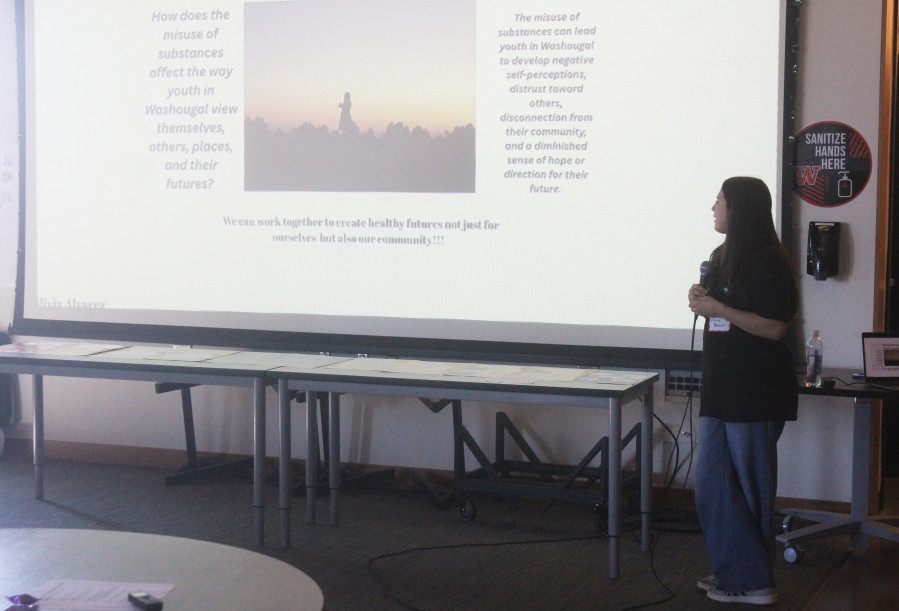
Alvarez’s project examined the question, “How does the misuse of substances affect the way youth in Washougal view themselves, others, places, and their future?” and included photos of a local convenience store that she claimed placed tobacco and alcohol products within easy reach of minors.

“The misuse of substances can lead youth in Washougal to develop negative self-perception, distrust toward others, disconnection from their community, and diminished sense of hope or direction for their future,” she said. “But we can work together to create a healthy future, not just for us, but also our community.”

The WHS Ambassadors program was formed in 2023 to partner upperclassmen with freshmen and new students for peer mentoring and support. The ambassadors will begin their next mentorship program with the Jefferson Teen Center in Chimacum later this year, McCarthy said.

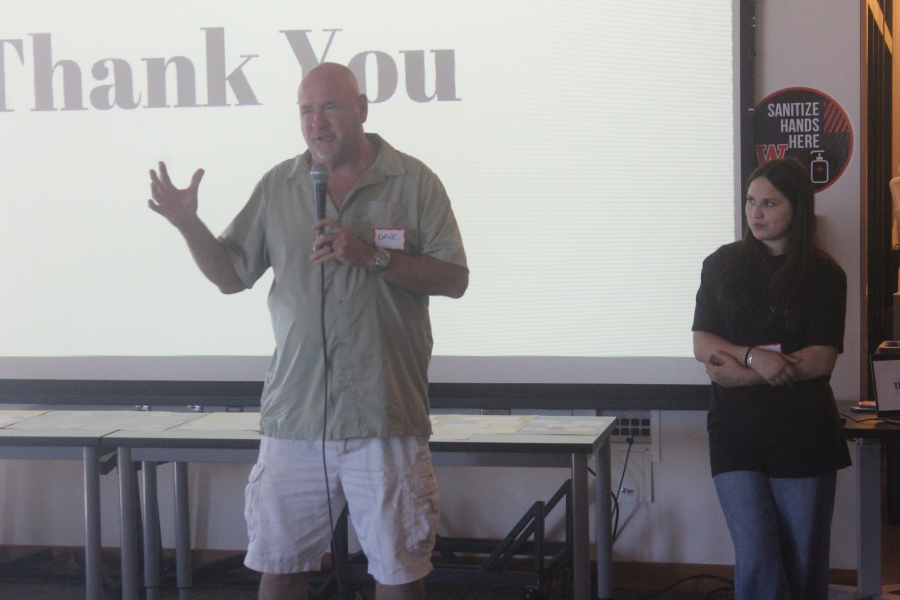
“I’m so proud of you guys for doing this,” Washougal Mayor David Stuebe told the students. “This is the way I see things now: Are you part of the problem or part of the solution? You’re part of the solution. You guys are making this a better place. I love seeing your guys’ energy. We need to make people proud of this place. This is our home. All I know is you guys inspire me.”

Doug Flanagan: 360-735-4669; [email protected]