Camas-Washougal logo tag

Education and involvement: Lower Columbia Estuary Partnership celebrates 30 years

‘We exist to protect and restore the habitat of the Lower Columbia Estuary for fish, wildlife and people’

By
timestamp icon
category icon Clark County, Environment, News

Talk to any agency that works with Lower Columbia Estuary Partnership and it’s clear the Portland-based nonprofit, founded 30 years ago, takes the partnership element of its name seriously.

“It’s been great to collaborate with their restoration practitioners, great scientists. They’re good partners to work with,” said Ian Sinks, stewardship director for Columbia Land Trust. “And we learn from what they’re doing and the science that they’re developing and leading.”

Another frequent partner is Clark County. Devan Rostorfer, manager of Public Works’ Clean Water division, said Lower Columbia Estuary Partnership plays an essential role in protecting and restoring clean water throughout the county.

“Clark County is very grateful for (Lower Columbia Estuary Partnership’s) significant investment of resources and time into our community to help restore local natural areas while bringing valuable educational programs to schools,” Rostorfer said.

The projects benefit not just fish and wildlife, but people as well, she said.

From restoring floodplains along Burnt Bridge Creek to hosting tree-planting events for students on the Salmon Creek Greenway or leading a large-scale restoration project at Steigerwald Lake National Wildlife Refuge, the nonprofit has brought significant resources to Southwest Washington that will generate social and environmental benefits for years to come, Rostorfer said.

This year marks the 30th anniversary of Lower Columbia Estuary Partnership founding under the Environmental Protection Agency’s National Estuary Program.

Created in 1987 under the Clean Water Act, the national program’s goal is to protect and restore the water quality and ecological integrity of estuaries along the Atlantic, Gulf and Pacific coasts, as well as in Puerto Rico. The Lower Columbia program was one of the last of 28 estuary programs adopted.

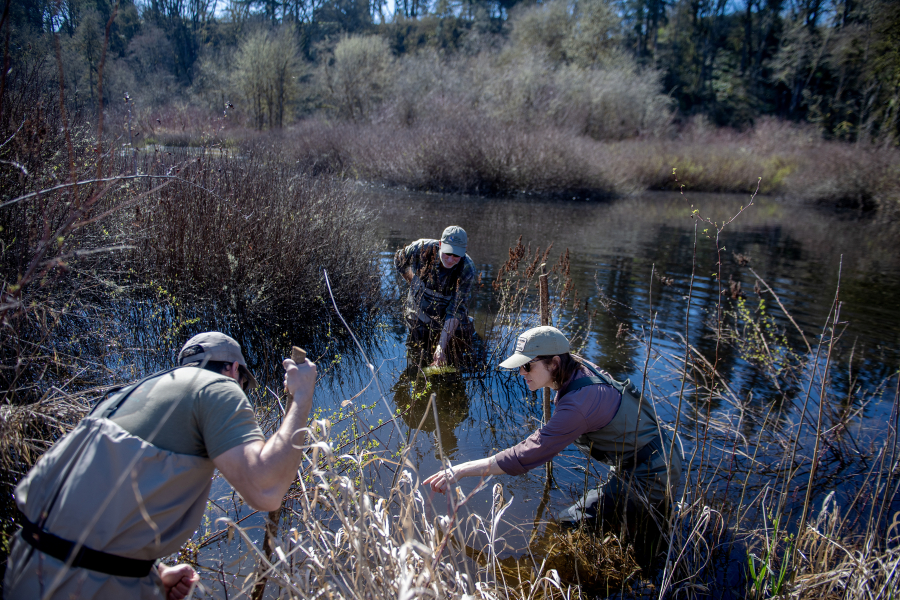
Lower Columbia Estuary Partnership’s work is focused on improving water quality and stream habitat for native salmon and other wildlife between Bonneville Dam and the mouth of the Columbia River on the coast.

“We exist to protect and restore the habitat of the Lower Columbia Estuary for fish, wildlife and people,” said Elaine Placido, executive director for the partnership.

Prior to the estuary partnership, Placido was the operations manager for Cowlitz County’s building and planning office. She said her experience on the “other side” of the permitting process has proved valuable in navigating the complex permitting process and getting projects moving forward.

Science education

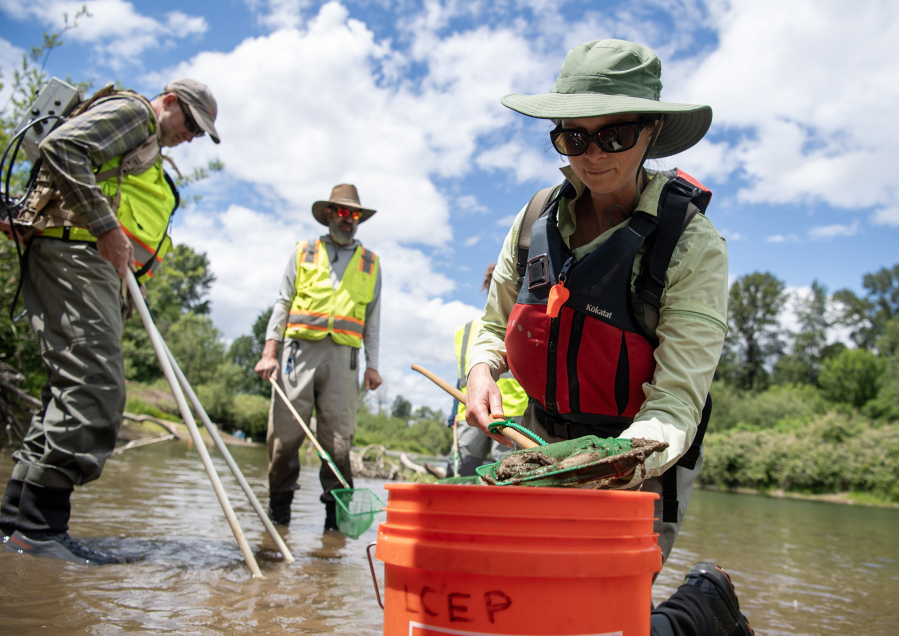
Lower Columbia Estuary Partnership, however, is about more than just restoration projects, Placido said. Education, for both school-aged children and adults, is an important element of the nonprofit’s work.

“Science education is incredibly important. It’s something that students don’t get a lot of, particularly outdoor science education. Our educators are able to come in, do hands-on work in the classroom and take kids out on field trips,” she said. “The more a person is connected to something, the more they will care about it going into the future.”

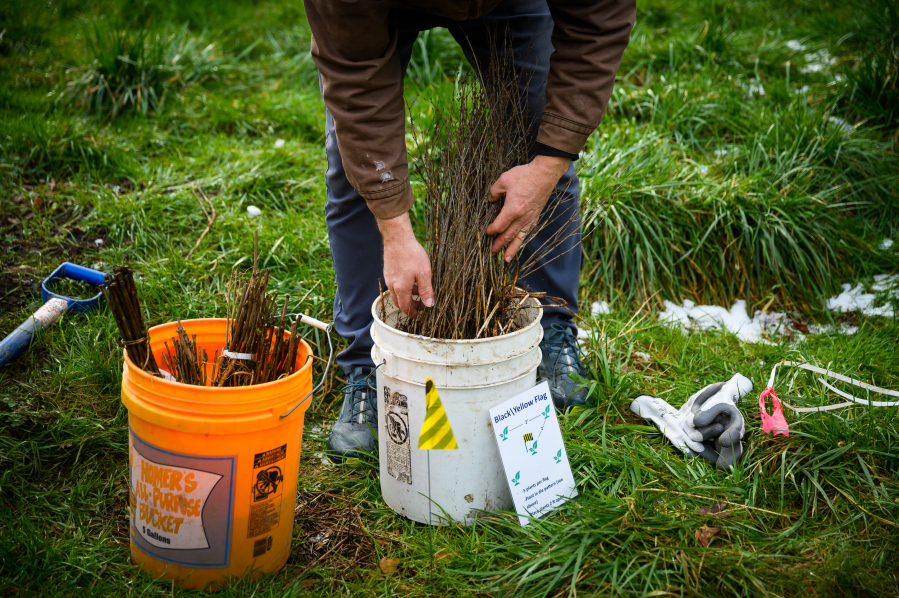
Since 2000, the estuary partnership’s education programs have reached 101,821 students with 516,965 instructional hours. Also since 2000, the partnership has seen 16,229 volunteers donate time for activities such as riparian plantings and habitat enrichment and water quality programs. Volunteers and students have planted 250,307 native trees and shrubs in that time as well.

Milestones marked

Along the way, Lower Columbia Estuary Partnership has marked a lot of firsts and important milestones. It adopted its first comprehensive restoration and management plan in 1999. It rolled out its first educational program to second-grade students at Raleigh Park Elementary School in Beaverton, Ore., in 2000. Its nonprofit status was first approved in 2001. Its first guide to water-quality friendly development went live online in 2003. Celebrations in Vancouver and Skamokawa, as well as in St. Helens and Fort Clatsop in Oregon, heralded the launch of the Lower Columbia River Water Trail in 2004.

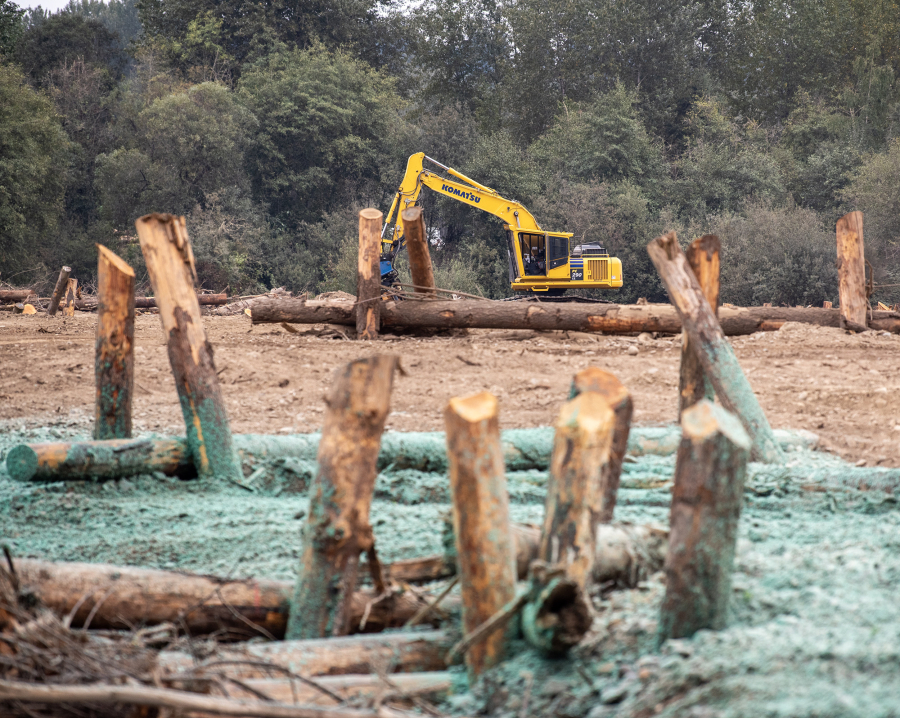
More recently, the partnership completed a major project at Steigerwald Lake National Wildlife Refuge that reconnected 965 acres of floodplain while also reducing flood risk from Gibbons Creek. The first phase of the East Fork Lewis River reconnection project was completed this month. When the entire project is finished, it will reconnect a 3-mile stretch of the river with its natural floodplains and restore the braided channel structure.

Get the latest headlines in your email every week!

This field is for validation purposes and should be left unchanged.

The partnership’s executive director from 1995 to 2020, Deb Marriott, said being a good community partner for residents, students, local government, businesses and other nonprofits has always been important.

“From the beginning, we put a lot of effort into that focus on collaboration and listening to, first, what the science says, and then, what the community needs,” Marriott said. “Early on, we decided that one key focus needed to be education and community involvement. We have a very extensive community engagement program where volunteers are out several weekends every year doing plantings and removing invasive species.”

Up next for Lower Columbia Estuary Partnership is to complete the East Fork Lewis River project in 2026.

Two remaining former gravel mine pits still have to be filled in, then volunteers will come out and plant native shrubs and trees.