Camas-Washougal logo tag

Expensive beef pinches local businesses as well as consumers

Problem is simple: Demand is greater than supply, leading to high prices

By
timestamp icon
category icon Clark County,

Historically high beef prices are pinching local small businesses as well as consumers.

A pound of all-beef ground chuck reached $6.63 on average in August, according to national data from the Bureau of Labor Statistics. It topped every average price for the past 20 years.


The high prices have impacted almost every kind of business here that sells beef, from ranchers to processors to grocery stores. Some local restaurants have had to raise their prices.

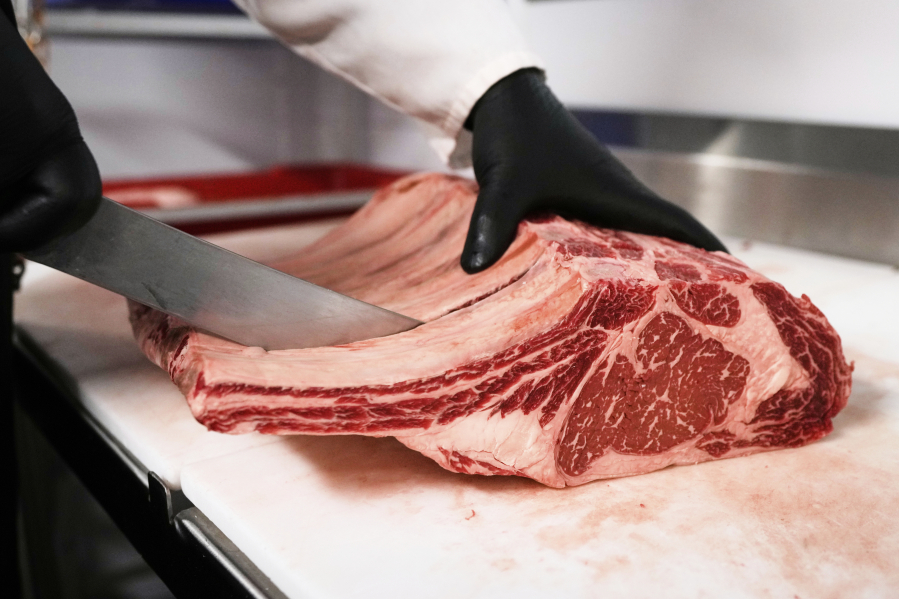
Steve Weiss owns Jake’s Food Service in central Vancouver, which processes large cuts of meat like ribeye or prime rib, cutting it, trimming it, grinding it or preparing it for whatever product clients want.

“The pricing is up, but the case volume is definitely down,” Weiss said.

“I hear about it from everybody,” he added. “Unfortunately, it isn’t cheap, but there’s not much I can do about it.”

The problem? Simple supply and demand.

“We have the smallest cow herd that we’ve ever had here in the United States,” said Jackie Madill, executive director at the Washington State Beef Commission.

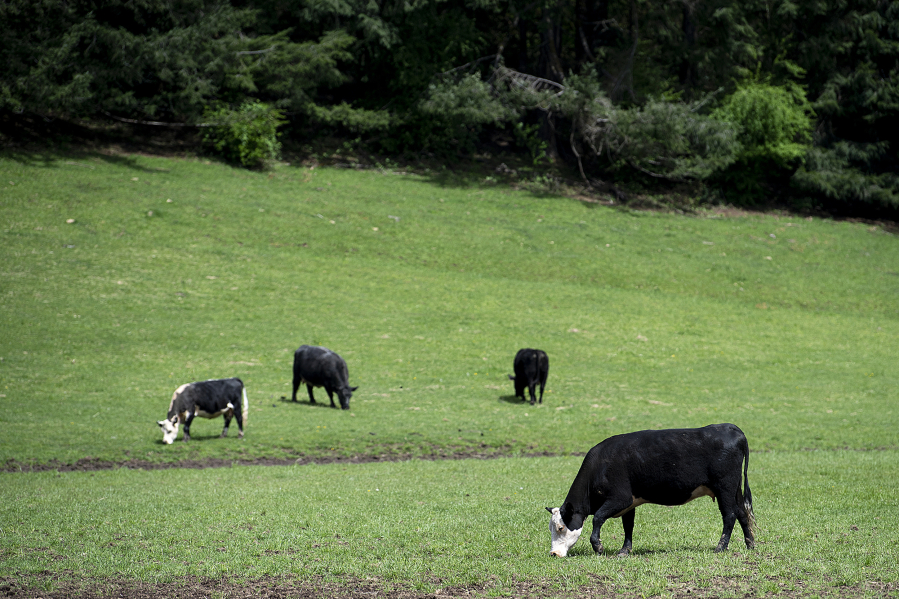
Prices for beef plummeted during the COVID-19 pandemic. Drought, processing difficulties and low prices led many ranchers across the nation to sell cattle rather than face the rising costs of keeping large herds.

That, combined with a decline in Mexican cattle imports, has pushed prices to their new historic peaks.

It’s been a perfect storm of factors influencing cattle numbers, Madill said.

Demand for beef, however, still is strong. The U.S. Department of Agriculture released a report in May estimating that consumption of beef would reach 28.91 billion pounds this year.

Madill, who stressed that many foods are expensive these days, said consumers appear to still be buying beef but are embracing more affordable options.

Weiss’ customers, mostly restaurants and food service industry places, appear to be doing just that — buying fewer high-end meats in favor of cheaper products.

Madill said Washington’s beef industry is a bit insulated, with a good grass supply, local feed yards and several processors.

The state’s herd size has hovered around 1 million for the past 25 years, she said.

No quick fix

Jon Schoenborn and his wife started Basket Flat Ranch near Battle Ground in 2004. It is now one of the largest grass-fed beef cattle ranches in the county.

Schoenborn said he’s not getting rich from the high price of beef. (He also doesn’t sell his beef to retailers, but instead directly to customers.)

His costs also have climbed.

Basket Flat Ranch has struggled with the high cost of farmland in Clark County and the rising costs of equipment maintenance, which directly impacts Schoenborn’s costs for producing hay.

He’s also preparing to spend about $8,000 on a bull that would have cost him just $4,000 a few years ago. But he doesn’t see another option.

“I can’t not buy that bull,” Schoenborn said.

Raising cattle takes years, so experts expect it will take years to see relief from high beef prices.

“It’s not something that can be fixed overnight,” Schoenborn said.

Sarah Wolf: 360-735-4513; [email protected]