Camas-Washougal logo tag

WDFW proposes shellfish rule changes

Comments being sought from public to help decision making

By
timestamp icon
category icon Clark County, Outdoors, Sports

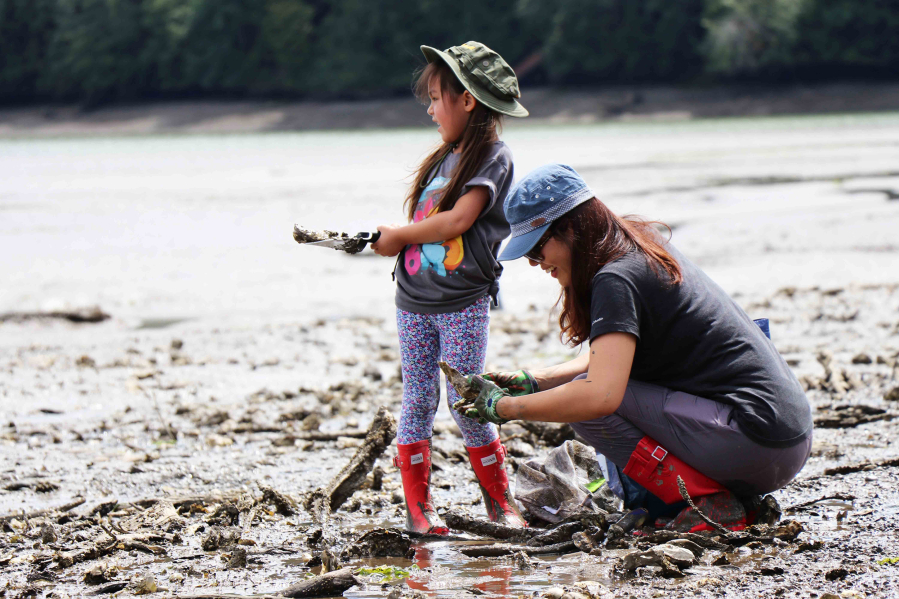
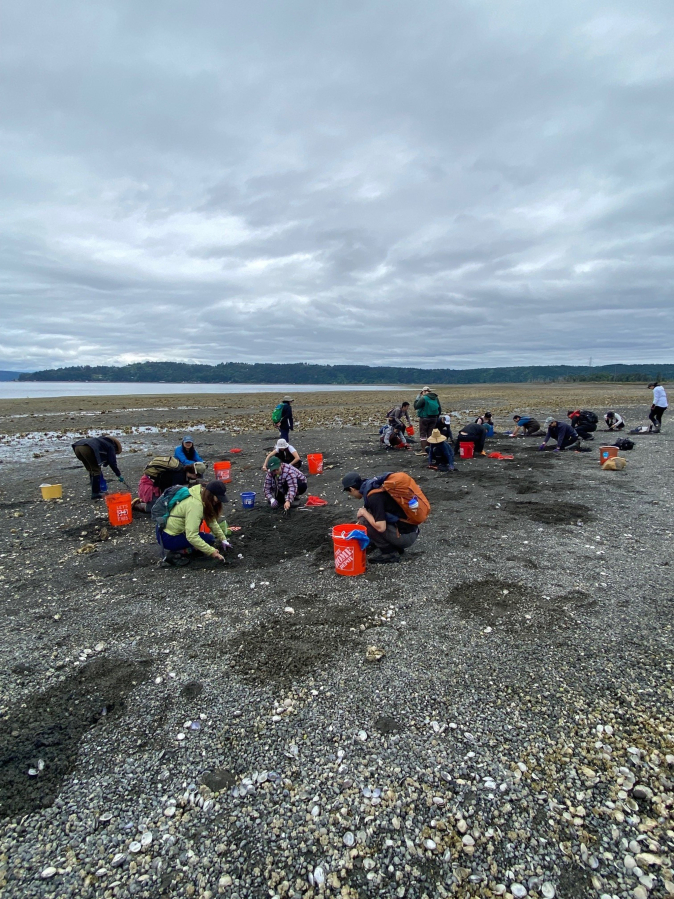
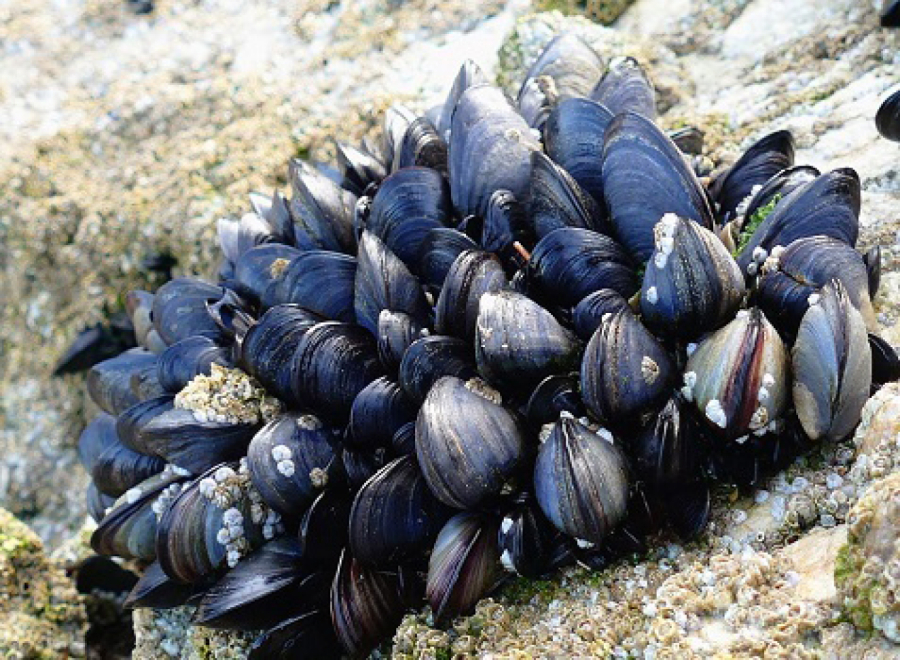
The Washington Department of Fish & Wildlife has proposed rule changes for recreational clam, mussel, and oyster seasons, as well as increasing the size of harvestable cockles, and a reduction in the geoduck daily limit from three to one. They are requesting public comments on the possible changes.

The state is also asking for public comments on the proposed hunting rules for 2026, and bottom fishing rules.

“Minimum size and daily limits help to sustain shellfish beds and keep recreational harvesting opportunities open year after year,” WDFW’s Puget Sound intertidal bivalve manager Camille Speck said in a news release. “Recent shellfish seasons have also seen high turnout — in some cases leading to beach closures.

“By adjusting season dates at certain beaches, WDFW shellfish managers aim to meet co-management harvest sharing agreements, spread out harvest pressure, and conserve these important natural resources for current and future generations.”

These are the proposed changes:

  • Extending or shortening seasons for some public beaches as part of WDFW’s annual season-setting process.
  • Increasing the cockle minimum harvest size from 11/2 inches to 21/2 inches.
  • Decreasing the geoduck daily limit from three to one.

If adopted, the changes would take effect in the 2026 season.

Most of these changes are designed to benefit the Puget Sound area, but they could also affect shellfish enthusiasts in Southwest Washington. Speck said some of the changes could apply to the southern Washington coast.

There are several species of bay clams in both Willapa Bay and Grays Harbor. There is also a public oyster harvesting area in Willapa Bay.

“There is definitely some opportunity there,” Speck said.

Clam species that can be found in the bays include cockles, butters, native little backs, and Manila clams.

“The most impactful rule package, if approved, would be the change in minimum cockle size,” Speck said. “The native little neck, butter clams, cockles, and Manila clams all have a 21/2-inch minimum size. Teasing out the cockle to 21/2 inches, that is a biological justification. The animals do not actually spawn until they are 21/2 inches. We want to give them an opportunity to get to spawning size.”

She noted that there are no permanent rules that restrict public beaches in Willapa Bay, but there are a few exceptions where some areas are closed.

There is also a daily limit reduction proposed for geoduck clams, the largest burrowing clam in North America. Geoducks can be found in much of Puget Sound, but are not typically found in Willapa Bay, even though their range extends south to Baja California. They can be found up to Alaska.

The huge clams are very popular with clam diggers, both for their size and flavor. The reduction of the daily limit has been proposed to keep the population healthy for the future. Rules on geoduck harvest are specific to location, with some areas where they can be found closed to harvest.

Of the areas open for geoducks, managers are sensitive to the need to keep the population in those areas healthy.

“We have to look at each one of these beaches and manage it as a specific area,” said Speck, “and manage for sustainable fisheries in those specific areas.

“Geoducks are slow to grow, incredibly long-lived, and we just want them to be there for the recreational fishery forever.”

She said managers are looking to the future, and trying to slow down the impacts on geoducks in those areas.

For clammers in Southwest Washington the biggest change will be the increase in harvestable size of cockles, one of the easier clams to harvest.

Cockles can often be found just sitting on the surface at low tide, or barely buried, unlike Gaper clams or other burrowing bay clams, which can be two to three feet deep.

Bay clams can be affected by marine toxins, just like razor clams, and would-be clammers should always check the area they wish to clam in for toxin alerts or closures.

Speck urged people to first check the Washington State Department of Health Shellfish Safety Map, where clammers can find out if the area they want to clam in is safe and legal. They can also find information on access and clamming rules in those areas.

The Department of Health website can be found at https://fortress.wa.gov/doh/biotoxin/biotoxin.html

“People can check the public safety map to see if it’s safe and legal for all of these intertidal species along the coast,” Speck added. “We also include seasons. It’s kind of one stop shop. If you are more curious about the site you are going to go to, there are little pop-ups of information in that map. Every one of those popups has links to sites.”

She reminds bay clammers that they must fill back the holes they dig. Also, all clammers must keep their harvest in separate containers, and they must dig their own clams.

The WDFW is encouraging the public to offer their opinions on the proposed changes. Speck said the best way to do so is through the Public Input Form.

Find that form online at https://wdfw.wa.gov/fishing/management/north-falcon/public-input

Proposed rule changes are available online for public review and comment. More information is posted on the 2026 Clam and Oyster Season rule-making webpage.

WDFW will host a virtual public hearing on the proposed rule changes at 5:30 p.m. Feb. 24. Those interested can register for the meeting through Zoom.

The public can provide comment until 11:59 p.m. Feb. 24, through WDFW’s Public Engagement Portal; by email; by voicemail to 855-925-2801, project code 2788; or by mail to WDFW Rules Coordinator, P.O. Box 43200, Olympia, WA 98504.

Hunting proposals

The department is also looking for input concerning hunting rules for 2026, and for recreational bottom fish fisheries.

According to its news release, WDFW is proposing updated rules and regulations for 2026 waterfowl general hunting seasons and for 2026 deer, elk, moose, bighorn sheep, and mountain goat special permit opportunities.

The public comment period is open until noon on March 12.

Bottomfish proposals

Management options for the 2027-2028 coastal recreational bottomfish fisheries will be discussed during a virtual public meeting at 4 p.m. Feb. 17. The meeting will be conducted on Microsoft Teams.

West Coast bottomfish are managed by the Pacific Fishery Management Council (PFMC) on a biennial management cycle. The PFMC is considering harvest levels (annual catch limits) and management measures, such as seasons and bag limits that will affect Washington coastal bottomfish fisheries during the 2027-2028 biennium.

The Feb. 17 meeting will include discussion and public comment opportunities for potential management measures intended to keep the catch within Washington’s recreational harvest guidelines during the upcoming biennium.

Find the news releases for the hunting and bottomfish proposals online at https://wdfw.wa.gov/newsroom

Speck strongly encourages the public to chime in on all the proposed changes.

“Often when we put these things out, we don’t hear from anybody,” she said, “so we would really like to hear from people what they think.”