Camas-Washougal logo tag

Middle earners in county struggling

Report: Many have trouble paying for housing and food

By
timestamp icon
category icon Clark County, News
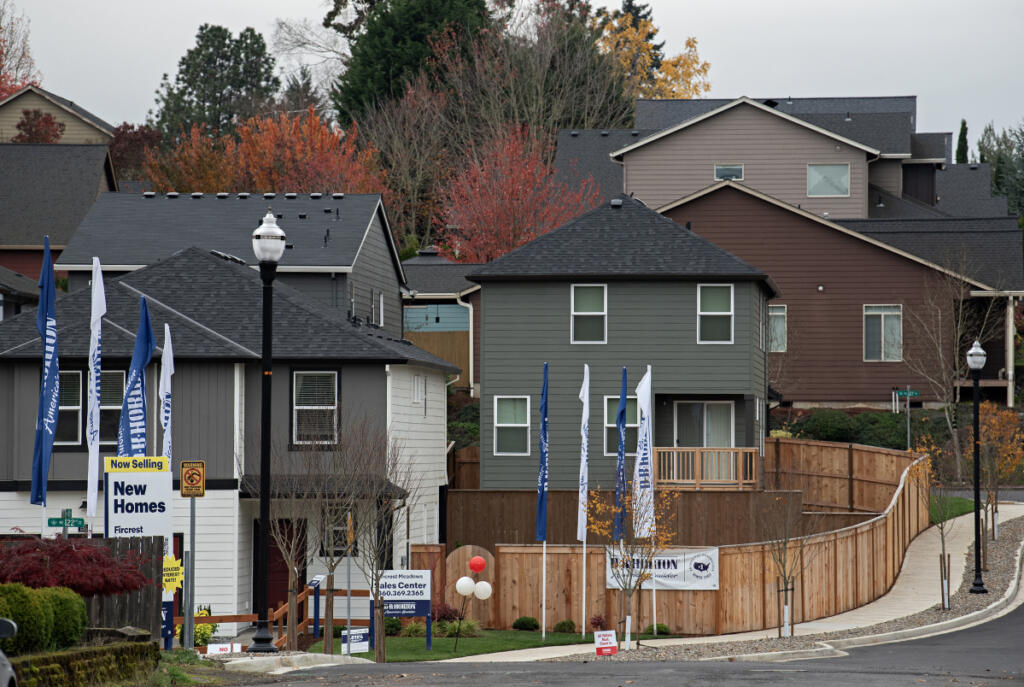
New homes in Fircrest Meadows in Vancouver in November. A report from Brookings shows about 42 percent of middle-income Vancouver-Portland residents cannot afford basic necessities. (Amanda Cowan/ The Columbian files)

From grocery store aisles to gas pumps, rising costs of living are putting many of Vancouver’s middle earners in a financial pressure cooker, according to new data.

A report released last week from the Washington, D.C., think tank Brookings shows that about 42 percent of Vancouver-Portland middle-income residents struggle to afford basic necessities, such as housing and food. The report classifies middle-income households as those making between $31,435 and $160,319.


“A household defined by income as middle class may not feel they are middle class as they struggle to make ends meet,” the report states.

About 42 percent of Seattle-Tacoma-Bellevue residents also cannot afford basic necessities, according to the report.

“Those who cannot afford basic necessities are more likely to go into debt and are unable to save or invest, making them more vulnerable to economic shocks,” the report states.

The report also focuses on how different racial demographics fare amid rising costs while living on a middle income.

According to the report, 42 percent of Black, 49 percent of Asian American, and 61 percent of Latino or Hispanic middle earners cannot afford basic necessities because of the rising cost of living. About 40 percent of white Vancouver-Portland residents cannot afford basic necessities.

The report says these differences are largely due to long-standing racial disparities in income, workplace discrimination, generational wealth and overall access to higher-earning jobs.

A report from Stanford University found Black and Hispanic millennials make approximately $2.40 less per hour than their white counterparts. Between 39 percent and 49 percent of this disparity stems from Black and Hispanic populations’ underrepresentation in higher-paid occupations.