Camas-Washougal logo tag

Cooler temps, unexpected rain dampen wildfire season in Southwest Washington

But officials urge residents to protect their health if conditions change

By
timestamp icon
category icon Clark County, Environment, Health, News
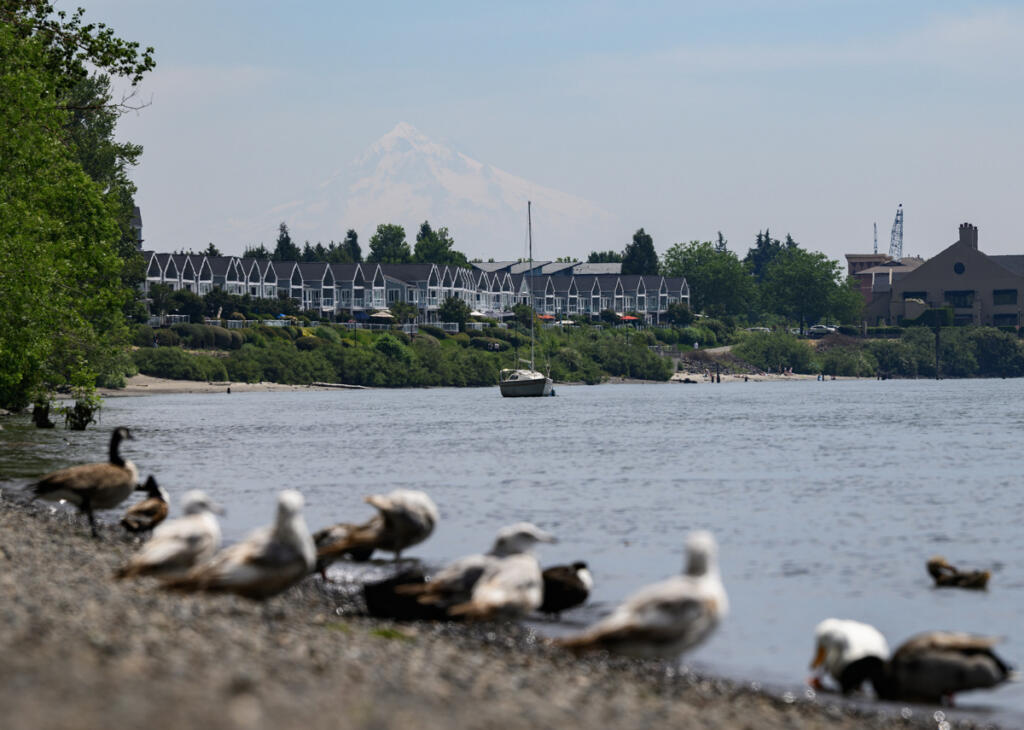
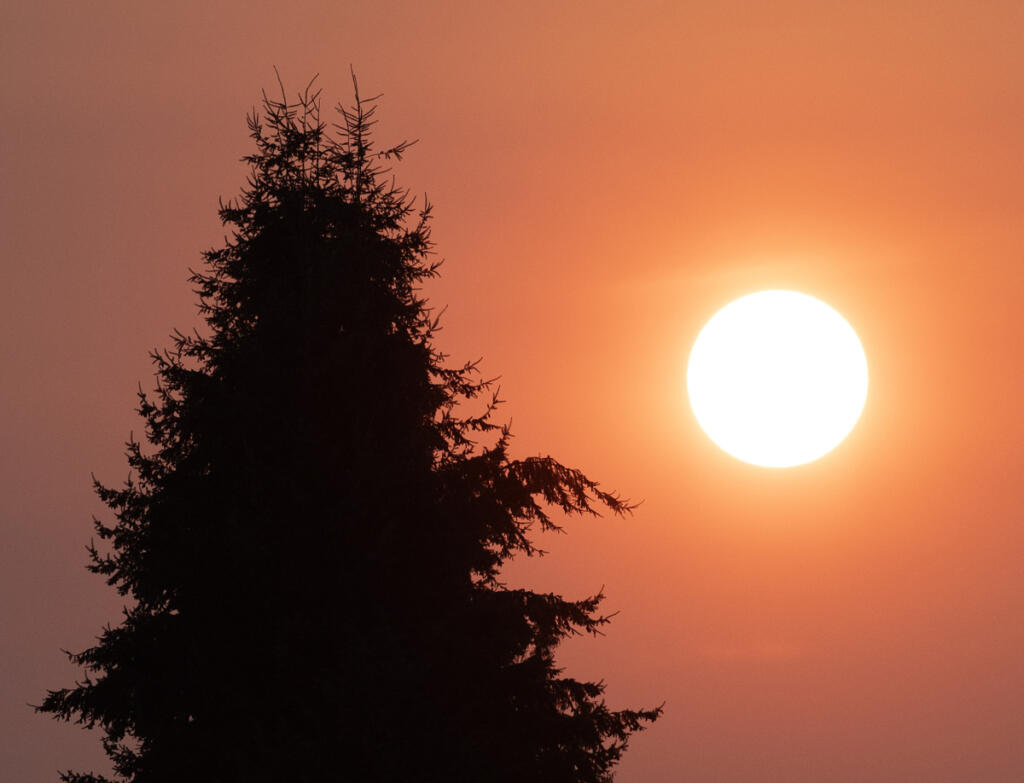
Wildfire season is in full swing, but slightly cooler temperatures and unexpected rainfall in May and June may have helped prevent some of the large, catastrophic fires too often seen in Southwest Washington.

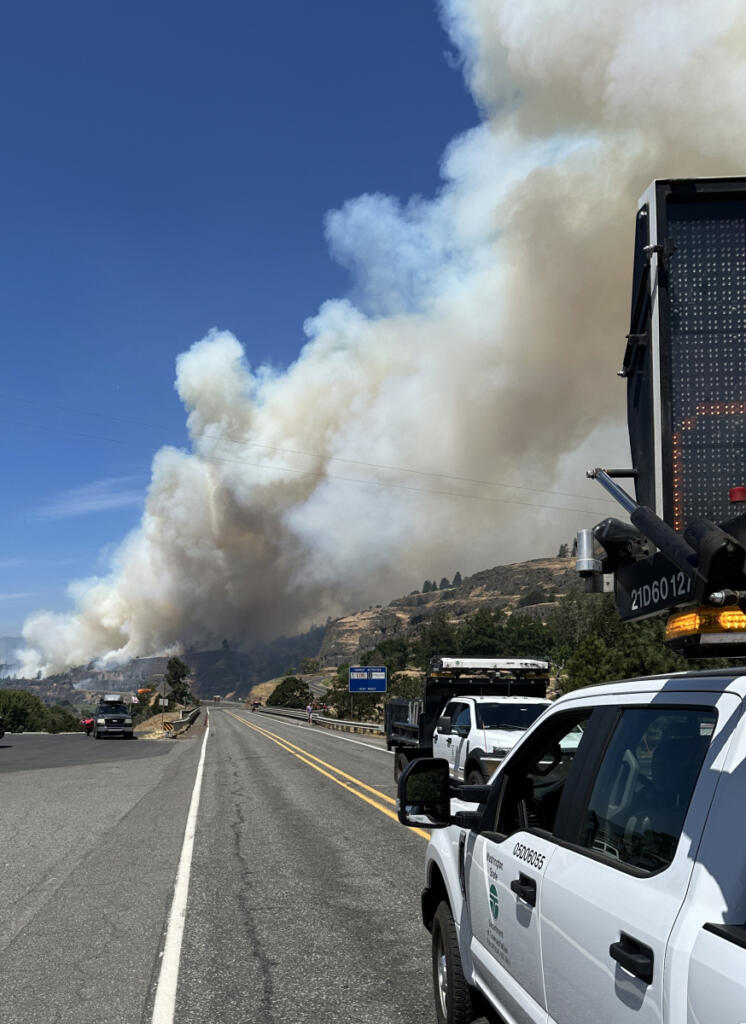
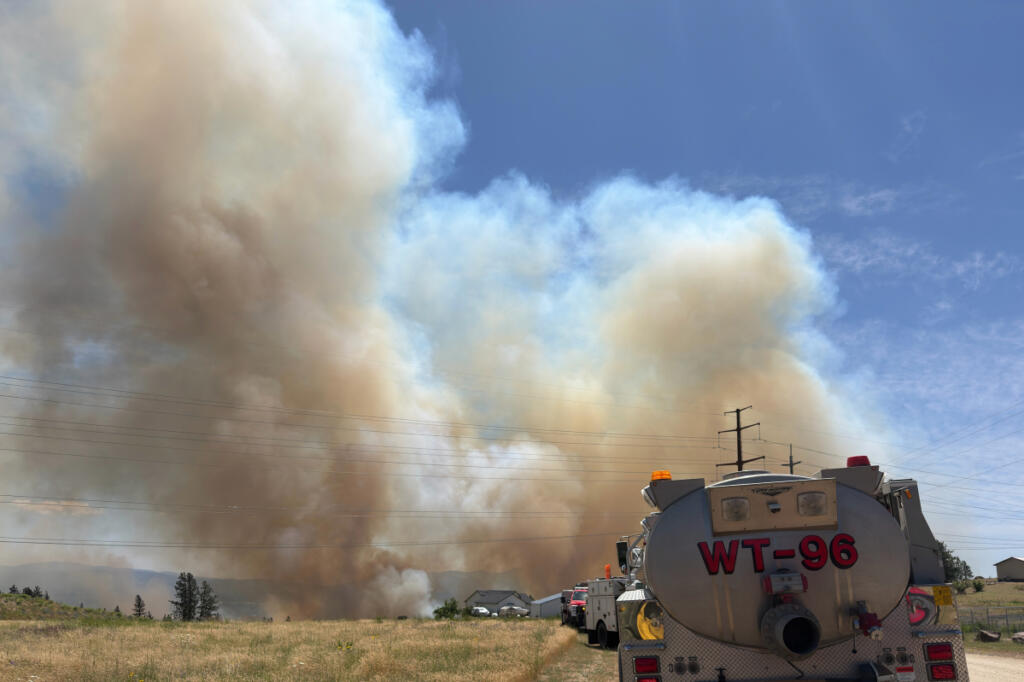
According to the state Department of Natural Resources fire map, three large fires are burning in Klickitat, Walla Walla and Douglas counties. Firefighters continue to battle a fire at the Lyle Cherry Orchard Preserve in the Columbia River Gorge that began June 28. The fire, which is under control but not yet extinguished, has burned about 280 acres and caused some residents to evacuate.


Temperatures and rainfall totals were milder than predicted for late spring and early summer in Southwest Washington.

The forecast included a shift to a La Nina weather pattern, which meteorologists said could bring slightly warmer and drier conditions to the region. While there were a handful of days in June that reached above 90 degrees, there were many days where high temperatures hovered in the mid-60s to low 70s, even late into June.

These cooler temperatures may have helped prevent snow in the mountains from melting off as quickly.

“Going into the summer it was a bit concerning that our snowpack, especially the farther south you go, was running well below normal. But here, in the short term, we’ve been pretty close to average, which considering the last few years, is not a bad place to be,” said Thomas Schuldt, a meteorologist with the National Weather Service in Portland.

In April, state officials declared a statewide drought emergency for the fourth consecutive year due to abnormally low snowpack levels. The state declares a drought emergency when water supply drops below 75 percent and creates hardships for people, farms or the environment. This year, every watershed in the state met that threshold.

Statewide snowpack levels as of April 1 were at 52 percent of average. In the Lower Columbia region, snowpack levels were at 49 percent of average. The statewide level has since dropped to 12 percent and is at zero percent for the Lower Columbia region, which is typical for midsummer.

“Drought conditions do get worse the farther south you go into Central Oregon,” Schuldt said. “The Portland metro area and Southwest Washington are technically not in a drought; they’re in the abnormally dry category.”

As for the remaining summer months, temperatures are expected to be warm, Schuldt said.

“That doesn’t mean that there won’t be stretches where we see things kind of cool off a bit,” he said. “But on the whole, it’s looking like it’s a pretty good chance that temperatures through the rest of the summer are going to trend above normal.”

Dry conditions and warmer temperatures affect more than water supplies. They also set the stage for wildfire season.

Breathing smoke from wildfires can cause serious health issues even for healthy people, Clark County Public Health Director Dr. Alan Melnick said. He urges residents to limit time outdoors and reduce physical activity when the air quality is unhealthy.

“As the air quality gets worse, it can get to a point where it’s hazardous,” Melnick said. “People should take steps to reduce exposure when the air quality is moderate or unhealthy for sensitive groups. When it’s in the unhealthy category and above, everybody should protect themselves by staying indoors, avoiding strenuous activities and spending less time outdoors.”

Children, adults older than 65, people with health conditions, pregnant women
, and homeless and low-income people are at risk of developing health problems if exposed to smok
y air, Melnick said. Symptoms
include sore throat, headaches, burning eyes, coughing, wheezing and shortness of breath — and can lead to life-threatening complications.

“If you’re exposed and you’re having severe symptoms like shortness of breath or chest pain, you should seek medical care,” Melnick said.

Get the latest headlines in your email every week!

This field is for validation purposes and should be left unchanged.

People who must be outside for extended periods of time in smoky air should wear an N95 or N100 respiratory mask, which can provide some protection against wildfire smoke when properly fitted.

While most weather apps show current air conditions, it’s always a good idea to check before going outside or traveling elsewhere in the region. Melnick advises residents to check current air conditions on the Southwest Clean Air Agency’s website , which monitors air quality in Clark, Cowlitz, Lewis, Skamania and Wahkiakum counties and may issue advisories when poor air quality is expected.

Melnick offers these tips for preparing for smoky air conditions:

  • Talk to a doctor about precautions to take when air quality is unhealthy if you have heart or lung disease.
  • Stock up on supplies such as replacement filters for your home’s central air unit, a box fan and filter with a MERV 13 rating to create a box fan filter, or a portable air cleaner with a HEPA filter.
  • Switch the air conditioner in your home and vehicle to the recirculate setting to avoid bringing smoky outdoor air inside.
  • Create a plan for alternatives to outdoor family activities.
  • Consider purchasing a respiratory mask labeled N95 or N100 and learn how to properly wear it.

“Wildfire smoke is not good for the lungs or the heart,” Melnick said.