Camas-Washougal logo tag

Experts warn dead salmon can hurt dogs

Most carcasses carry bacteria that can cause illness, death

By
timestamp icon
category icon Clark County, Environment, News, Outdoors
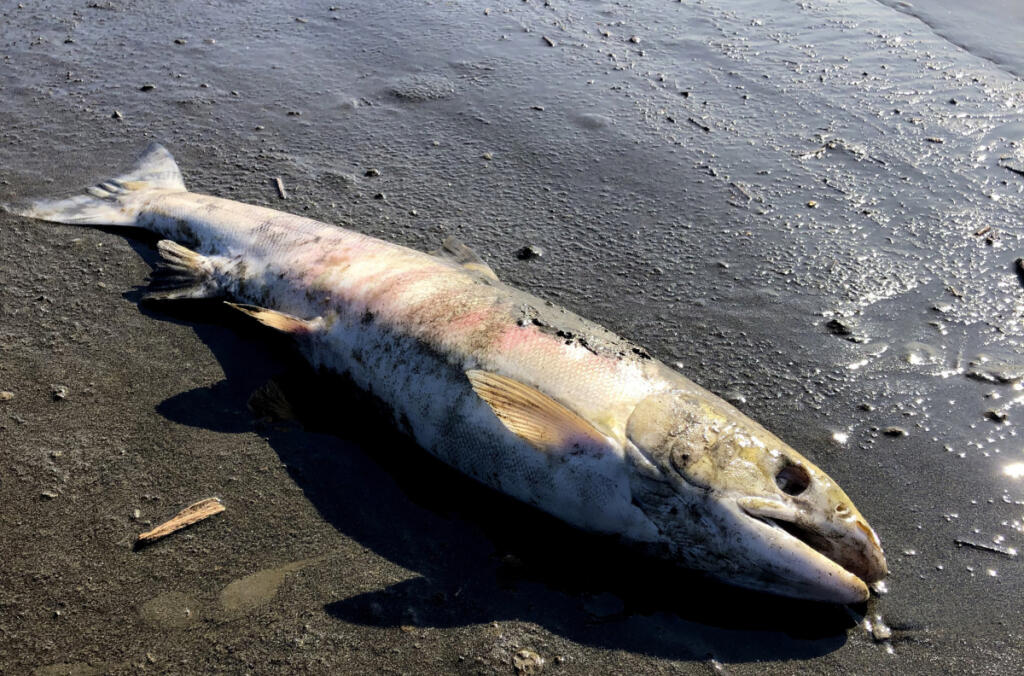
This July 2019 photo provided by Peter Westley shows the carcass of a chum salmon along the shore of the Koyukuk River near Huslia, Alaska. Salmon carcasses can be deadly for canines. (Associated Press files)

If you’ve taken a walk along the Columbia, Lewis or Washougal rivers, or any of the many tributaries that bring salmon to Clark County, you may have noticed an increase in the number of anglers and discarded salmon carcasses along the riverbanks in recent months.

Be warned: Those salmon carcasses can be deadly for canine companions. An estimated 75 percent to 100 percent of wild Pacific salmon carry the Neorickettsia helminthoeca bacteria, which infects certain salmon species — particularly coho, chinook steelhead and trout — through a small fluke (a type of flatworm). When dogs eat raw or undercooked salmon carrying the infected fluke, they can become gravely ill within days.


Marissa Armstrong, communications director for Clark County Public Health, said the department’s recreational water safety team and local veterinarians track salmon poisoning cases and no confirmed cases have been reported this year.

“We heard about a possible case in Woodland back in September, but confirmation testing was not done, so the dog’s death is considered inconclusive,” she said. “We haven’t been notified of any other cases — possible or confirmed — recently.”

DoveLewis, an emergency animal hospital in Portland, reported a near-fatal salmon poisoning incident in February after a 6-year-old border collie mix became infected after coming into contact with salmon carcasses along a neighborhood creek. Another case in Portland made the rounds on social media last month. The animal hospital regularly posts warnings about the risks of salmon poisoning on its website and social media.

“Always supervise your dog closely near rivers, streams, and docks to prevent them from eating raw fish, fish carcasses, fish guts, or Pacific salamanders. Secure trash cans and properly dispose of fish remains to keep dogs from accessing these dangerous items,” according to DoveLewis’ website.

While eating contaminated salmon meat is the most common cause of infection, there are other ways dogs pick up the bacteria. The Pacific giant salamander also carries the disease. Dogs also have become infected by licking or chewing on contaminated fishing gear such as lures, boots, coolers and nets. Infected parasites also have been found in freshwater lakes and rivers where salmon are present and pass on the bacteria when dogs drink the water.

Once ingested, the infected flukes embed in the dog’s intestines, allowing the bacteria to enter the bloodstream. From there, the bacteria spreads to various organs, resulting in the signs of salmon poisoning.

Symptoms typically appear within three to seven days. Behavioral changes can include loss of appetite, extreme lethargy, listlessness, weakness and rapid loss of weight. Physical symptoms include severe vomiting, bloody diarrhea, fever and swollen lymph nodes. Other signs can be eye or nasal discharge, dehydration, and increased heart or respiration rates.

If you think your dog has been infected, seek veterinary care immediately. If left untreated, salmon poisoning disease is almost always fatal for dogs. The mortality rate is around 90 percent.

Treatment includes doxycycline, an antibiotic, to kill the bacteria and praziquantel to kill the fluke worms. Supportive care such as intravenous fluids and medications to combat the vomiting and diarrhea also can be given. Severely ill dogs might require hospitalization for one to two days before transferring to at-home treatment.

Although humans are immune to the bacteria, the fluke parasite carrying it still can infect people if fish is eaten raw or undercooked, causing abdominal discomfort, nausea, diarrhea and an increase in white blood cells.

Cats also are immune to the salmon poisoning bacteria, but eating raw or undercooked salmon or trout can expose them to other bacteria — Escherichia coli (E. coli) and salmonella, for example — and other parasites.

To prevent salmon poisoning in dogs, veterinarians recommend keeping your dog on a leash when walking near rivers or streams to prevent scavenging, cleaning all fishing gear to remove fish slime or scales, and securely disposing of fish entrails, heads and scraps after cleaning fish. Additionally, never feed dogs raw or undercooked freshwater fish. Instead, thoroughly cook fish to an internal temperature of 145 degrees or deep-freeze for a minimum of two weeks to kill any parasites present.