Camas-Washougal logo tag

Barbie rules in Washougal with exhibit at Two Rivers Heritage Museum

Museum puts part of its extensive collection of iconic doll on display

By
timestamp icon
category icon Arts & Entertainment, Life, Washougal
She’s been an astronaut, a surgeon, a president — and now, she’s taking over the northeast wing of the Two Rivers Heritage Museum.

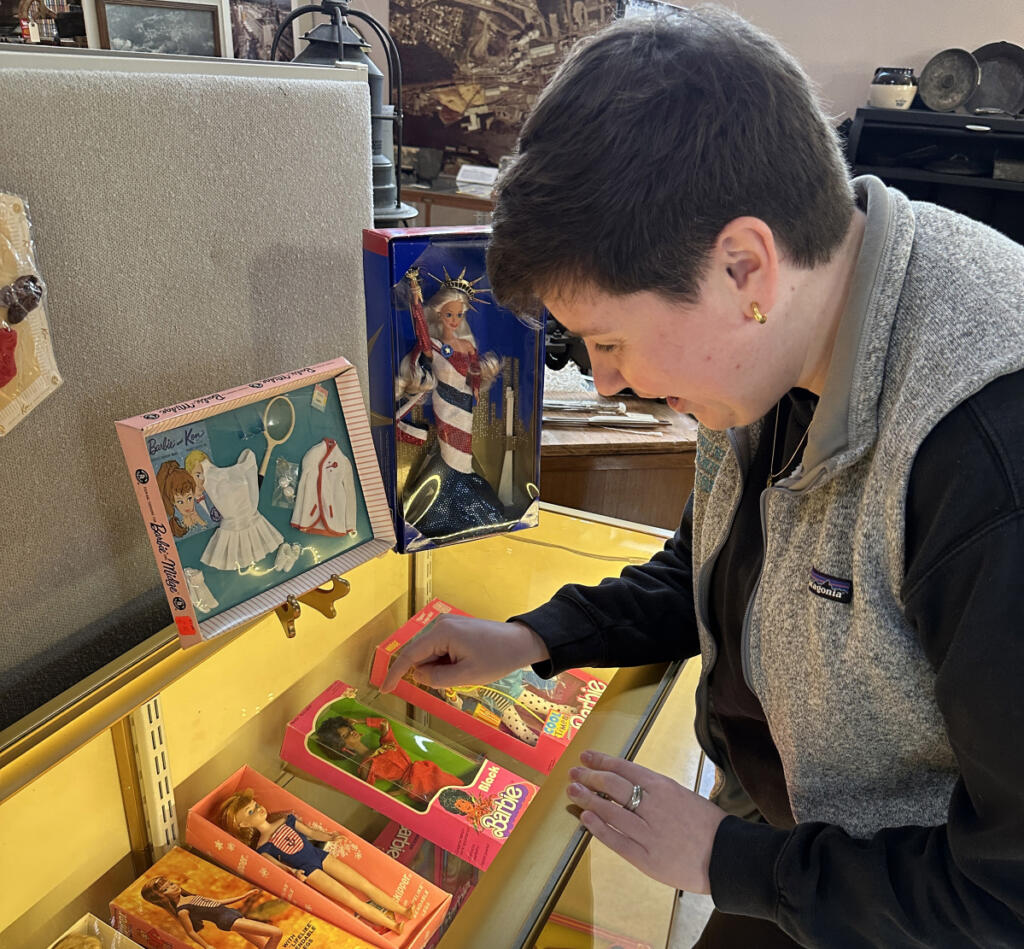
The Washougal-based cultural center debuted a new exhibit featuring selections from its extensive Barbie doll collection upon reopening.


“There’s been some increased interest lately with the ‘Barbie’ movie, so why not bring (the collection) up and focus on it?” said Julianne Lawrence, the museum’s director. “It’s so bright and fun and recognizable.”

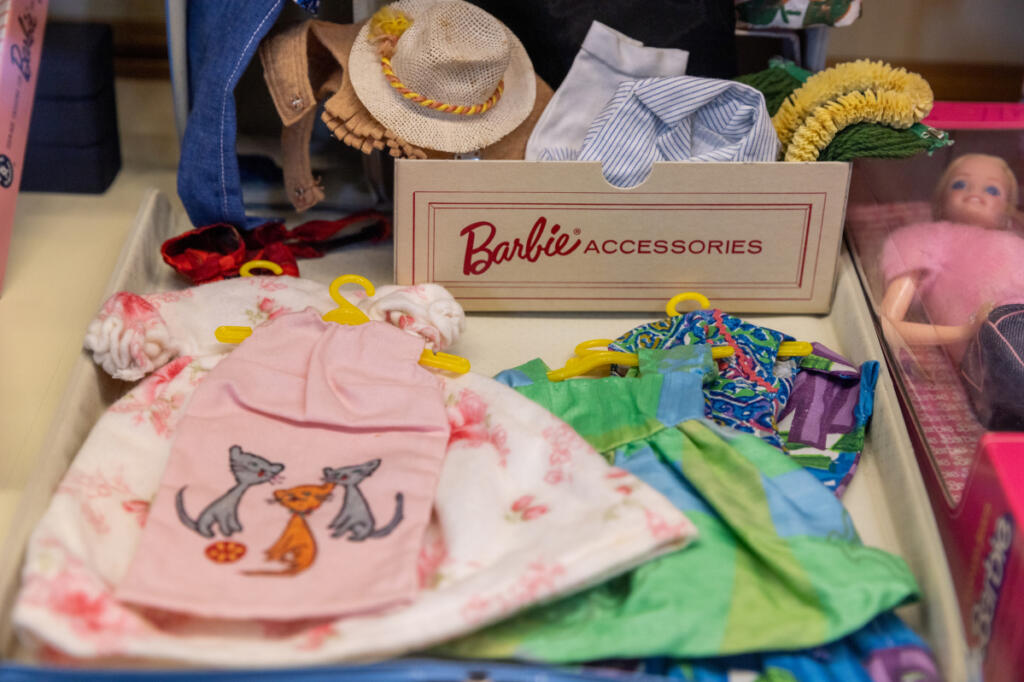
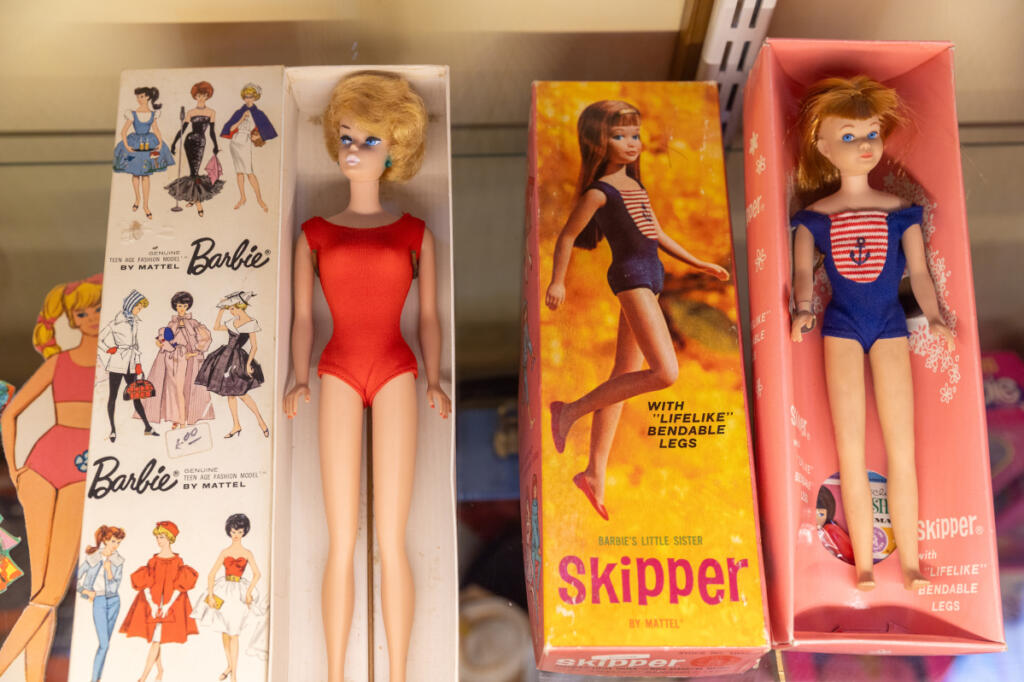
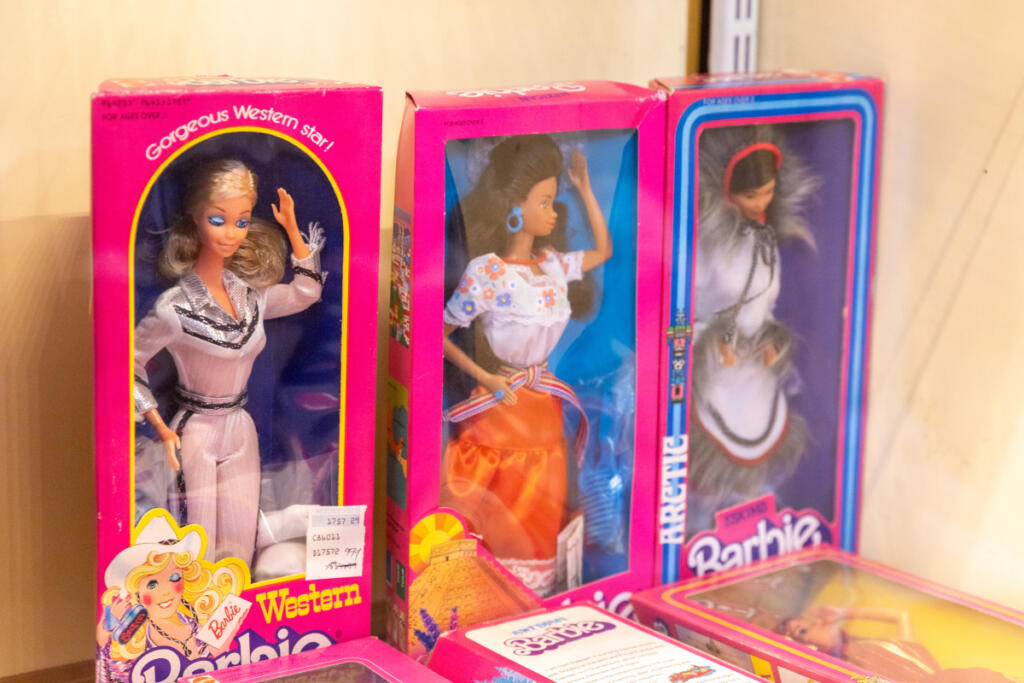
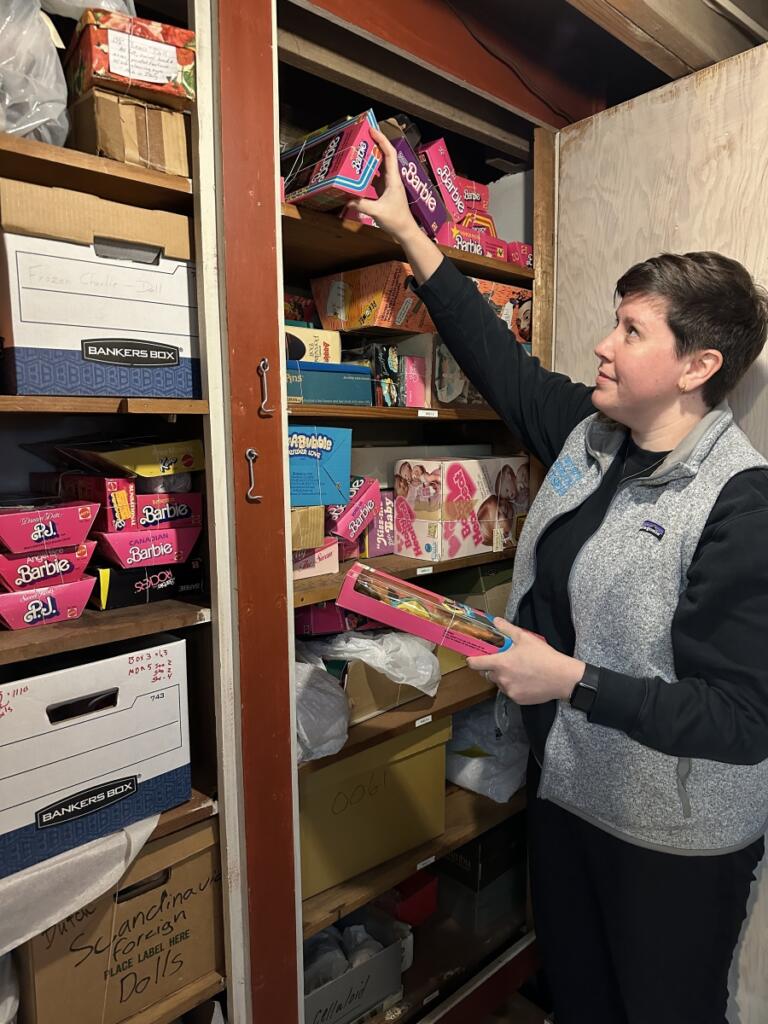
The collection, donated by former east Clark County resident Barbara Heriford’s estate in 1991, includes nearly 60 boxed dolls and 20 accessory sets, while the display showcases 14 dolls, six outfit sets, paper dolls, a Barbie suitcase closet, handmade clothing and a vintage rag doll.

“It’s a hot topic around here,” museum volunteer Richard Johnson said about the display. “It’s fun for the memory to travel down that lane. All the ladies I know have a story about a Barbie.”

Barbie, introduced in 1959 by Ruth Handler and manufactured by Mattel, quickly became a cultural icon, reflecting and shaping ideas about fashion, careers and beauty for generations of children. The brand has evolved over the decades to include dolls of diverse body types, ethnicities and professions, responding to social change and criticism while maintaining its status as one of the world’s most recognizable toys.

“Barbie has always reflected the present time as well as having nostalgic vibes,” Lawrence said. “The dolls have had a huge impact on society. They set a real standard which has continued through so many decades.”

Lawrence said that Barbie dolls played a big part in her own childhood from the moment she received one for her first birthday.

“I had the mermaid Barbie. She was really fun to bring in the bath,” she said. “I also remember having what I would call stereotypical Barbie, the classic blonde Barbie. And ‘Bending Knee Barbie’ was a great time because you could mold it in all sorts of positions and get it into a car much easier.”

Lawrence hopes the exhibit sparks personal memories and reflections about Barbie’s multigenerational impact on culture and society.

“I just remember Barbie being such a blank slate,” Lawrence said. “She could be anything. She could be the superhero, she could be the villain, she could be the president, she could be the baker, the butcher, anything at all.”

The display also highlights the role of handmade accessories. Before mass-produced toys were widely affordable, many families sewed doll clothing at home, making play more accessible while encouraging practical skills.

“To make your own toys, you truly had to use whatever you had around, or beg, borrow or steal,” Lawrence said. “Making your own clothes was a huge way to save money. We’re so disconnected from that now because we are able to get that cheaper, fast fashion, but that was a huge life skill, to be able to make and repair your own clothes. Barbie was a boon for home economics in that way.”

All of the displayed dolls remain in their original packaging, which Lawrence said helps preserve them and adds historical context.

“The boxes protect dolls from dust, light and skin oils,” museum volunteer Karen Johnson said in a press release. “They’re often visually appealing and tell part of the story. For collectors, original packaging also adds value.”