Camas-Washougal logo tag

Searching for answers to game farm issues

Nitrates getting into water from pheasant manure

By
timestamp icon
category icon Clark County, Outdoors, Sports

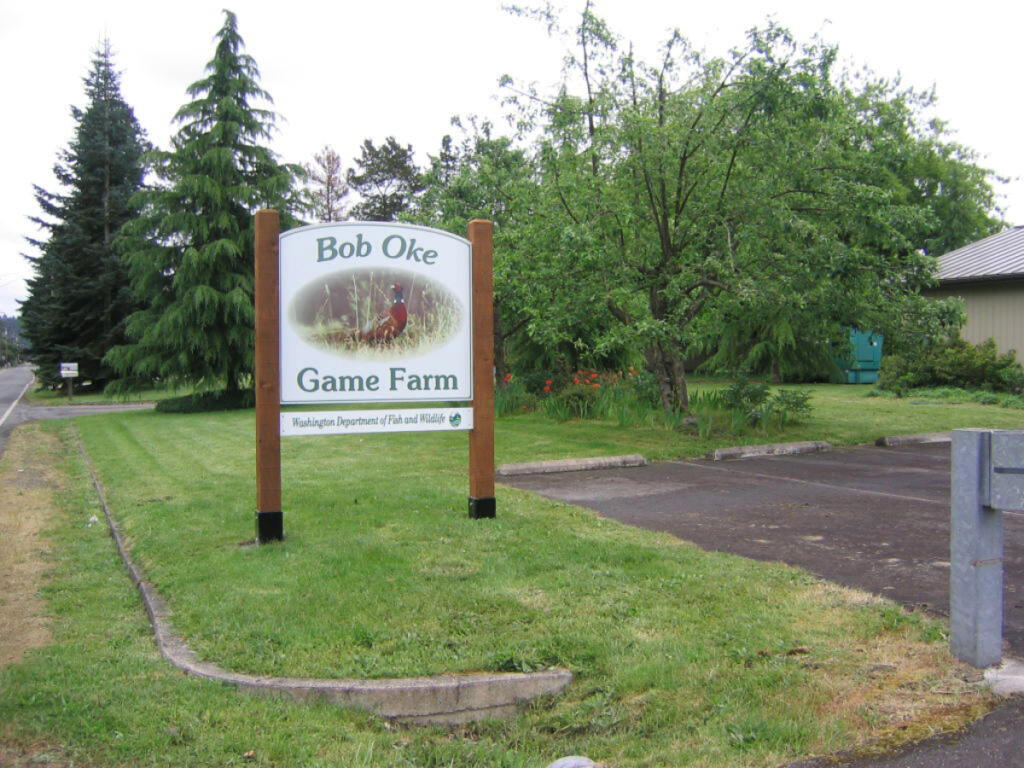
Washington House Bill 2668, which would have provided substantial funding for the Washington Department of Fish & Wildlife to look for an alternative site for the state-run Bob Oke Pheasant Game Farm near Centralia, did not pass in the recent legislative session.

However, there is some limited funding available to conduct a search as the WDFW continues with mitigation plans for the farm’s current location.


The game farm is suspected to be a contributor to the nitrates found in the aquifer below the farm, and is spreading into local residential wells.

Chris White, a Pheasant Release Program Specialist for the WDFW, said that the department is taking the threat to the ground water seriously, and is moving forward on multiple fronts to address the pollution.

“We are committed to addressing our nitrates at the facility,” said White, “with our primary goal being eliminating any nitrates from this facility from entering the aquifer.

“We appreciate and share the concerns everyone has in the surrounding area, and from the city of Centralia, and the challenges the residents have had.”

White reported that the legislature did provide $50,000 through a proviso to begin a search for a possible alternative site for a game farm.

“The proviso is one avenue of figuring out the parameters around relocation, and then we also believe that there are other options that may be more cost effective.

“But, while that search progresses, the current plan will be for the department to enact broad mitigation efforts to stop the nitrates from the bird manure from moving into the aquifer.”

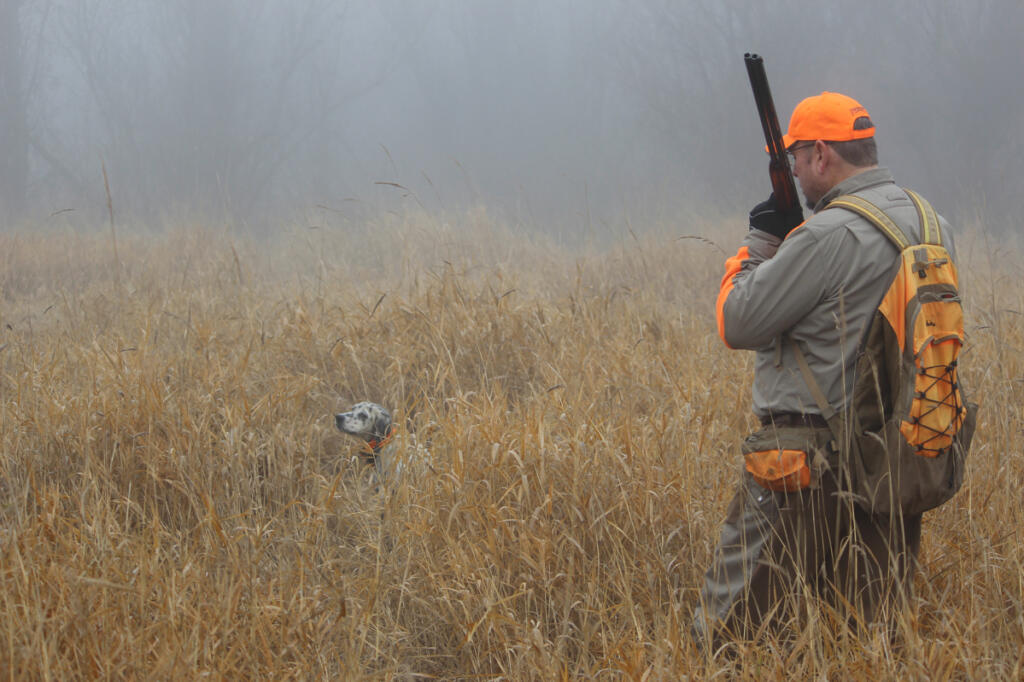
The Bob Oke Game Farm raises pheasants for the state’s pheasant release program. The released birds provide an opportunity for hunters to enjoy upland bird hunting locally.

Western Washington offers very few opportunities for upland bird hunters, and this program is extremely popular with local hunters.

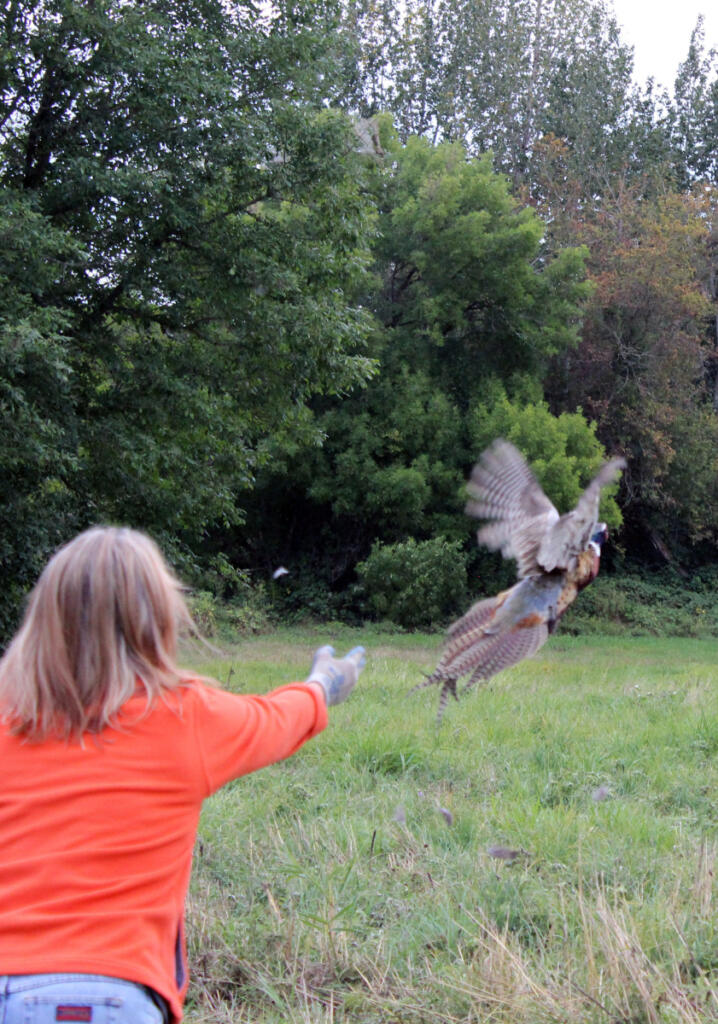
The birds are released at several sites within the Shillapoo Wildlife Area, located just west of Vancouver. The releases are spread over a 12-week season in the fall.

The problem arose after several wells in the immediate area tested positive for nitrates. Suspicion centered on the large amounts of pheasant manure produced by the farm, and there is a portion of the nitrates that are linked to the farm from that manure.

White said the department has partnered with other agencies to develop a plan to mitigate the pollution.

“We have voluntarily secured a Concentrating Animal Feeding Operation Permit through the Washington Department of Ecology,” he said. “That permit is in conjunction with a memorandum of understanding from the Department of Agriculture, who comes out and helps with best management practices and does onsite assessment.

“We are also working with the Lewis County Conservation District in a voluntary stewardship program. All three partners together helped develop best management practices, so we believe it can continue operating at the current location without contributing to the nitrates.”

White listed some of the measures the department has enacted, including planting poplar trees that absorb nitrates, planting rye, moving birds off the areas most prone to releasing nitrates, monitoring the groundwater around the farm on a quarterly basis, and reducing the number of birds being raised on site by 40 percent. These are just a few of the actions White mentioned.

They have also followed recommendations from the Department of Agriculture and the Lewis County Conservation District that involve rotating the birds’ locations, and the possibility of adding holding tanks that would collect the manure for proper disposal.

Other options may include using the facility for hatching only, and distributing the birds to satellite locations elsewhere.

Or, they could supplement with adult birds coming into the facility, and distributing out from there. That would drastically reduce the number of birds, not only in the facility, but also in the flight pens. They could also just eliminate the flight pens altogether.

Even with the extra funds needed to address the issue, it is still less expensive for the department to raise the birds, instead of buying them straight up from a breeder.

“There would be a competitive bid process, but a rough idea of what we would need would be in that million-dollar range for 35,000 birds,” White said. “The program generates roughly $400,000 a year, leaving that shortfall of $600,000, and that estimate would not include all the contract management.

“It’s a bit of a muddy picture, but it would cost more.”

Even though the farm produced 40 percent less birds last year, White said the Western Washington program only saw a reduction of about 30 percent in its releases.

Vancouver received 3,180 birds over the 12 weeks of release in 2025, and hunters will see just about the same number of birds in 2026.

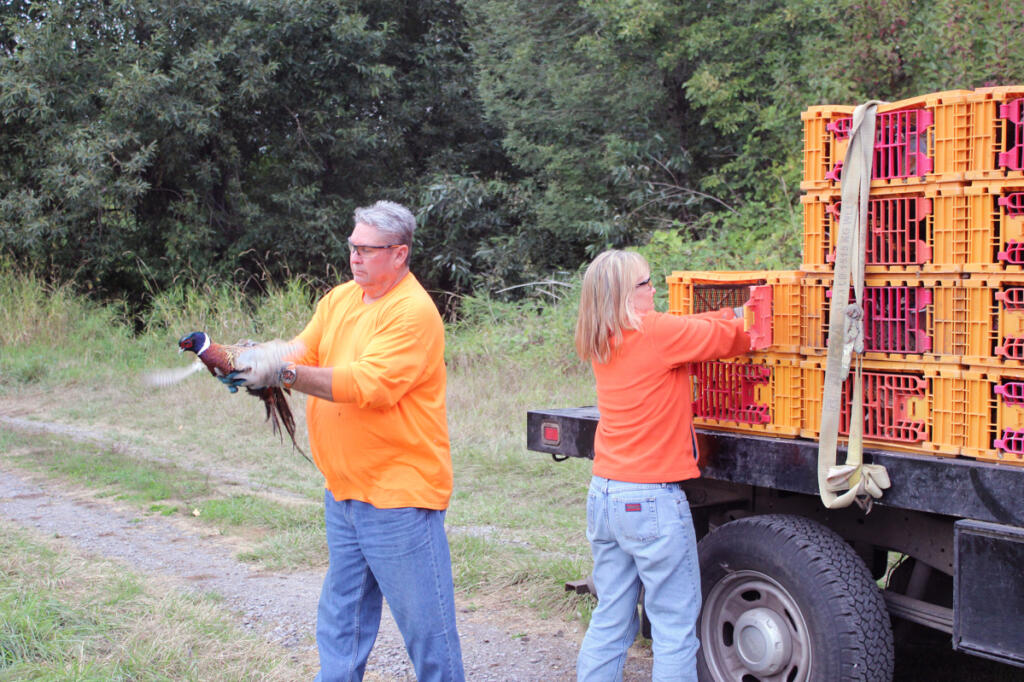
Also, the birds need to be trucked from the farm, and released twice a week into the wildlife area. This work is currently carried out by volunteers from the Vancouver Wildlife League, a club that White had high praise for.

Get the latest headlines in your email every week!

This field is for validation purposes and should be left unchanged.

“The Vancouver Wildlife League has been a huge help through the entire time that I have been here, for the last 22 years,” White said. “They are not only picking up and releasing the birds, they are bringing up any challenges that may be associated with the program in those areas.

“We have had really wonderful people there. It would be a real challenge without them, and all the hunting opportunity that they provide.”

Problems and challenges remain for the program, but with the measures being taken, and with the strong help of volunteers, this program may still provide local upland bird opportunities for hunters, and their dogs, for the foreseeable future.