Camas-Washougal logo tag

North of Falcon process ongoing; returns projected as just less than ’25

Chinook, coho salmon returns expected to be similar to last season

By
timestamp icon
category icon News, Outdoors, Schools

Columbia River and Washington coast salmon seasons are being discussed through the complicated North of Falcon process, and will probably be finalized by the end of April.

Overall, both chinook and coho returns are expected to be very similar to last year, as are the seasons.


The North of Falcon process gathers state, federal and tribal fishery managers and other stakeholders to plan the Northwest’s recreational and commercial salmon fisheries.

During the process, local anglers will have a chance to comment on the proposals via a public meeting that will be held April 2 in Ridgefield.

Columbia River total fall chinook returns in 2026 are projected to be 651,300, a slight decrease from the 2025 actual return of 685,429.

The Upriver Bright segment, which are chinook headed to the Hanford Reach, should see a return of 281,600 adults.

The Pool Bright segment, which are chinook headed to the Columbia River pools above Bonneville Dam, are expected to see a return of 106,500.

Both of these figures are slightly lower than the returns of 2025.

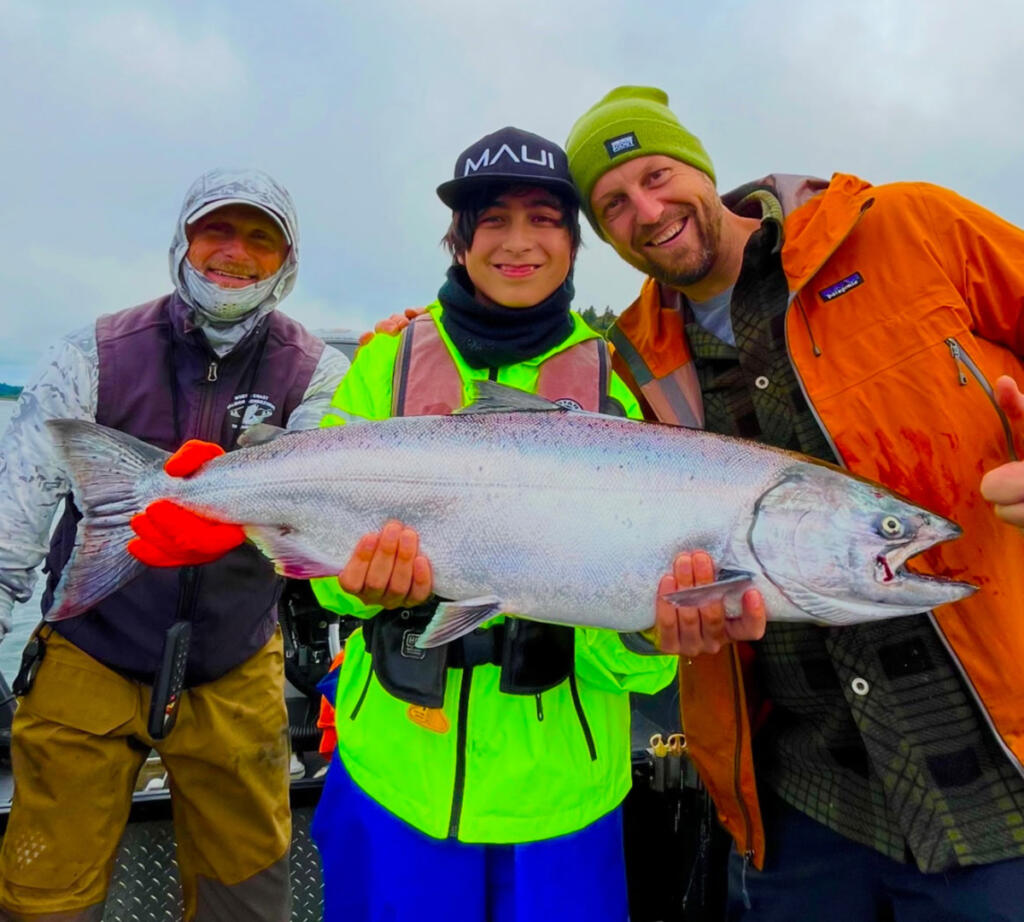
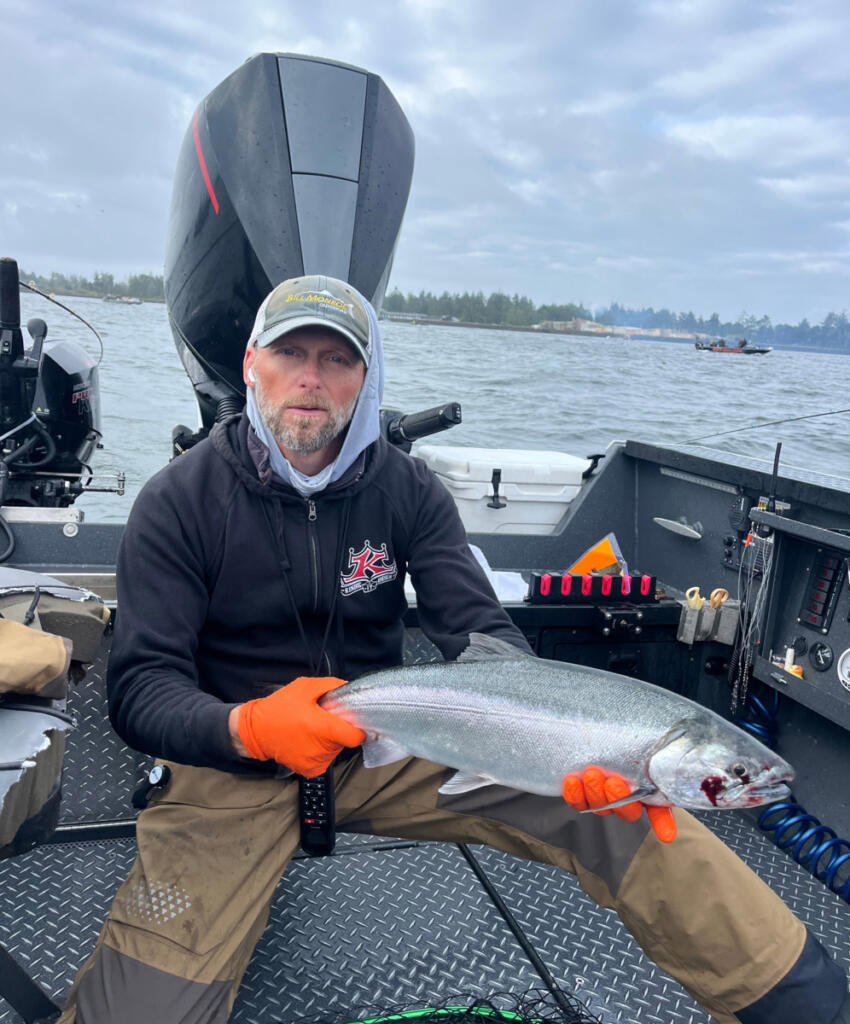
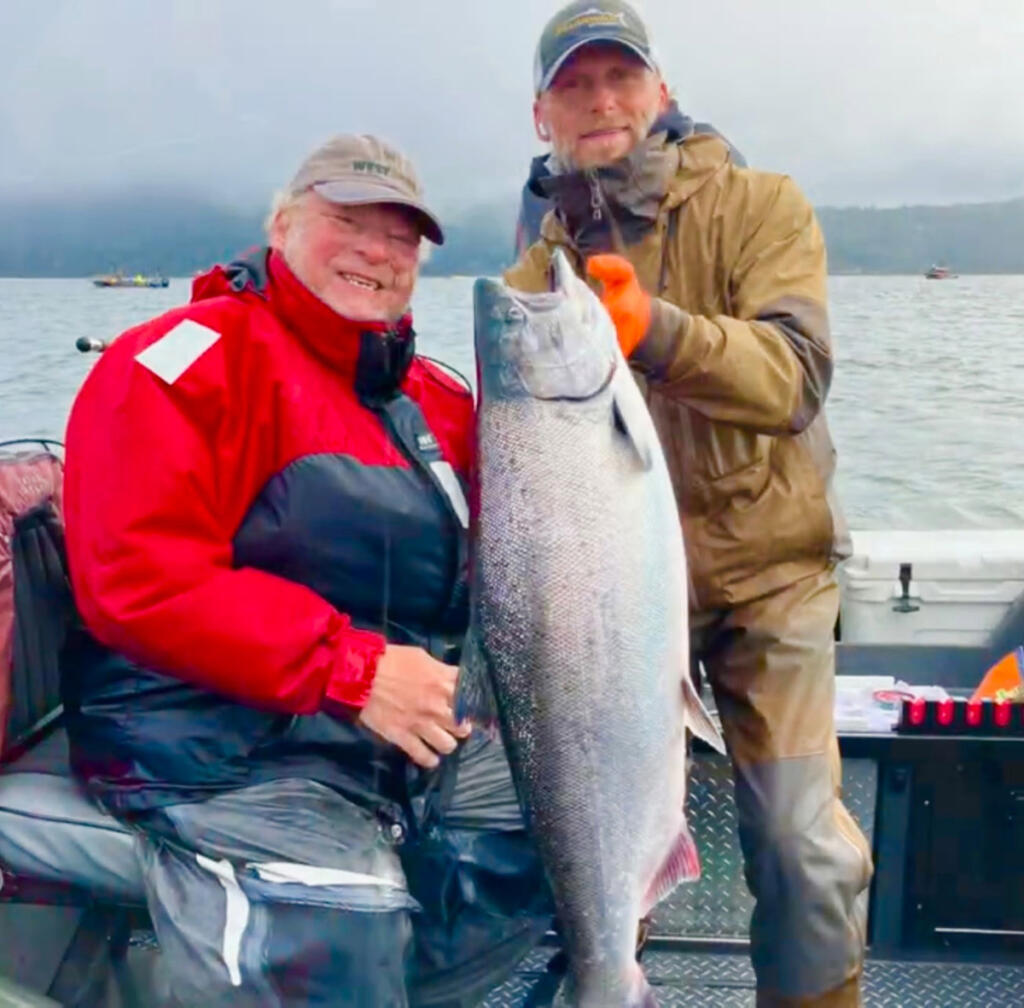
Fishing guide Bill Monroe Jr., of Bill Monroe Outdoors reports that with the forecasts and seasons expected to be so similar to 2025, he is hopeful for another good season at Buoy 10.

“The chinook return is almost identical to last year, and I think what we are going to see is a complete copy of last year’s seasons,” he said.

Lower River Hatchery stocks, which are the hatchery-produced tule chinook, should come in at 118,600. The Lower River wild tule return is expected to be 15,800.

These numbers point to healthy tule stocks, which have in the past been a constraint on chinook fisheries. There should be no issues with these runs this year.

“A long time ago we had a tule issue,” Monroe said. “It was not good for anybody. To have that not be too much of an issue feels pretty good.”

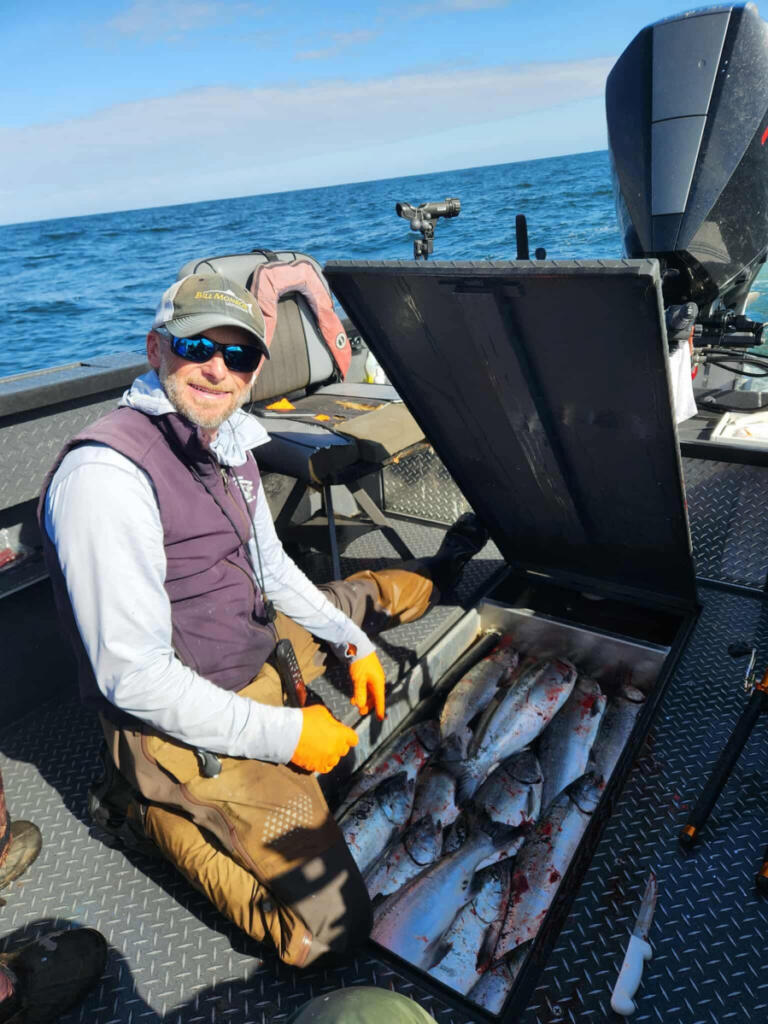
Monroe said that last year’s Buoy 10 and ocean seasons provided him with one of his best salmon seasons ever, and he thought that the 2025 regulations were a success.

The in-river mark-selective fishery, where only adipose fin-clipped chinook could be retained, was instrumental in allowing a full season without an early closure. That has happened a number of years in the past.

“It worked very well,” Monroe said. “It went off without too much of a hitch. As far as the numbers and the way the system worked, that was pretty good opportunity.

“Last year I had one of the better fishing years I have ever had,” continued Monroe. “I am optimistic as all get out for this year.”

A lot of anglers have complained about releasing bright chinook without a clipped adipose fin, but Monroe said it is the only way to get a full season of chinook fishing at Buoy 10.

Fall salmon seasons will probably be announced toward the end of April, but Monroe expects a virtual repeat of last year.

Coho fishing

Coho projections for the Columbia River are up slightly from last year’s actual returns.

The 2026 projected total of Columbia River coho is for a return of 511,200, which would best last year’s actual return of 479,700.

The early component of the run is expected to be 327,300 adults, including 274,300 hatchery fish. The late returning segment should be 183,900 adults, with a hatchery component of 108,500.

Coho returns to coastal rivers are expected to be healthy, too, with Willapa Bay expecting 127,123 coho, and Grays Harbor should see a return of 165,215.

Summer chinook

The only real downside Monroe sees for this year is the dismal returns of summer chinook, projected at 41,000 adults, which is below the actual return last year of over 43,000, and is too low for a retention season again this year, following a number of years with no retention.

“I think the main touching point is that we are not going to have a summer chinook season, and that is concerning,” Monroe said. “That used to be a big thing with a lot of people, and that is virtually gone.”

The returns are dropping just as fishery managers expected a boost from a substantial increase in tribal hatchery smolt stockings. Monroe said fisheries managers are struggling to figure out why returns are so poor.

Ocean salmon

Ocean salmon seasons will also be decided within the North of Falcon process, too, and the seasons are expected to be a bit better than last year.

Three options have been posted for the ocean salmon seasons, but they won’t be finalized until the North of Falcon process is ended. All of the options provide more fish to be harvested than were allowed last year.

Check the proposed options online at https://wdfw.wa.gov/newsroom/news-release/wdfw-seeks-public-input-2026-ocean-salmon-fishery-proposals

River waters

One issue that may be a challenge this year is water quality during the in-river fisheries. The record low snow pack in the west could lead to water that is too warm. It may shape up to be similar to 2015, when drought and high-water temps killed three quarters of the sockeye salmon that entered the Columbia River.

For fall coho and chinook, these temperatures could produce what is called a thermal barrier. If the Columbia water temperatures climb over 70 degrees, it can compel salmon to stay in the estuary as they wait for the water to cool before heading upstream.

This can cause catch rates to climb in the Buoy 10 fishery, with the result that the quotas and mortalities may force managers to close chinook retention early. It can also mean poor fishing in the river above the estuary during the early part of the season.

There is still a lot for fisheries managers to hash out as the season-setting process moves forward, but it does look as if upcoming salmon fisheries in-river and in the ocean offer a lot for anglers to get excited about.

Keep track of the North of Falcon process by going to the WDFW North of Falcon webpage at https://wdfw.wa.gov/fishing/management/north-falcon

A North of Falcon public meeting is to be held April 2, and will discuss Columbia River fisheries, ocean fisheries, and more.

The in-person meeting will be from 10 a.m. to 2 p.m. Public comments on proposed fisheries will be taken during the meeting.

The meeting will be at the WDFW Ridgefield Region 5 Office, 5525 South 11th Street in Ridgefield.

Get the latest headlines in your email every week!

This field is for validation purposes and should be left unchanged.