Camas-Washougal logo tag

School shopping takes off

Clark County families get early start at Vancouver Mall, other retailers

By
timestamp icon
category icon Clark County, News

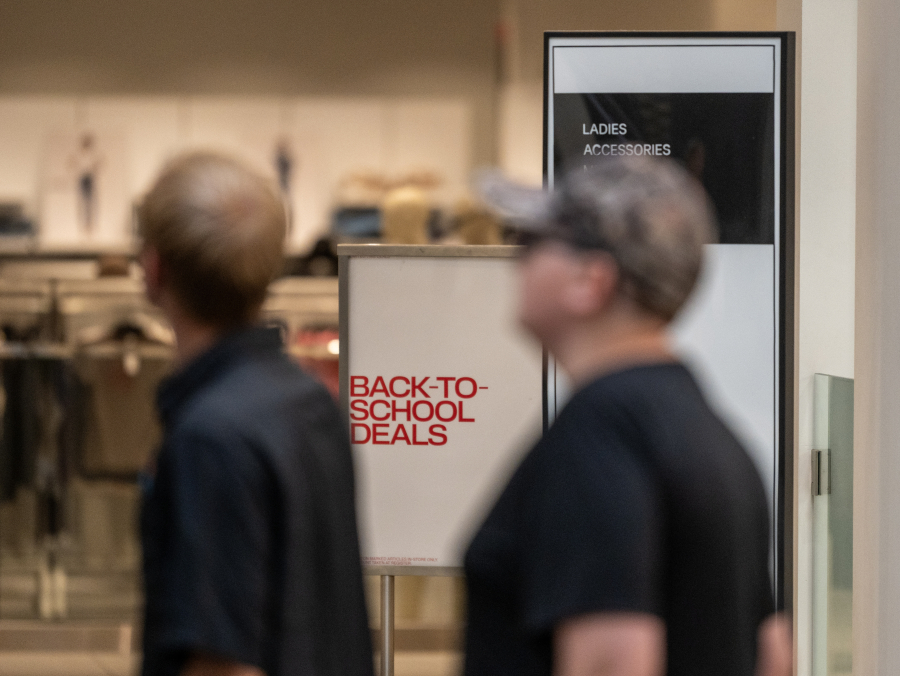
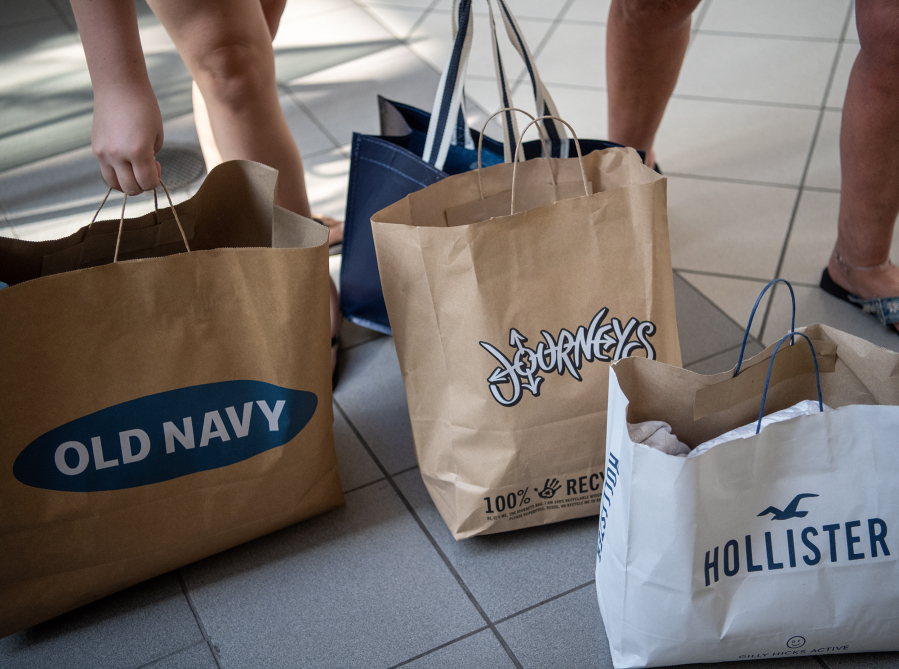
Clark County shoppers got an early start on back-to-school shopping this year, many anxious about tariffs.

Two-thirds of shoppers nationwide already began purchasing items for the upcoming school year by early July, according to a survey from the National Retail Federation.


Tracy Peters, senior general manager at Vancouver Mall, said the back-to-school shopping season this year has been more energized than in recent years.

“Families are starting earlier, spending a bit more per trip and placing equal value on style, durability and convenience,” Peters said in an email Wednesday.

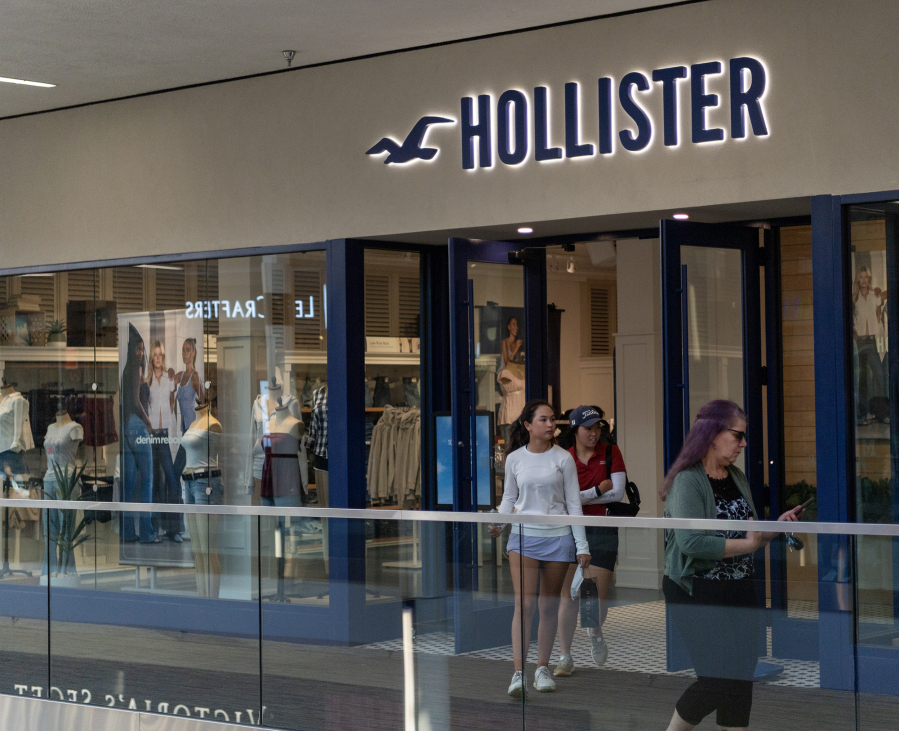
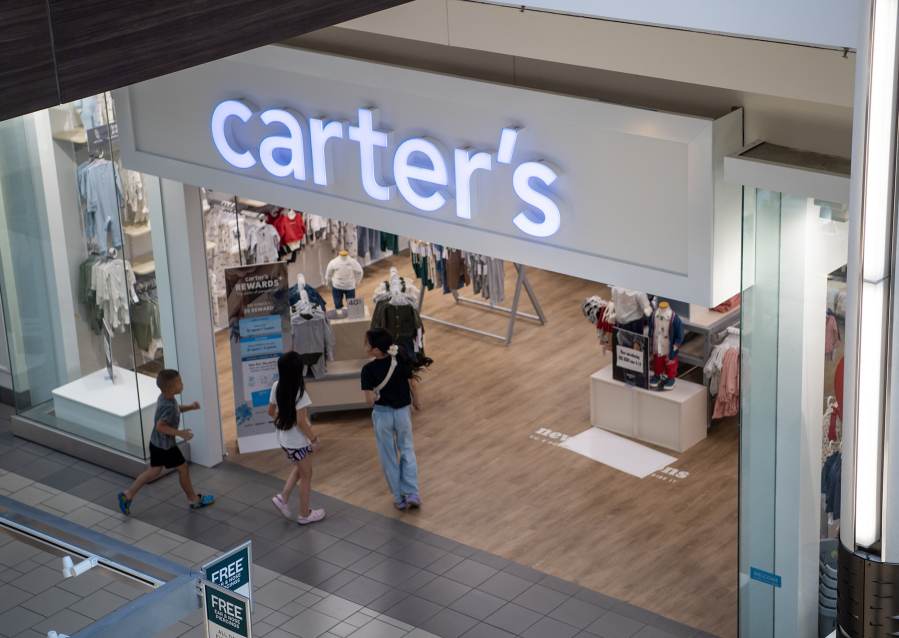
Families who walked through the mall this week were laughing and stopping to try on shoes or clothes. Mall patrons could see signs of the times, however. A layaway advertisement hung in one shop window, harkening back to the Great Recession when that was common practice.

The National Retail Federation said half of shoppers surveyed were starting early because they’re concerned about the impact tariffs could have on their back-to-school shopping sprees.

Tariffs on typical back-to-school items rose 13 percent in the past year, according to a report from the U.S. Chamber of Commerce.

The report showed tariffs averaged 21.15 percent on backpacks in May and June of this year, 22.36 percent on pens and mechanical pencils, 16.06 percent on pencils and crayons, 31.03 percent on erasers, 13.60 percent on binders and 4.23 percent on paper. All were higher than their effective tariff rates last spring.

The average effective tariffs on clothes and shoes in May and June was 25.19 percent, up from 13.56 percent.

The region’s latest inflation metric, meanwhile, has shown inflation has risen 2.7 percent compared with June 2024.

Get the latest headlines in your email every week!

This field is for validation purposes and should be left unchanged.

Peters said her team hasn’t seen tariffs significantly impact back-to-school shopping at the mall this year.

“While there have been some modest price adjustments in certain categories, families are balancing their desire for value with a willingness to invest in quality, style and durability,” Peters said.

Mall brands have also tried to manage costs and offer strong promotions, she said.

“Tariffs may be a background factor, but they haven’t slowed the enthusiasm or momentum of the back-to-school season,” Peters said.

Back-to-school shopping, expected to total $39.4 billion nationwide this year, is Target’s second biggest season of the year, according to the retail giant’s latest earnings call.

Brian Cornell, CEO at Target, said during the May call the company’s merchandising team was working to mitigate the impact of tariffs.

“The difficulty level has been incredibly high, given the magnitude of the rates we’re facing and a high degree of uncertainty on how these rates and impacted categories might evolve,” he said.

Cornell said his company was focused on supporting American families and their budgets.

“We have many levers to use in mitigating the impact of tariffs and price is the very last resort,” he said. “Our strategy is to remain price competitive by leveraging the capabilities, long-standing relationships and the scale that set us apart from many of our retail peers.”

Other discount stores, including Walmart and Kroger-owned Fred Meyer, all advertised low prices for family essentials like school supplies going into the back-to-school shopping season.

Ron Sargent is interim CEO at Kroger, which also owns Dillons, Food 4 Less and QFC. He said in a June earnings call tariffs haven’t had a material impact on the company.

“Where we do see potential tariff impact, we are proactively looking for ways to avoid raising prices for our customers, and we consider price changes as a last resort,” he said.

Kroger customers, still, are looking for more value, Sargent said.

“The Kroger Co. is well-positioned to support our customers’ changing shopping habits,” he said.

Sarah Wolf: 360-735-4513; [email protected]