Camas-Washougal logo tag

Cost of plastic bags to rise 4 cents

Success of WA effort to ban single-use plastic up for debate

By
timestamp icon
category icon Clark County,

Shoppers in Washington will soon begin paying 4 cents more per plastic bag at grocery stores and other retailers. The price for plastic bags will increase to 12 cents a bag, plus tax, on Jan. 1, but the bags themselves won’t be any thicker.

Bags were allowed to remain a minimum thickness of 2.25 mils after the Legislature postponed an increase to 4 mils until 2028. The previous single-use bags were 0.5 mils. According to the state Department of Commerce, about 800,000 businesses will be affected by the price increase.


The price of paper bags will remain 8 cents per bag. Retailers and restaurants using bags that are 4 mils thick or greater must charge an additional 4 cents (16 cents total) until Dec. 31, 2027.

Customers who shop with food assistance benefits cards are exempt from paying the per-bag fees. Additionally, the single-use plastic bag ban does not apply to food banks.

It’s now been four years since the state’s ban on single-use plastic bags went into effect, but the success of the ban remains up for debate. The goal of the ban was to reduce the amount of plastic ending up in landfills and recycling centers, in streams and along shorelines.

A recent study from University of Washington researchers hired by the state Department of Ecology found that although the total number of plastic bags sold during the first two years of the ban dropped by half, the total weight of plastic bags used by shoppers actually increased by 17 percent.

“Unfortunately, the study presents insufficient data on the overall quantities of bags distributed, carryout bag prices paid by retailers, or reuse rates within Washington to effectively measure the law’s impact across the required categories,” said Carolyn Bowie, a waste reduction and recycling specialist with Ecology.

Bowie said the study was a good start, but more information and further analysis is needed to understand the bag ban’s environmental, social and economic impacts.

“Without this information, it’s difficult to determine the law’s effectiveness,” she said.

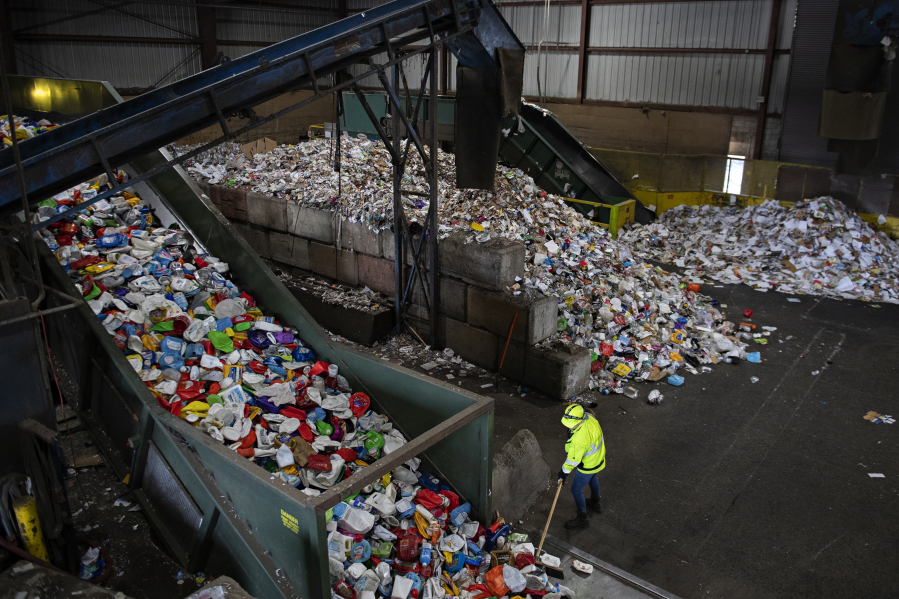
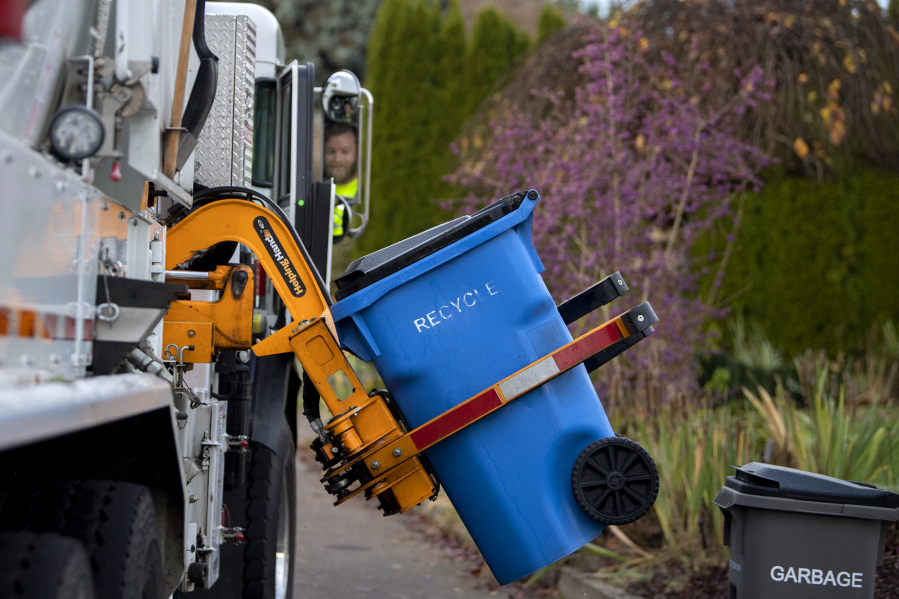
Waste Connections of Washington in Vancouver is seeing similar results at its recycling center. Each year, Waste Connections selects certain routes throughout the county and looks at what customers are putting into their recycling carts.

While workers don’t count every individual bag that comes in, they do sort, separate and weigh the sampled material by category — cardboard, glass, plastic, paper, etc. Last year, the total weight of plastics coming into the facility remained unchanged from prior years.

“We noticed a slight increase of about 2.4 percent in the total weighted items from the study,” Waste Connections spokesperson Josh Brown said. “As before, we believe this is primarily due to the heavier bags adding more weight.”

Bowie said it will be up to shoppers to change their buying habits to effect any real change. According to the study, for the single-use plastic bag ban to be effective in reducing plastic use by weight, the number of plastic bags distributed to customers on an annual basis would have to fall by 78 percent, she said. That’s because the reduction in the number of bags sold is offset by the heavier weight of the newer bags, which are 4.5 times thicker and contain 4.45 times more plastic by weight, she said.