Camas-Washougal logo tag

‘The eyeliner sold it’: Miss Clark County fights for victims of human trafficking

May Dearing uses pageant platform to advocate, raise awareness of human trafficking

By
timestamp icon
category icon Clark County, Life

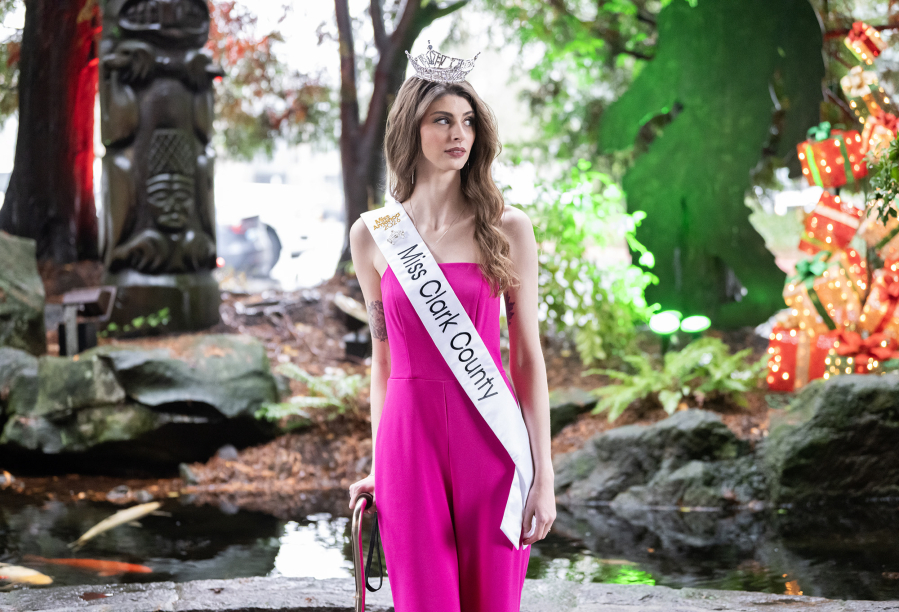
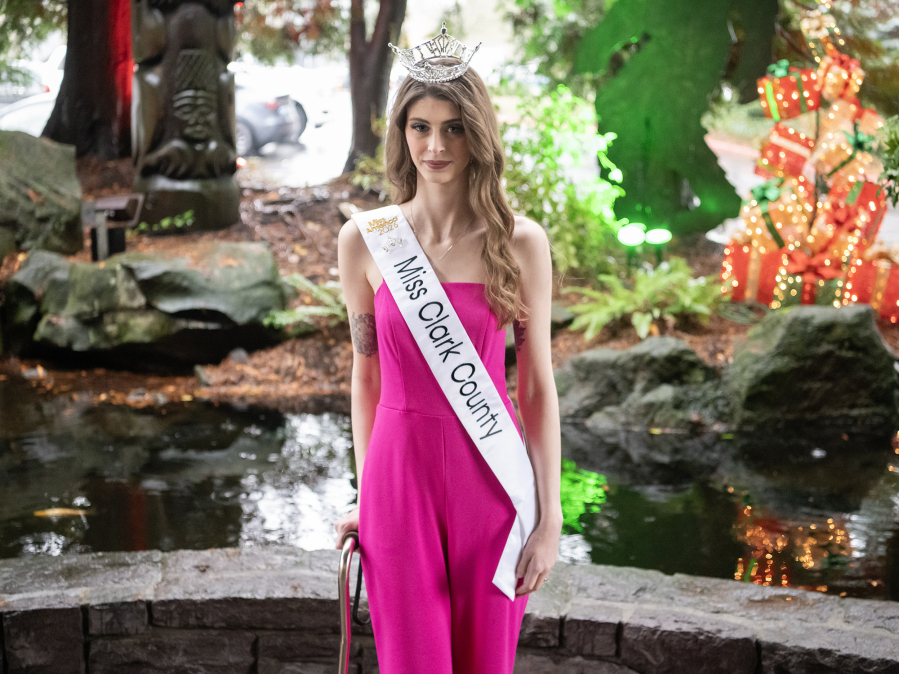
For years, May Dearing has advocated for human trafficking victims. It wasn’t until she was crowned Miss Clark County in November that she felt she was taken seriously.

“I’ve done the work. I’ve been on the ground. I have taken the classes. I’ve got the degree. And for some reason, the eyeliner sold it,” said Dearing, 27.


She found her calling in social work when she was 17 and competing on Clark College’s speech and debate team. She was assigned human trafficking as a topic. About that same time, she learned an internet friend had escaped from her trafficker.

“I slowly learned that she was being trafficked, and through her story and her escape, it became something that I cared a lot about, because it had happened to somebody I loved, and I had opened my eyes to the fact that it existed,” Dearing said.

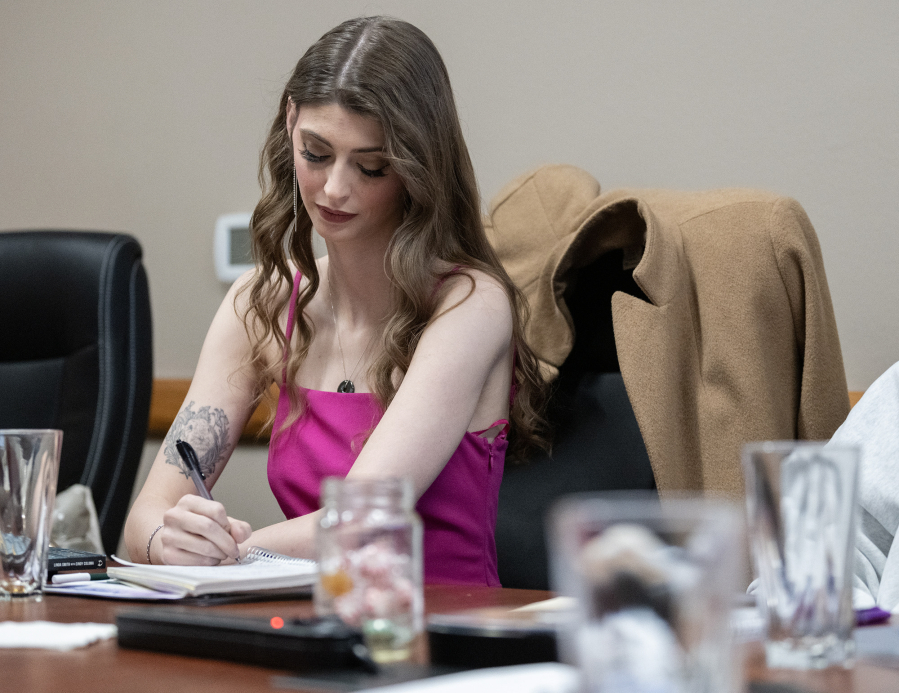
She discovered pageants as a scholarship opportunity while looking for ways to pay for her master’s program in social work at Portland State University.

“I got into the pageant scene and realized this was a really good platform for me to be sharing about human trafficking, because it’s a really hard issue and it makes people uncomfortable, so adding a little bit of sparkle to it made people more willing to talk about it,” Dearing said.

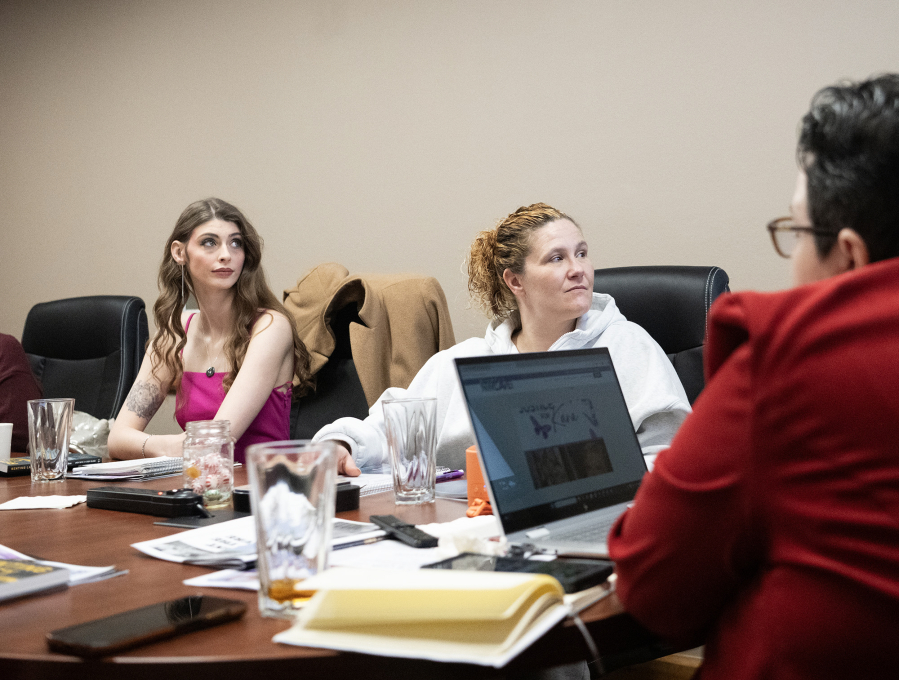
The pageant scene also offered Dearing something else unexpected: acceptance. She has Ehlers-Danlos Syndrome, a connective tissue disorder that requires her to use a cane. In her day-to-day life, Dearing felt ostracized due to her disability, but on the pageant stage, it was different.

“There was nothing in it that was treating me like less than the same,” Dearing said. “With the teens, they just know that I’m the person with Band-Aids and who’s willing to give them hair spray.”

The Miss America Organization provides $5 million in scholarships a year at the local, state and national level, according to the nonprofit’s website.

In addition to the scholarship, each title holder is required to launch a yearlong community service initiative. Dearing created Healing Empowerment Liberation and Protection, or HELP, for hers. The Miss Clark County title has supercharged her efforts, when before, Dearing had difficulty getting nonprofits and human trafficking resources to agree to work with her.

Get the latest headlines in your email every week!

This field is for validation purposes and should be left unchanged.

Dearing spoke at Innovations Human Trafficking Collaborative’s gala Nov. 21 in Lacey. She has also volunteered with human trafficking resources in Clark County and used her social media platforms to spread awareness about the issue.

“My goal for the year is to bring more awareness to the issue for lawmakers and law enforcement, and also to help create a system of communication in all these different organizations,” Dearing said.

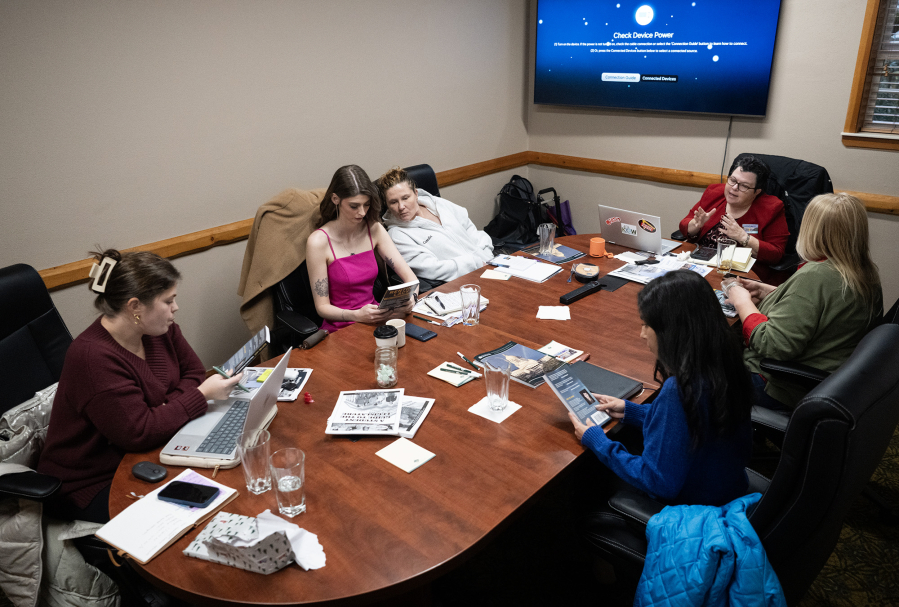
This week, Dearing attended the National Women’s Coalition Against Violence & Exploitation’s advocate training for survivors going through the legal system.

Although the National Human Trafficking Hotline received 32,309 calls in 2024, up from 29,272 in 2023, Dearing actually finds that to be an encouraging sign. It means outreach is working, and victims are seeking help, she said.

“Right now, it looks like more people are trusting the hotlines and more people are trusting the programs, which means we’re doing something right,” Dearing said. Dearing is looking to continue advocating for better human trafficking supports even after her reign as Miss Clark County ends in November 2026.

“It’s not something that I’m doing just to become Miss Clark County or just become Miss Washington,” Dearing said. “It is something I take very seriously — that I was trusted, and I’ve been trusted by the organizations to speak with them and to speak for them. … That goes way past the pageant.”


About the project: This story was made possible by Community Funded Journalism, a project from The Columbian and the Local Media Foundation that is funded by community member donations. The Columbian controls all content. For more information, visit columbian.com/cfj.