Camas-Washougal logo tag

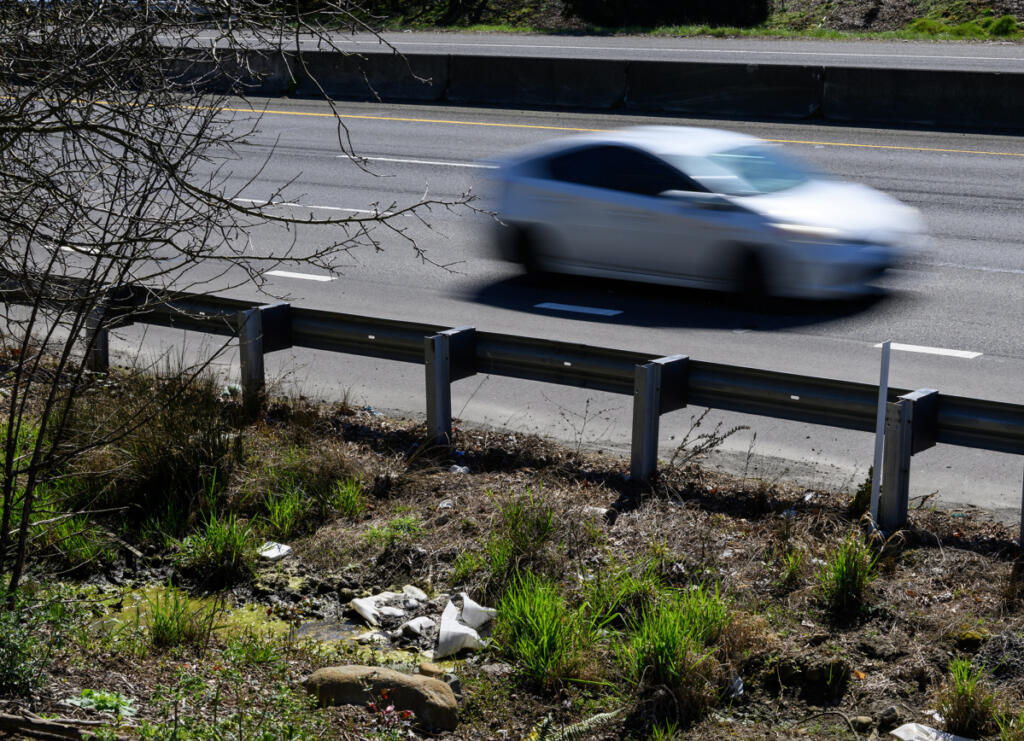
Local highways trashed: Volunteers who pick up litter strive to get to source of problem

East County Citizens’ Alliance expands mission to get local, state leaders involved

By
timestamp icon
category icon Camas, Clark County, Environment, News, Washougal
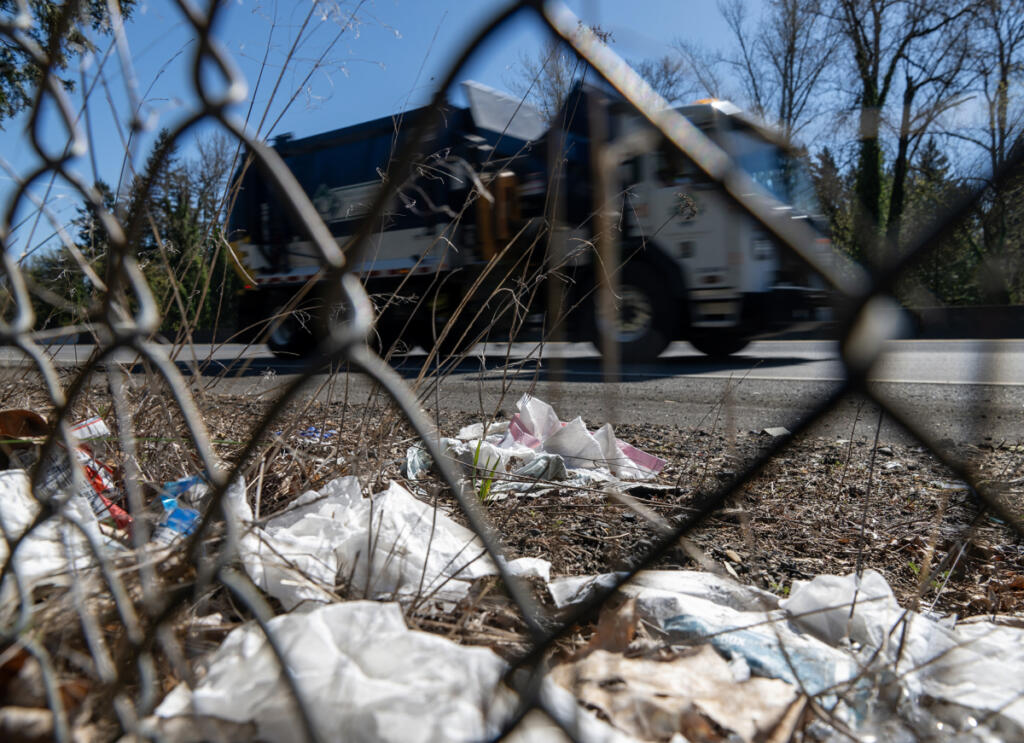
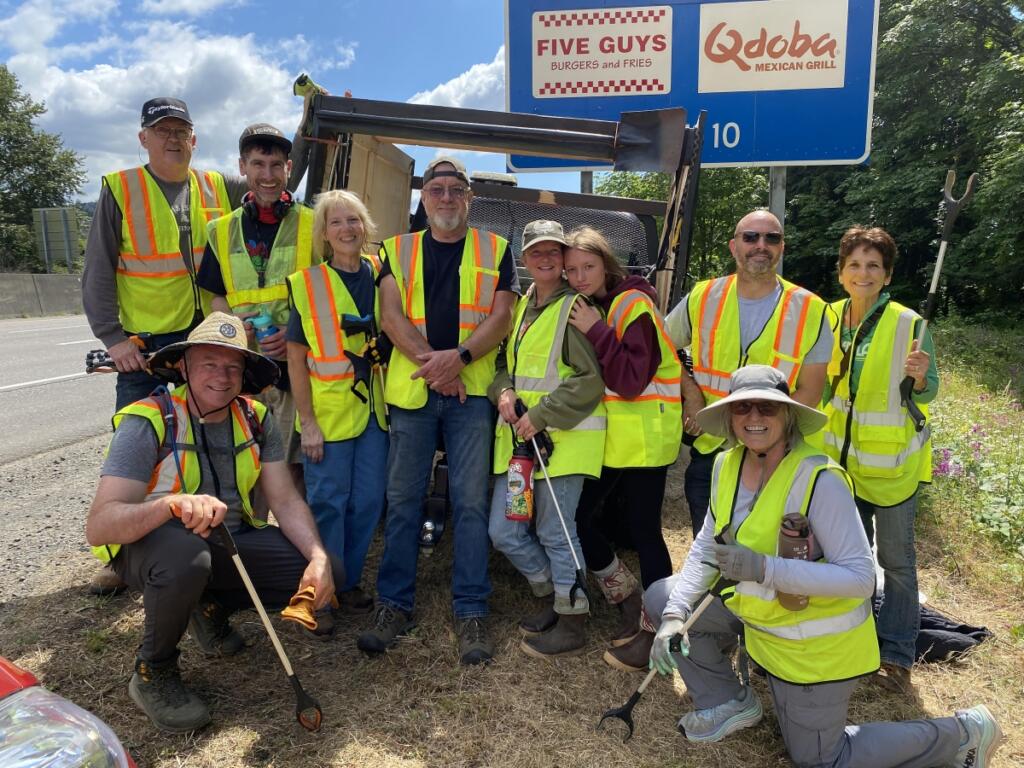
The nonprofit East County Citizens’ Alliance has mobilized volunteer crews to clean stretches of state Highway 14 through Camas and Washougal since 2022. In that time, the volunteers removed an estimated 24,000 pounds of trash under the Washington State Department of Transportation’s Adopt-a-Highway program.

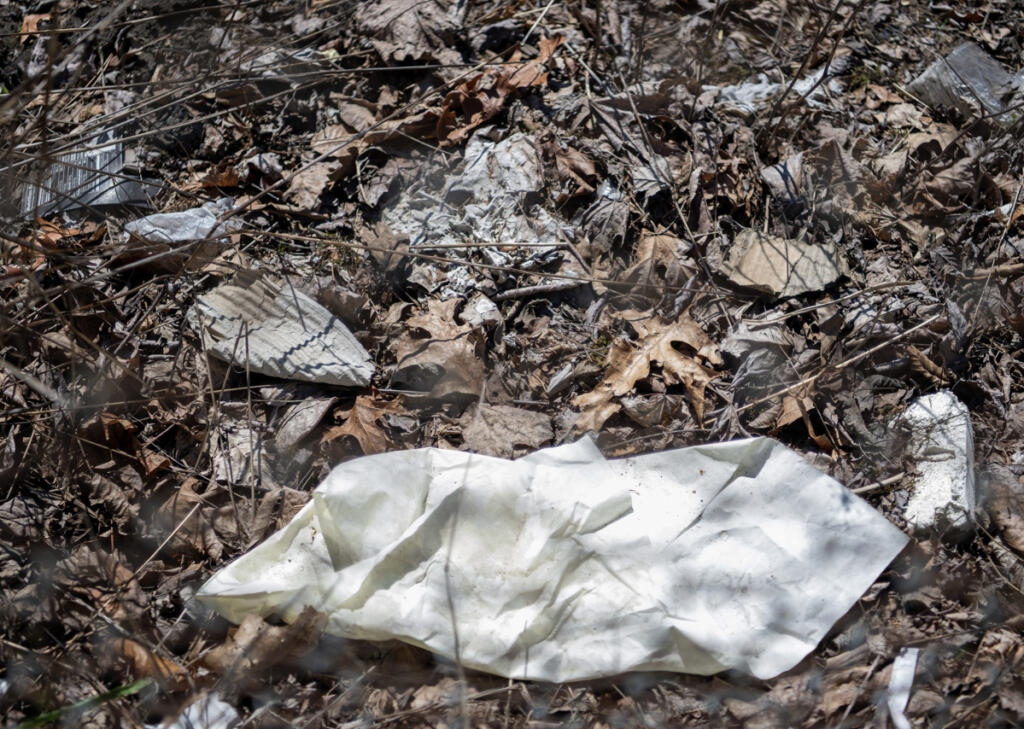
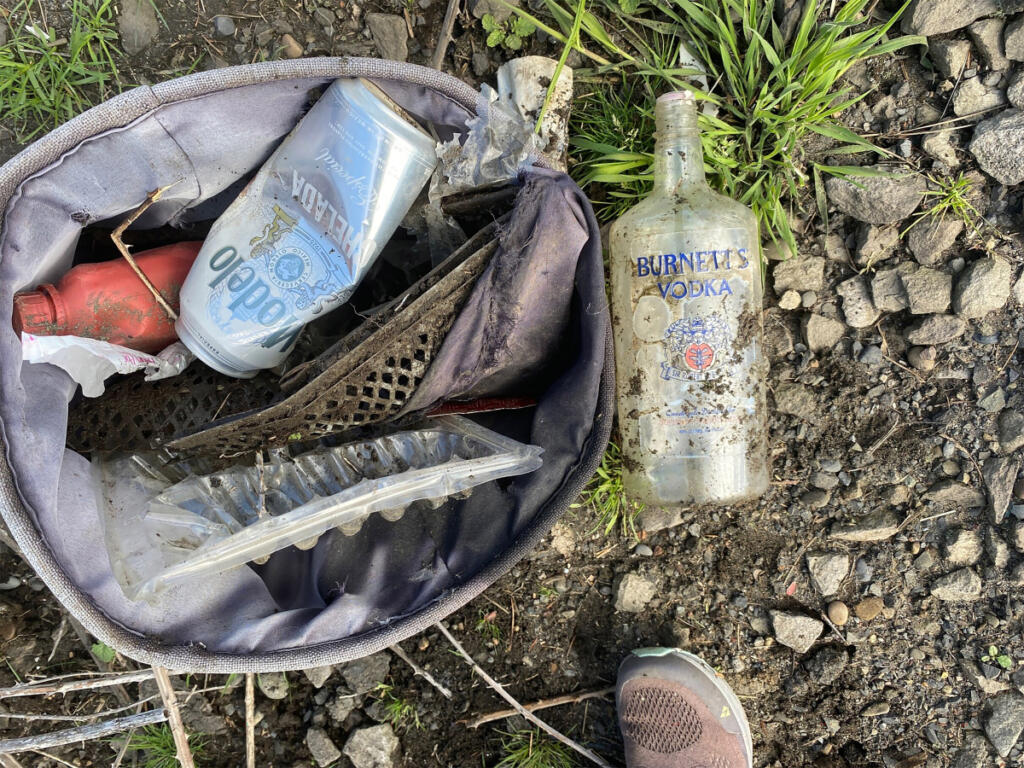
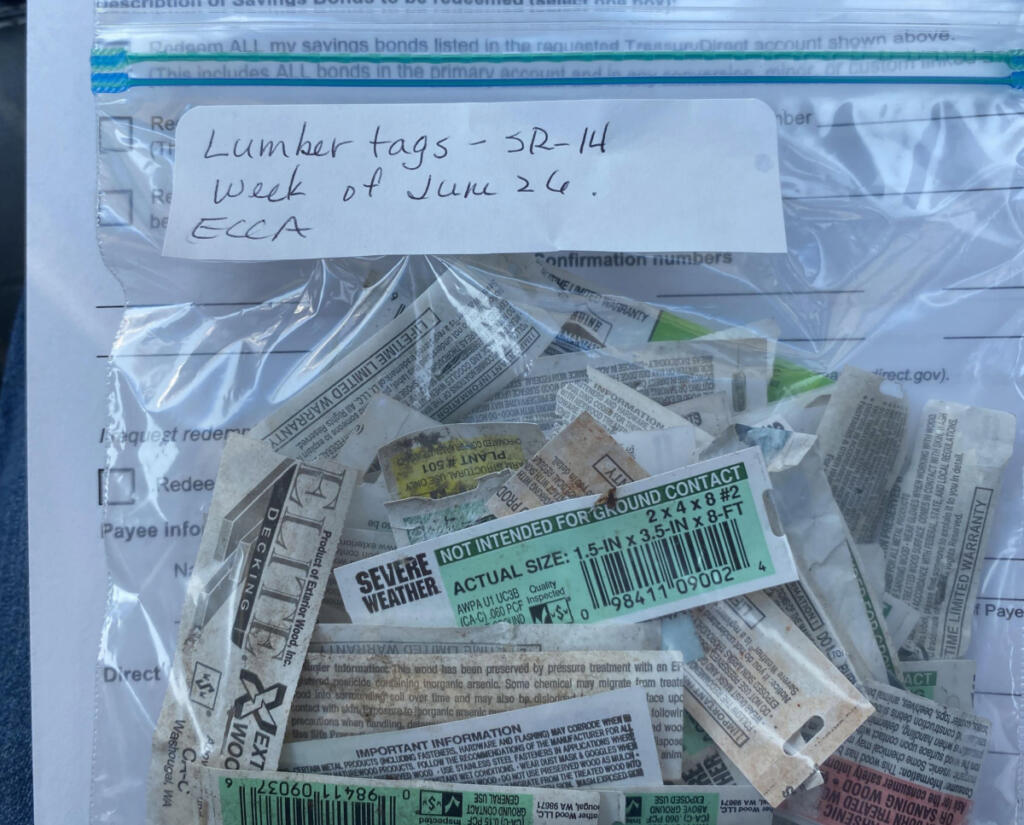
The alliance’s cleanup effort has revealed to its volunteers the scale and nature of roadside pollution, from lumber tags and industrial plastic to fast-food packaging, Styrofoam and booze bottles.

“Nothing has changed. It’s only getting worse,” Camas resident Madeline Lyne said. “The trash is an eyesore, a danger to drivers, bad for the environment and gives such a bad impression to tourists who come here for the natural beauty. It is undeniable and unacceptable.”

Armed with firsthand experience, the organization has expanded its mission beyond cleanup to advocacy as it urges local and state leaders to better enforce existing litter laws and pursue new strategies to reduce waste at its source.

“We have learned that public officials, by and large, don’t see highway trash as their problem to solve,” said Melanie Wilson, executive director of East County Citizens’ Alliance. “We need some creative thinking on the part of local authorities.”

The alliance is calling for a multipronged approach that includes stronger enforcement of load security laws, public education campaigns, corporate accountability for packaging waste, and greater collaboration between state and local governments.

“Melanie has received some responses, which are kind of, I don’t know if I’d call it a blow-off, but are like, ‘Yeah, we know there is a problem, and we’re relying on local neighborhood groups,’ ” said Camas resident Mark Silliman, an alliance volunteer. “Well, the local neighborhood groups aren’t tackling those on- and offramps on I-205 and I-5, and it just looks terrible through there.”

‘Aligned against us’

While the alliance’s cleanup efforts have improved conditions in Camas and Washougal, Wilson said, sections of the major arterials in the west half of Clark County remain covered in trash for three primary reasons:

  • Many highway sections are deemed too dangerous for volunteer adoption, limiting community involvement and leaving cleanup largely to the state transportation department, which lacks dedicated funding and staffing for the task.
  • The 2023 closure of Larch Corrections Center, which previously provided inmate cleanup crews, has removed a key labor source that once helped manage roadside litter.
  • And, unlike other regions, Clark County has few certified contractors available for sponsored highway cleanups, limiting alternative cleanup options.

“It’s like the planets are aligned against us,” Wilson said.

The state transportation department shuttered the Adopt-a-Highway program for about a year and a half during the COVID-19 pandemic, said Jeff Wilson, the agency’s Southwest Region assistant superintendent and Adopt-a-Highway coordinator. (He’s not related to Melanie Wilson.)

“It feels like we’re maybe still playing catch-up from that as well,” he said.

The state transportation department prioritizes public safety over tasks like litter pickup, Jeff Wilson said. Maintenance crews handle trash collection alongside other duties, such as guardrail repair, when traffic conditions and safety allow, he said.

The agency mainly relies on its Adopt-a-Highway program and public awareness efforts to help keep roads clean.

“Litter is more of a cosmetic issue most of the time, although I know there’s some exceptions to that,” Jeff Wilson said. “If we had a bigger budget, sure, we could point more dollars (at litter cleanup). But I think it’d be better to focus on the prevention of it instead of just picking it up after the litter’s already there.”

Cleanup not enough

In 2022, the Washington State Department of Ecology released a report establishing the first comprehensive baseline of statewide litter in nearly 20 years. The study found that Washington residents generate roughly 37.8 million pounds of litter annually (about 4.8 pounds or 897 items per person), with roadways accounting for nearly half of that total. Interstate freeways are particularly littered, accumulating 1,578.8 pounds and 73,569 items per mile.

Urban on- and offramps are hot spots as well, collecting 7.7 million pounds and 1.6 billion pieces of litter annually, with urban ramps seeing more waste than rural ramps due to higher traffic and population density. The most common items include glass beer bottles, construction debris, cardboard, cigarette butts and food packaging, while unsecured vehicle loads account for 39 percent of roadside litter.

“I see a lot of construction debris, a lot of household waste, a lot of liquor bottles,” Silliman said. “Some of it might be blow-off or slide-off from a truck. One time I found a brand-new bed frame, still in a box. It’s amazing what’s out there. I don’t buy bungees, tarps or buckets anymore because they’re all free along the road.”

Despite spending nearly $12 million in 2022, the state removed only 7.4 million pounds, less than a fifth of the litter that accumulates each year.

“Because studies show that people are more likely to litter if there is already litter on the ground, cleanup efforts are crucial to both reducing and preventing litter,” the study states. “However, cleanup efforts alone cannot resolve Washington’s litter problem. Behavior change campaigns, improved collection infrastructure, targeted legislation and new funding sources are all necessary to stop litter at its source.”

‘An ongoing nightmare’

East County Citizens’ Alliance recently decided to take a more scientific approach to the issue. The group will work with data science students from Portland State University to analyze trash collected from designated sections of the highway.

The project kicks off this month and will span two years. The first group of students will design the study and oversee data collection, while a second group will analyze the results and identify patterns, such as the most common types of waste and its possible sources.

“After four years of this work, we have a good idea what’s out there and what steps could be taken to curb the trash,” Melanie Wilson said. “But we need more information to take to policymakers and to local contributors of the trash.”

The alliance also is encouraging the formation of more Adopt-a-Highway teams, especially for areas west of 164th Avenue.

“We are very aware that the highways around the Vancouver area are a mess,” Melanie Wilson said. “Highway 14 is usually a mess, too, but we work on it so frequently and have devoted so much time and attention to it here in Camas and Washougal that at least it’s better than it was. Around Vancouver, it’s just an ongoing nightmare.”

Alliance volunteers mentor new teams by sharing their own experiences from years of organizing cleanups. They welcome interested individuals to join their outings to learn how the process works. The alliance also reaches out to the broader community, particularly in harder-hit areas like Vancouver, to recruit volunteers and raise awareness.

Get the latest headlines in your email every week!

This field is for validation purposes and should be left unchanged.

Melanie Wilson said alliance volunteers “cast a wide net,” knowing that while not everyone will stay involved, some participants will become long-term contributors and even advocates.

“We’ve had more than 50 volunteers over the years, rotating in and out of our teams,” Melanie Wilson said. “People say, ‘How do you actually do this? How do you pull these people together?’ And we always tell them, ‘That’s the easy part. If we can do it, you can do it.’ When people say they can’t do it or it’s too hard or whatever, we say, ‘No, it’s not. You can do it, and we’ll help you.’”

East County Citizens’ Alliance is the most active Adopt-A-Highway group in Clark County, Jeff Wilson said.

“It’s been great to see how active they are, how frequently they go out,” he said. “They’ve been very communicative with me as far as what their needs are and their motivation to do more. And they’ve been really good about talking with new volunteers or people interested in starting their own group.”