Camas-Washougal logo tag

Forest Service seeks feedback on Gifford Pinchot commercial huckleberry harvest

2025 ban came after agency was found to be impeding tribes’ treaty-reserved gathering rights

By
timestamp icon
category icon Clark County, Environment, News, Outdoors
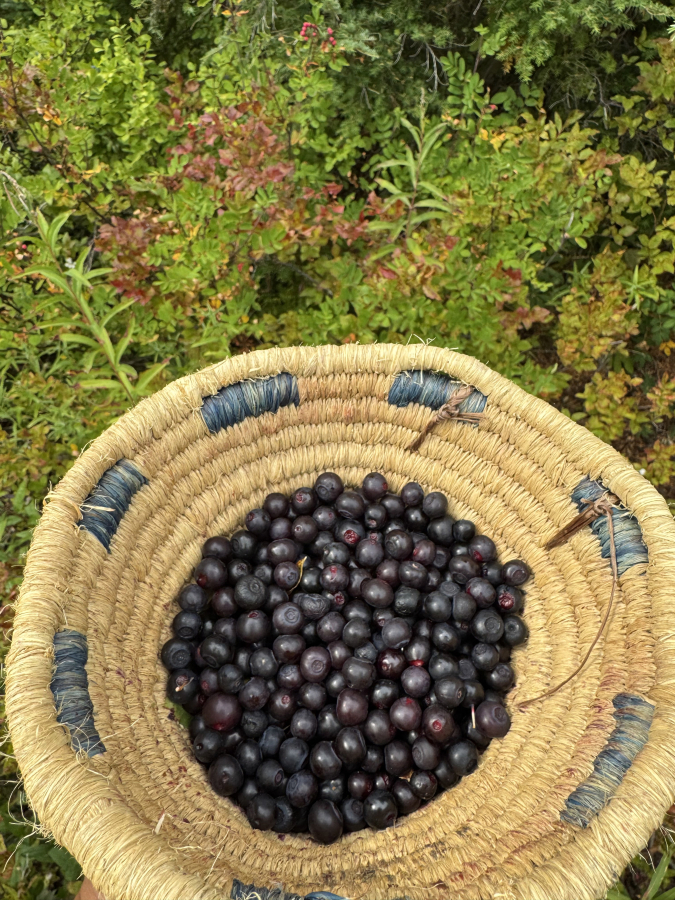
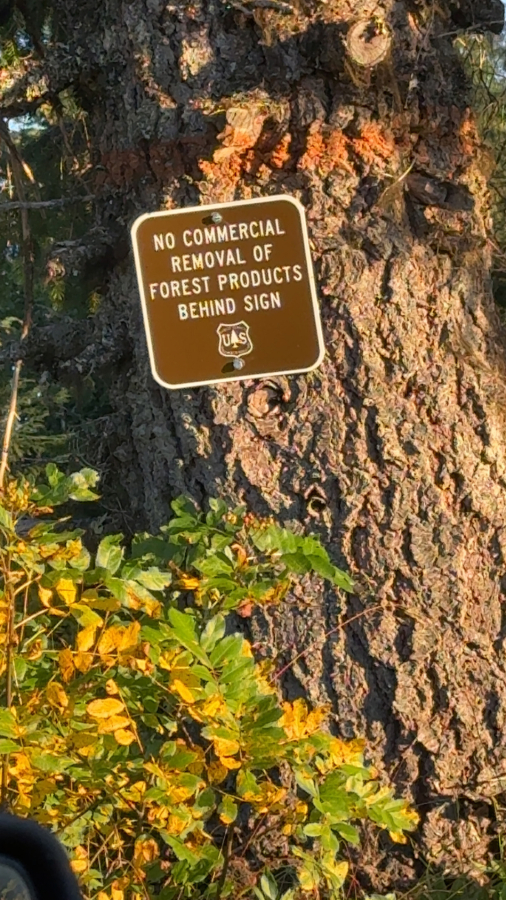
The U.S. Forest Service recently announced a new public survey to investigate the impacts of its 2025 ban on commercial huckleberry harvests in Gifford Pinchot National Forest.

“Hearing everyone’s perspective is helpful to make a balanced well-informed decision for the 2026 huckleberry season and into the future,” Amanda Kill, a spokesperson for the agency, said in a statement.


She said the survey results and conversations with “partners, interested parties, tribes (and the) wild foods industry” will help decide the future of commercial harvesting in the forest.

The survey can be found at forms.office.com/g/T9bnsTjgMB.

Kill said it will likely remain open until March, though the agency does “not currently have a specific time for the survey to close.”

Anyone with permits can still harvest up to 3 gallons of berries a year for personal consumption, according to the agency’s website. A gallon of berries weighs about 5 pounds.

Since commercial harvest was approved at Gifford Pinchot in the 1990s, commercial harvesters have reported taking between 250,000 and 350,000 pounds of berries every year, the agency said in March. Those totals are just known legal harvests.

Native nations around the region spent decades fighting for a ban on those commercial harvests because they hurt berry habitat and prevented tribes from gathering berries, said Elaine Harvey, a conservation scientist and member of the Yakama Nation’s Kamílpa Band.

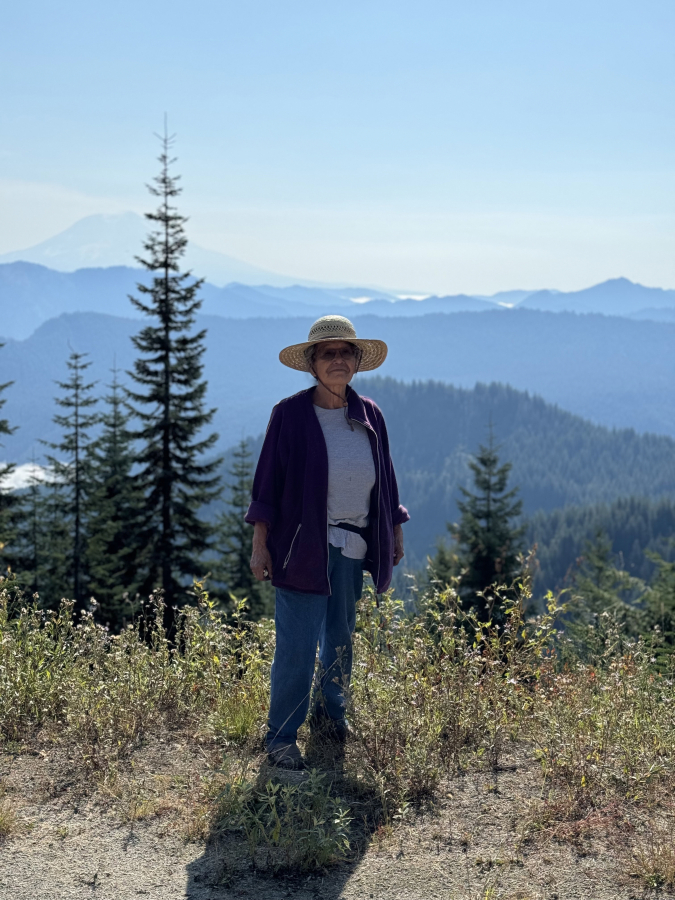
Harvey was introduced to harvesting as a child by her grandmother and has worked to pass the tradition on to her own daughter and grandson.

The Forest Service announced a ban for the 2025 season last winter following an investigation that found the agency’s past century of management of the berries and the national forest at large had systematically reduced berry habitat and access to the first food for Native people.

That’s despite the agency promising in 1932 to protect berry habitats for Native harvest. The nation-to-nation treaties the United States made with some Columbia Basin Native nations also protect their rights to gather.

For instance, the 1855 treaty the U.S. made with the Yakama Nation protects the tribe “gathering roots and berries, and pasturing their horses and cattle upon open and unclaimed land.”

“‘Open and unclaimed’ is forest service land, government land, state land,” said Harvey, who holds a doctorate in natural resources and conservation. “Our chiefs did that because huckleberries are essential to all our ceremonies.”

Native huckleberry harvesters widely celebrated the ban this past fall, saying it allowed Native people to actually harvest treaty-reserved resources and slowed habitat loss. It also offered other benefits.

“The main thing was safety,” Harvey said last week. “This was the first year in over 20 years that we felt safe to pick, to camp, to allow our kids to play in the forest and even have our elders pick by themselves without protecting them.”

In one widely publicized incident, Harvey’s elderly aunt was threatened by a commercial harvester with a machete. Others reported similar experiences.

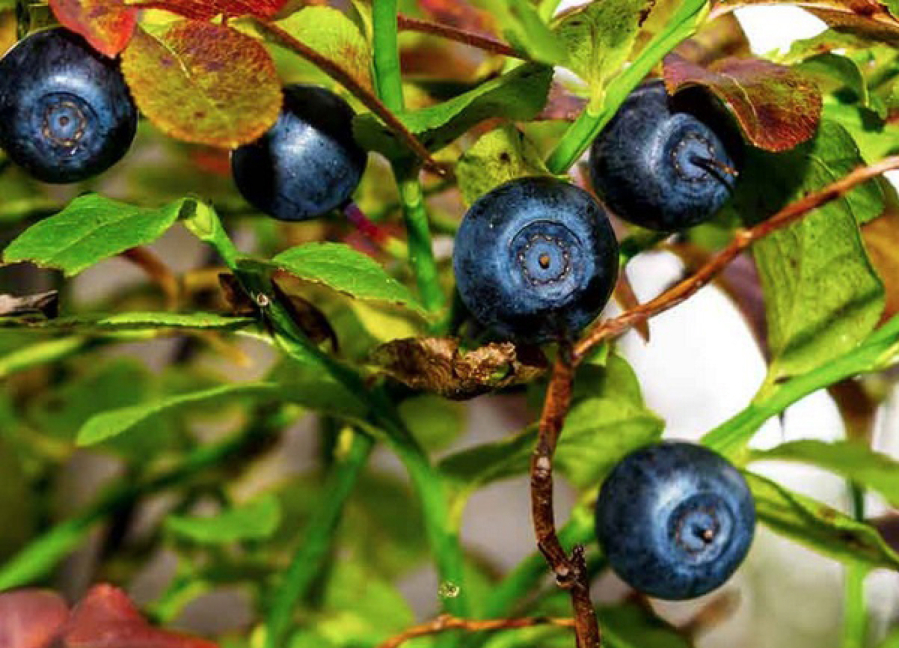
In October, The Columbian found some companies may have been violating the commercial ban, with one offering huge volumes of “Fresh Frozen Wild Blue Huckleberries from Mt. St. Helens” for about $100 a gallon.

The U.S. Forest Service said that had not factored into the decision on whether to extend the ban.

It also did not answer questions about how it would enforce potential future bans.

The agency has faced cuts and chaos in Gifford Pinchot, around the region and nationally.

Harvey said Forest Service representatives met with Yakama Nation members last week to discuss how the ban went, but she also hoped the Forest Service would send the survey to other Native nations.

“They should try their best to extensively distribute the surveys to the tribes besides Yakama,” she said. “You got other tribes like Nisqually, Puyallup, Muckleshoot — they have treaty-reserved rights, too, to go up and pick berries.”

The Cowlitz Indian Tribe, which also has a deep relationship to the berries, did not return a request for comment. The Forest Service did not respond to a question asking whom it had distributed the survey to.