Camas-Washougal logo tag

Specialty care shortage sends county patients to Portland

Workforce hasn’t kept pace with the need, experts say

By
timestamp icon
category icon Clark County, Health, News

When Gwyn Bateman accidentally fell into a fire pit late last year, she thought receiving medical care in Clark County would be a given.

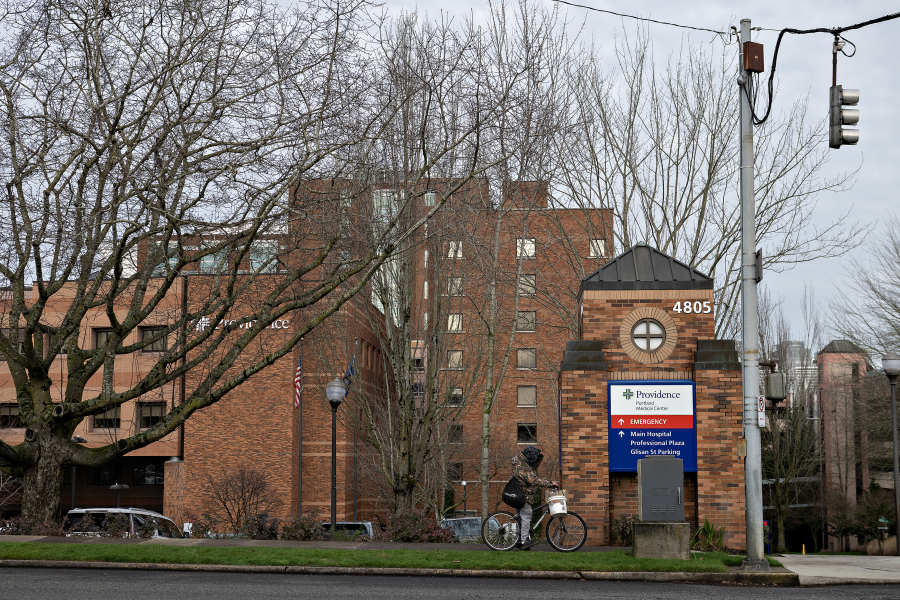
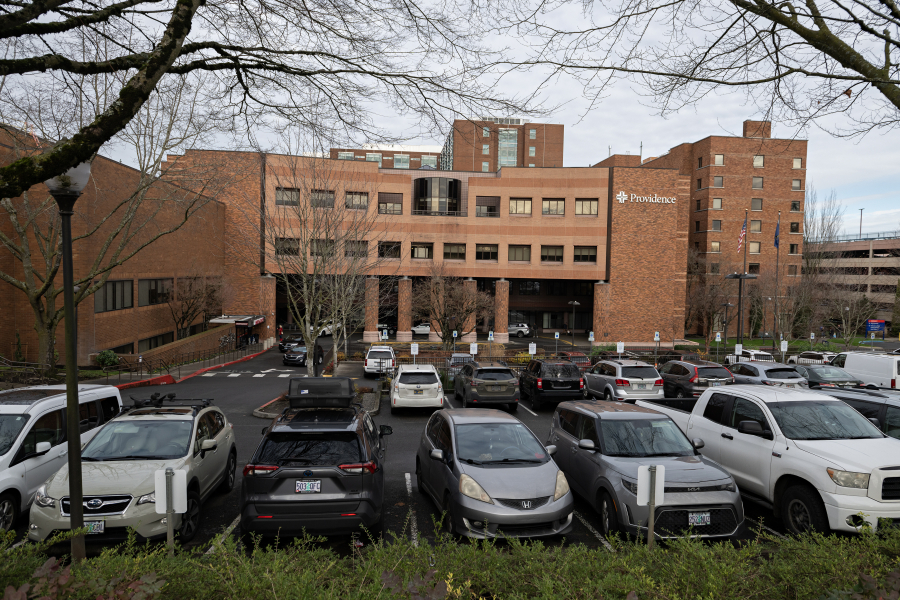
After a trip to the emergency room, the lifelong Salmon Creek resident went to get her wounds treated at a local clinic under her insurance. However, not long after, she was referred to Portland’s Legacy Emanuel Medical Center to see a specialist.


Once she was able to see a doctor there, she discovered her burns were more severe than she thought.

The whole process took about a month and ended with Bateman undergoing skin graft surgery.

“I’m surprised that I couldn’t get that quality of care here on this side of the river,” Bateman said. “Having to go to Portland can be time consuming. I prefer to do all my business here in Clark County.”

The Columbian spoke to several Clark County residents who sought specialty care in Portland. Many described the process as frustrating and isolating but also said the experience was worth it.

Ed Kauffman, a specialized nurse practitioner and owner of Vancouver Direct Primary Care, said it’s common for communities, big and small, not to have specialists. Before starting his private practice, he worked at critical access hospitals, which had no specialists.

He said he believes what patients in Clark County are experiencing is the result of an ongoing national physician shortage.

Data shows the health care workforce is not growing at the same rate needed to provide for growing populations, like Clark County, according to the Association of American Medical Colleges. Surveys by the health nonprofit suggest COVID-19 could have accelerated the shortage with physicians quitting or planning to quit their jobs at even higher rates due to burnout, according to a 2024 report.

Projections outline a worst-case potential shortfall of 5,500 specialists by 2036, according to the report.

“Patients right now in Vancouver are really struggling being seen by specialty care, and it’s because of the shortage,” Kauffman said. “I send a lot of patients to Portland, but it’s always based on where I can get people in.”

Inconvenience

Illana Cour of Battle Ground said she’s familiar with the medical limbo patients face when waiting for a spot at a Portland hospital.

Her 2-year-old daughter was struggling with chronic ear infections and in and out of urgent care until she was referred to ear, nose and throat specialists.

Both referrals were to Portland hospitals because the infection became too complex to address through her local clinic, Cour said. Treatment included a sleep study at Randall Children’s Hospital and surgery at Doernbecher Children’s Hospital.

It took a year to address her daughter’s health issues.

“It was quite serious,” Cour said. “The whole time I’m thinking ‘I wish this was closer.’ At the end of the day, when we are experiencing the frustration of having to cancel plans because she’s sick or canceled travel because of an ear infection, that part got really isolating and really frustrating.”

Tom Sanchez, CEO of The Oregon Clinic, the largest private multispecialty physician practice in Oregon, said thousands of Clark County residents seek specialty care across the clinic’s locations in the Portland metro area.

As a Clark County resident himself, Sanchez said he understands patients’ frustration. Because The Oregon Clinic offers harder-to-access subspecialties, even patients from Alaska and Idaho go to Portland to seek care.

“I think the deep expertise patients often need for more complex medical issues — that drive, that commute, that inconvenience may be worth it,” Sanchez said. “I think we would love to see better access closer to patients’ homes, and sometimes that’s not always possible just based on the supply of physicians.”

For Vancouver’s Martha Wiley, seeking care in Portland is worth the commute. She previously lived in Hawaii, where there weren’t specialists near her to care for her multiple sclerosis at the time. When deciding where to live next, she chose Clark County to be near Portland, known for its wide access to neurology care. Every three months, she takes paratransit to OHSU Hospital to receive specialty treatment.

“Honestly, we’ve lived in places where it’s been a lot harder to access specialty care than here,” Wiley said.

Sanchez said he would like to see health care improve when it comes to getting patients to the right provider at the right time. Developing a strong relationship with a primary care provider helps.

“Ideally, there’s the relationship between the primary care provider and the specialist so they can really collaborate together on taking the best care of the patient,” Sanchez said. “It’s so important. That collaboration is not the same as it used to be. From my perspective, that’s such an important part of our health care ecosystem.”