Camas-Washougal logo tag

Trout hatchery ‘a place of community’

Facility stands out for location, educational component

By
timestamp icon
category icon Business, Clark County, Environment, Government, News, Outdoors
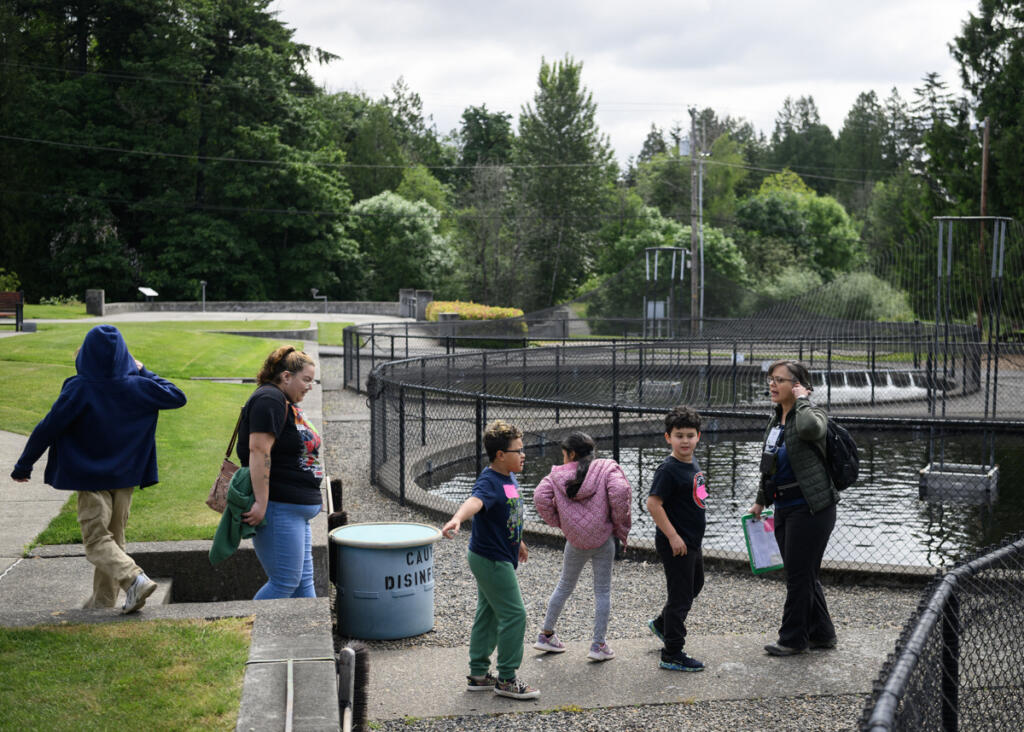
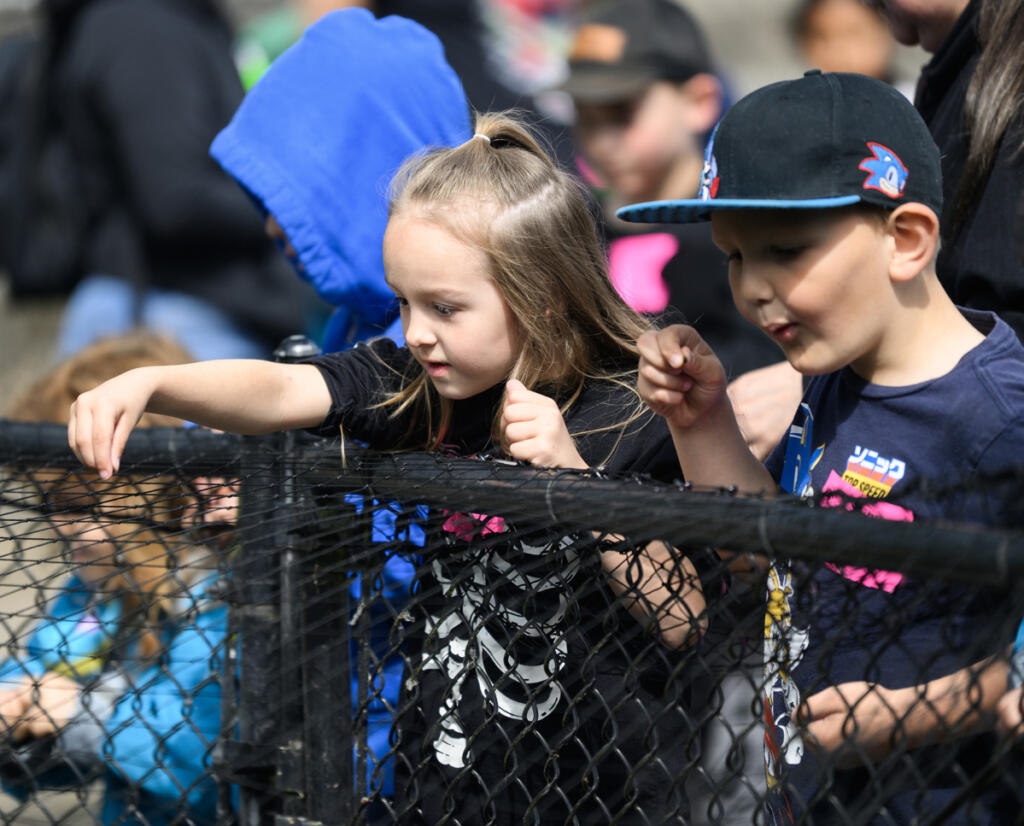
Vancouver Trout Hatchery visitors can wander freely among ponds and pathways, stop to chat with staff members tending fish or watch trout grow in the water below.

The hatchery, which lies just east of Interstate 205 and south of state Highway 14, has evolved into more than a fish-rearing facility. It’s a community gathering place where families spend weekends, neighbors walk their dogs and regular visitors form connections with the fish raised there.

According to its operators, the hatchery stands out from others for its unique location and systems, historical significance and deep ties to the surrounding community.

“Our hatchery is designed for public use in a way that other hatcheries generally are not,” said Katherine Cory, the executive director of the Vancouver-based Columbia Springs environmental education nonprofit organization. “It’s embedded directly in community life. People walk here after work, families bring their kids on weekends, and neighbors feel like these fish are also their neighbors.”

The hatchery is operated by the Washington Department of Fish & Wildlife and used for public education and stewardship by Columbia Springs, serving “dual roles as both production hatchery and education center,” said Mark Yuasa, a communications manager for WDFW.

“Having an on-site partnership with Columbia Springs and sharing the site makes the Vancouver hatchery different from most other hatcheries, giving abundant opportunity for educational experiences,” Yuasa said.

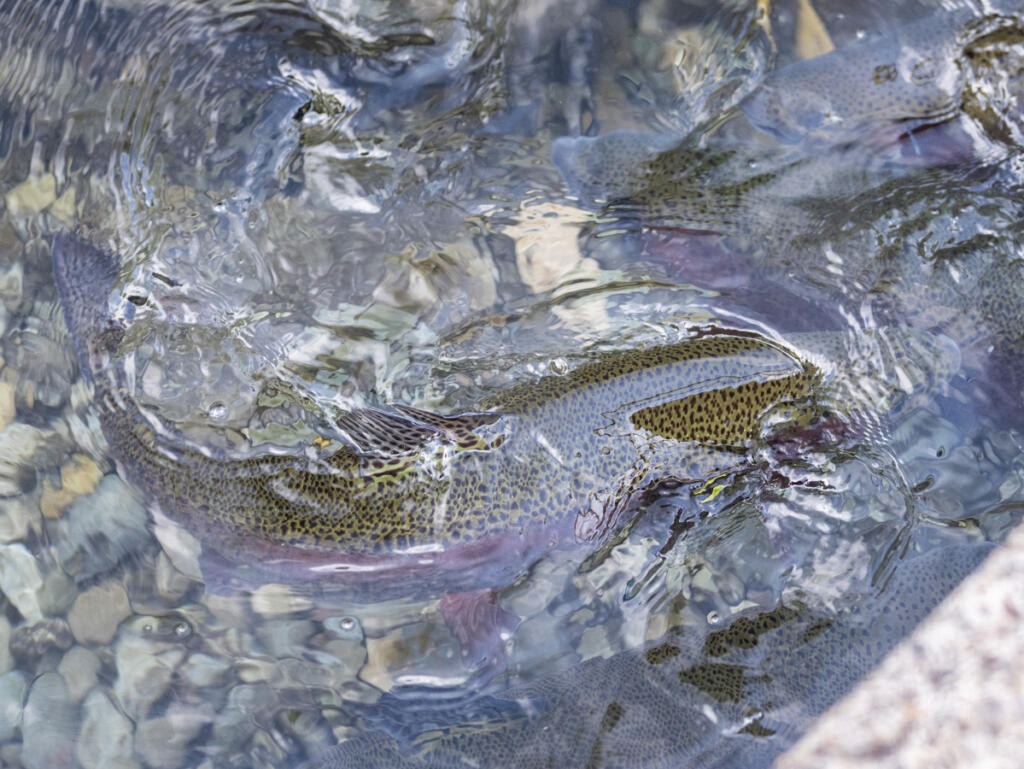
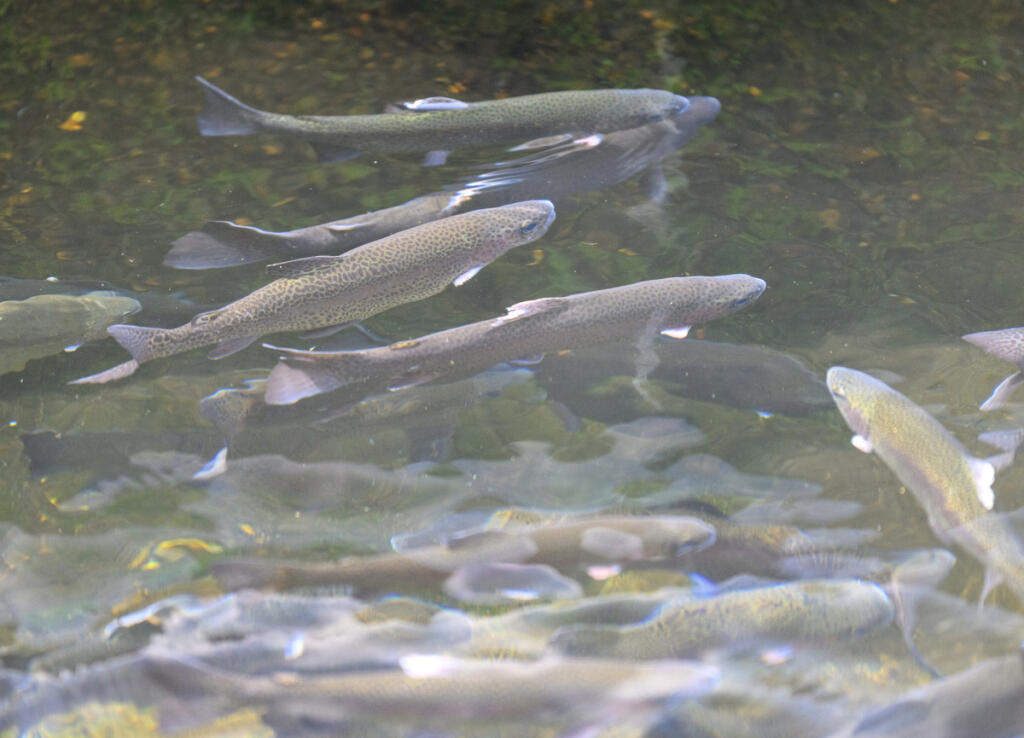
The hatchery annually raises about 400,000 fish, including summer steelhead, rainbow trout and chum salmon. The fish stay local, benefiting nearby lakes and rivers. The hatchery also features a 100-acre natural area with 2 miles of trails.

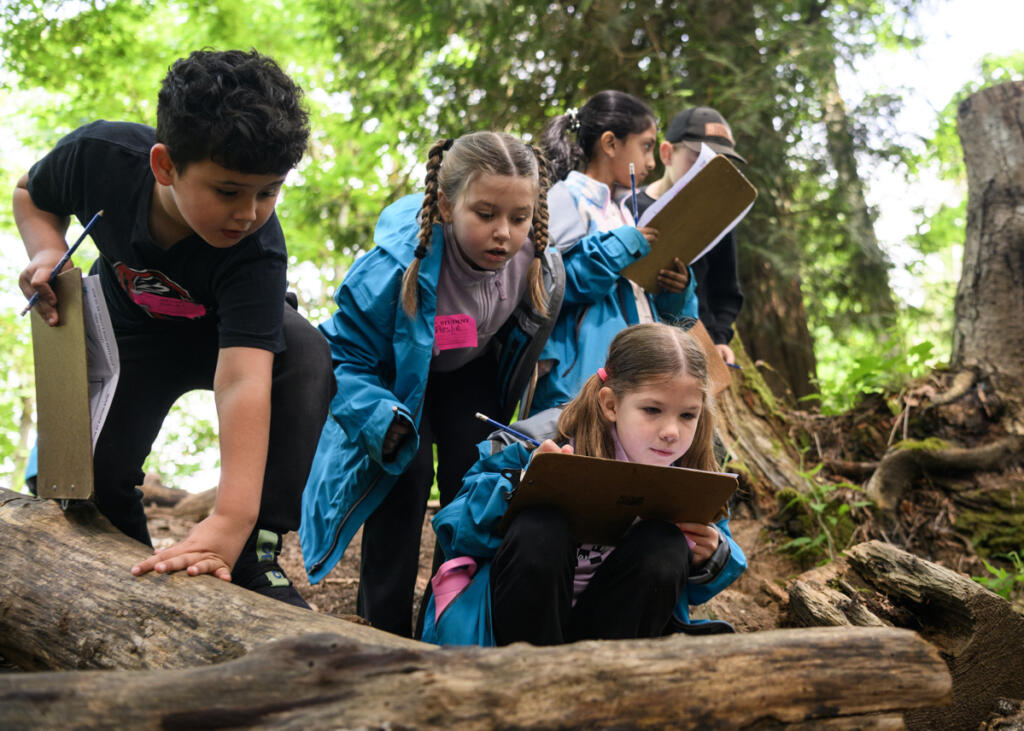
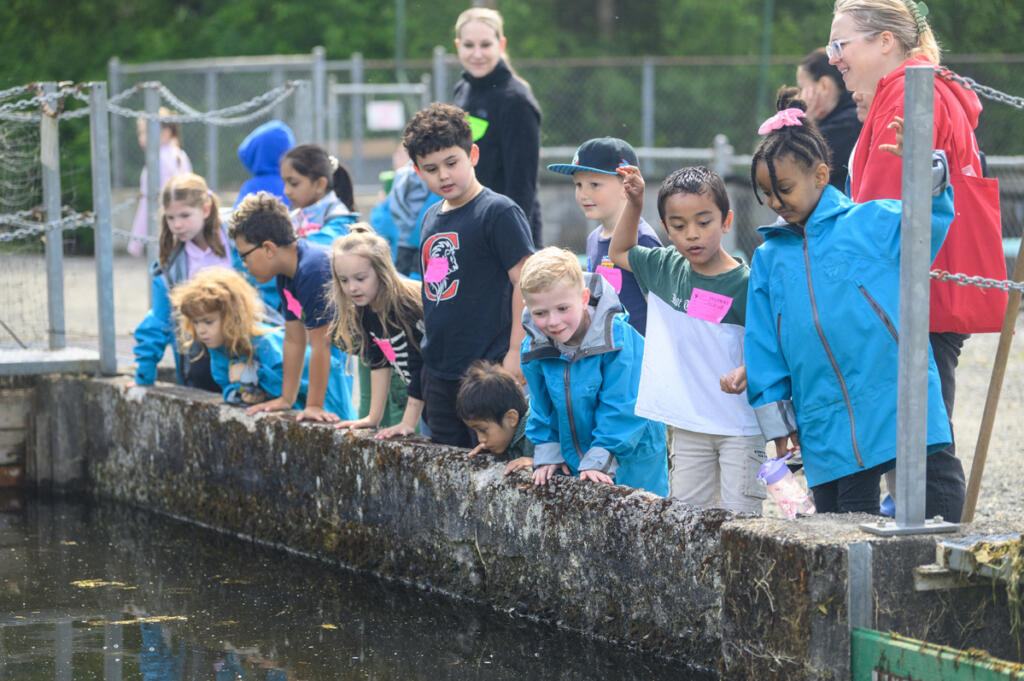
“It provides a valuable opportunity for local communities to participate in recreational fishery opportunities,” Yuasa said. “It has become an important landmark in the area, and an on-site partnership with Columbia Springs gives the opportunity to thousands of school-aged children to learn about the environment and fish hatcheries. The site is visited by thousands of people every year that utilize a series of trails and can engage with interpretive and educational information.”

The hatchery benefits from on-site natural resources — including spring water, which provides a consistently cold, clean environment ideal for raising trout and salmon — at the base of the Columbia Slope, Yuasa said.

“This reliable, high-quality water source on the property is the primary reason the facility was built at this specific location,” he said.

Built in 1938 as part of a Works Progress Administration project, the hatchery has operated continuously ever since. It features “some unique systems,” including concrete round ponds and incubation rooms, that aren’t utilized by modern hatcheries, Cory said.

“Because the round ponds are concrete, they’re more disease-resistant and produce more consistent fish quality,” she said. “In the incubation rooms, the tiered troughs also make it easier to divide fish.”

The facility faced closure in the late 1990s because of state budget cuts, but community leaders — including hatchery manager and state legislator Dean Sutherland — secured funding to keep it open. WDFW later partnered with Clark Public Utilities to create an environmental education center, originally called Evergreen Fisheries Park, on the hatchery property. The partnership was renamed the Columbia Springs Environmental Center a few years later.

“I think it’s endured because it’s relevant and tied to multiple generations in real time in a way that other hatcheries aren’t,” Cory said. “Hatcheries are tied to sustaining fisheries and supporting food and recreation, which is important. But our hatchery adapted as conservation became more central and environmental education expanded and has helped urban populations reconnect with nature in a time when, through a lot of expansion and everyday life, it’s really hard to be connected to nature anymore.”

The hatchery offers educational programs like Salmon in the Classroom, in which students raise salmon from eggs and release them into local creeks. It also hosts public events, such as hatchery tours, forest walks and nature days.

The hatchery’s partnerships with organizations like Clark Public Utilities, Clark College and Tidewater Barge Lines are essential for its operations and community support, Cory said.

“We get together and just sort of make it happen. I don’t know how to explain that better,” Cory said. “Even if we have diverse interests or come from diverse industry backgrounds, we are really vested in making this space a place of community.”