Camas-Washougal logo tag

Exploring pioneer’s trail: Only enslaved person on Lewis and Clark Expedition focus of doc

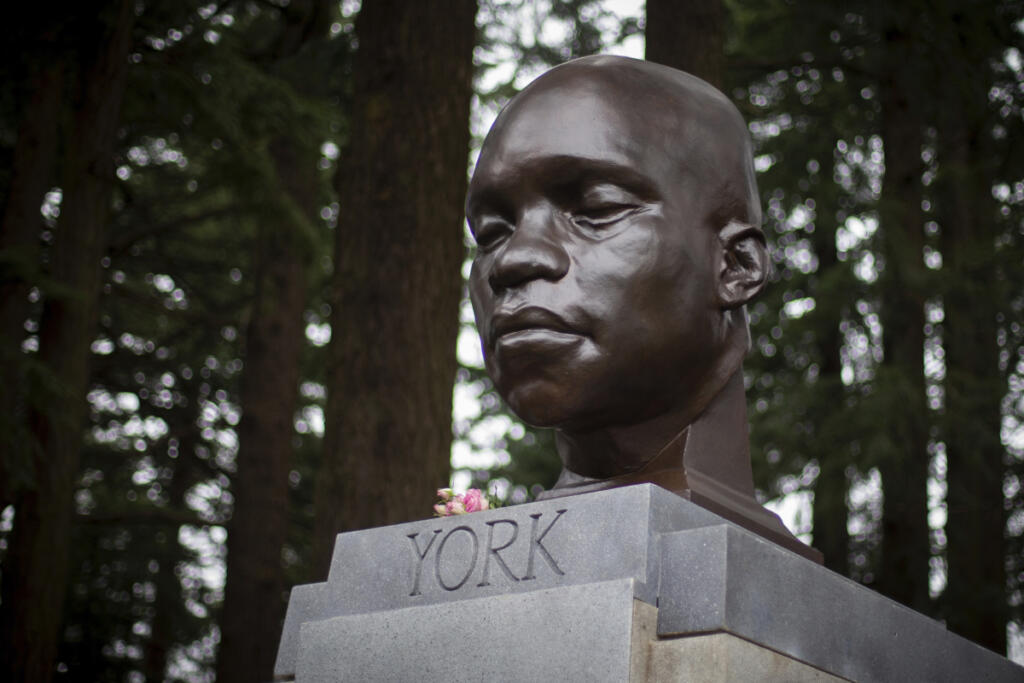
York, an enslaved man, was the only Black person on the journey west

By
timestamp icon
category icon Arts & Entertainment, Camas, Clark County, Life, Washougal
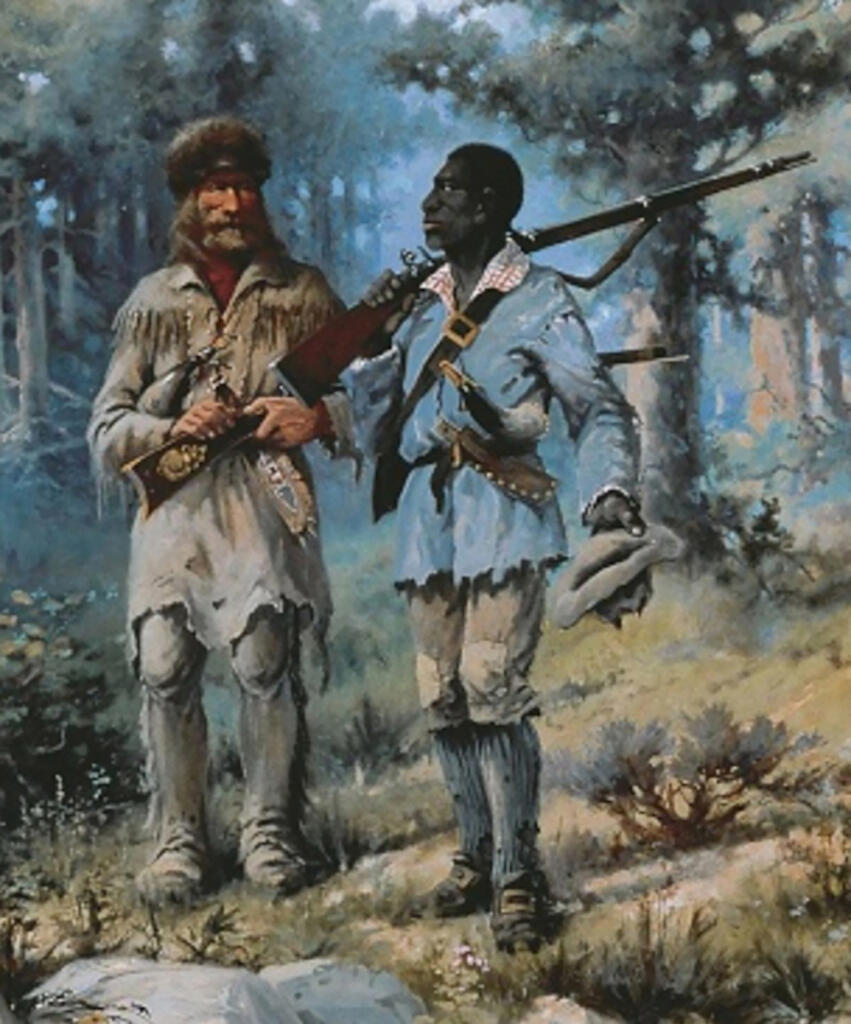
Among the 45 adventurers who crossed the North American continent as part of Lewis and Clark’s Corps of Discovery in 1804-1806 was one who never chose to join the journey, yet contributed to its success in surprising and crucial ways. After the expedition was over, it’s beyond surprising to learn how that heroic figure was treated with ingratitude and contempt, and mostly vanished from the history books.

In recent years, the story of York, though incomplete, is being resurrected and re-explored. York was the only enslaved person on the Lewis and Clark Expedition. And he was the first Black person to cross the continent and see the Pacific Ocean (at what is now Cape Disappointment State Park, on the Washington side of the mouth of the Columbia River).


Last year, an organization called Oregon Black Pioneers hosted a YorkFest in Portland. This year, a 35-minute documentary film about York and his still-growing legacy, commissioned by the National Park Service, is making the rounds.

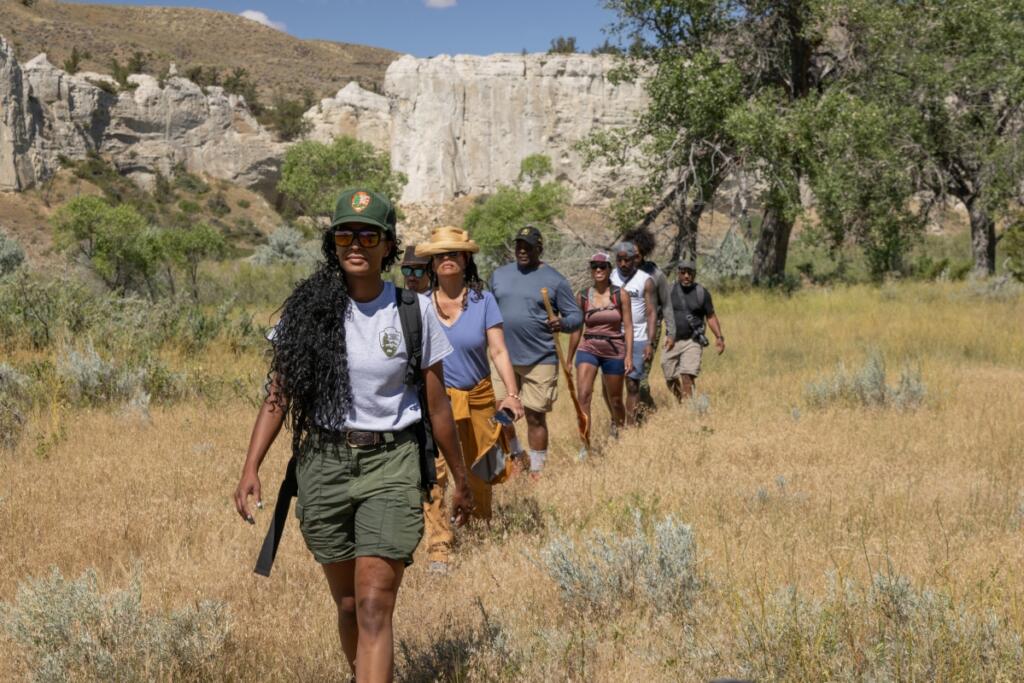
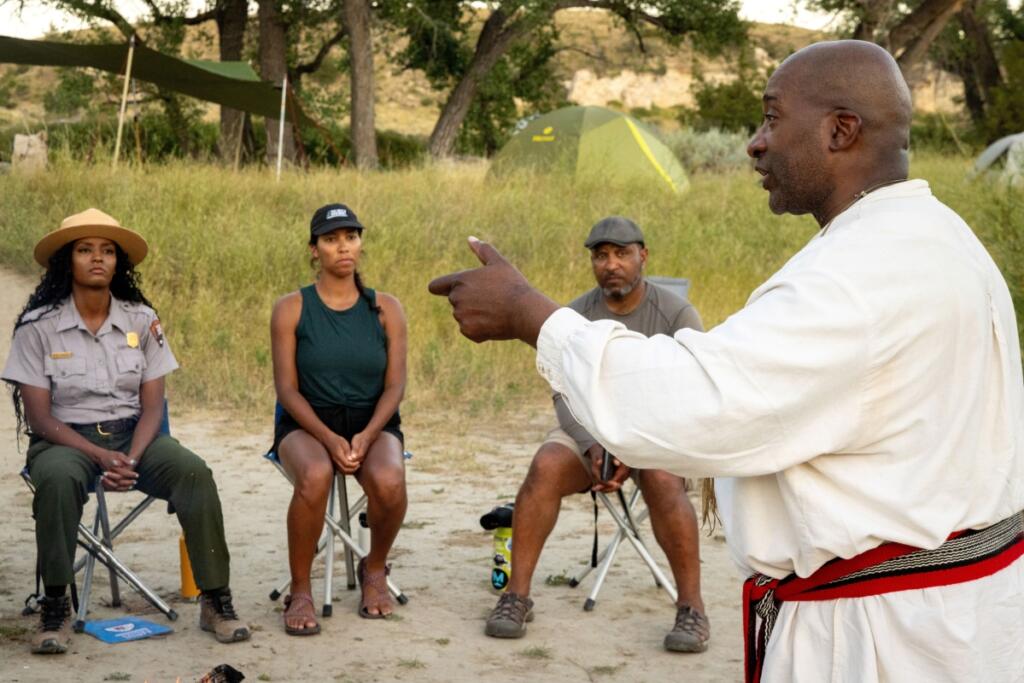
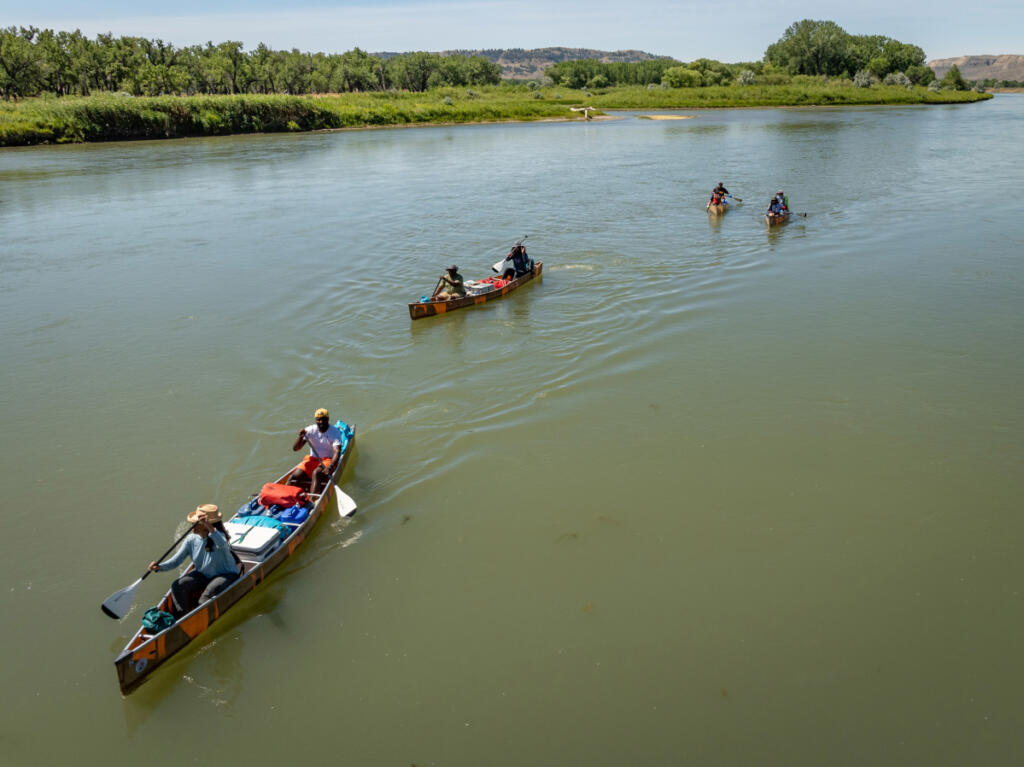
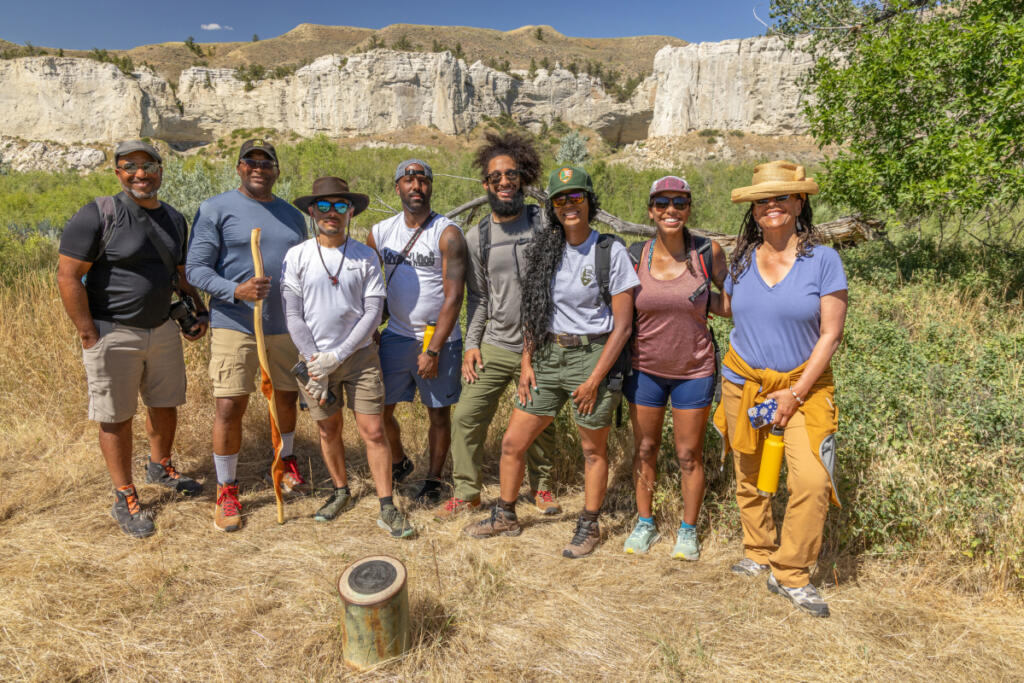
“Big Medicine: York Outdoors” will screen 6:30 p.m. Tuesday at the Camas Public Library. The film tells what we know of York’s life story while focusing on a group of eight Black educators as they retrace his journey along the Upper Missouri River Breaks National Monument. Along the way they explore not just underknown history, but contemporary issues in recreation access for people of color
— and the joy and healing the outdoors can provide.

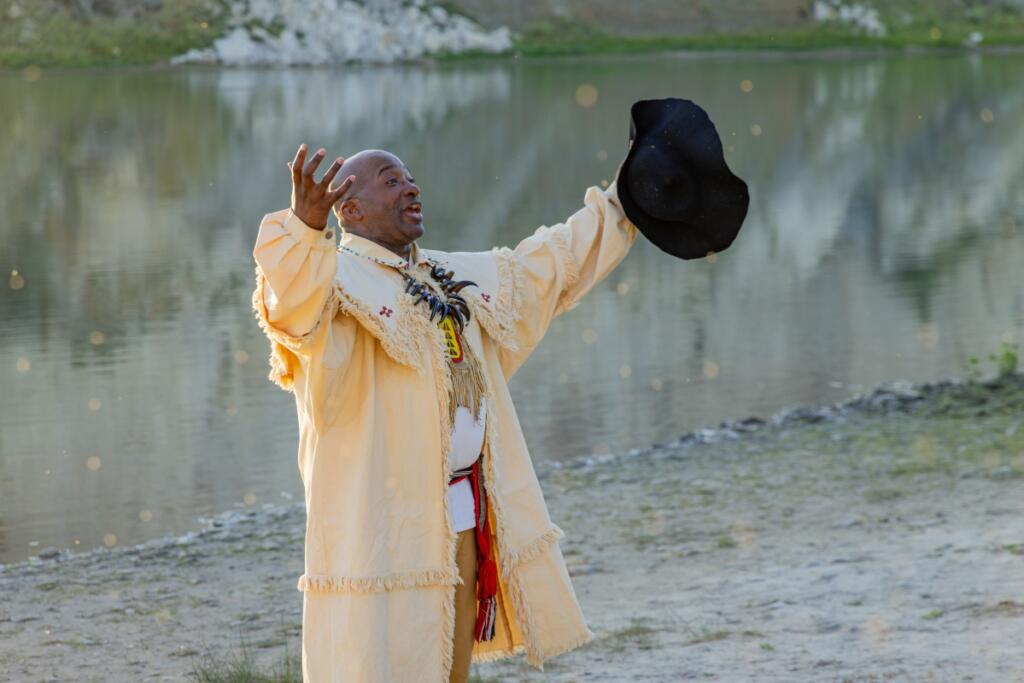
The film’s real star is York scholar, author and re
enactor Hasan Davis.

IF YOU GO

What: Screening of “Big Medicine: York Outdoors”

When 6:30 p.m. March 31

Where: Camas Public Library, 625 N.E. 4th Ave., Camas

Admission: Free

“He has made telling that story as a historian and re
enactor his mission,” said Julianne Lawrence, executive director of Washougal’s Two Rivers Heritage Museum, which is host of the film screening. Lawrence will give a biographical talk and answer questions about York’s life and legacy during the event.

Unheard-of

York was born into slavery. While his birth year isn’t known, Lawrence said, he was likely a contemporary of his owner’s son, William Clark, the future explorer.

“In this complicated way, the slave and the son of the enslaver, they came of age together,” Lawrence said. When the elder Clark died, York became the property and “body servant” — that is, personal valet or manservant — of the younger Clark, who eventually chose him for the Corps of Discovery. That choice speaks to the respect and confidence Clark must have had in York, Lawrence said.

“It was a hot ticket to get on this expedition, and there were military officers and enlisted men and civilians — and there’s York,” she said. “He’s the one who didn’t choose to go because he had no choice.”

On the expedition, York appears to have enjoyed unusual respect and independence for an enslaved person, playing key roles in diplomacy and trade with tribes. When decisions came to a vote, his vote counted. He was even entrusted to go hunting.

“He was given a gun,” Lawrence said. “For an enslaved person to be handed a weapon — that’s unheard-of.”

When the triumphal Corps of Discovery returned to its starting point, St. Louis, Mo., its members were rewarded with double pay and gifts of land from a “grateful Congress,” Lawrence noted — but none of that came to York, who remained enslaved, and even resented, by William Clark.

“In place of pay, he thought his pay would be his freedom,” Lawrence said. “Not only was he not honored in that way, but Clark became quite angry with him.”

Clark’s letters to his brother describe his frustrations with York and his determination that, far from ever being freed, it might be best to sell York to an owner who would treat him even more severely. York became “insolent and sulky,” Clark wrote, and Clark whipped him.

“He earned so much respect during the expedition, you would think he would have been rewarded like the others,” Lawrence said, but the very opposite is what occurred. It’s not known what happened to York in the end.

‘Complicated’

Another unusual-yet-crucial person on the Lewis and Clark expedition — who joined it along the way — was Sacajawea, an Indigenous woman who has become a familiar and even legendary character in history.

Sacajawea is mentioned a total of 108 times in the Lewis and Clark expedition journals, Lawrence said. But York is mentioned 135 times. Why, then, has history exalted Sacajawea while mostly ignoring about York?

“History can be difficult to tell, sometimes,” Lawrence said. “‘Complicated’ is the word that repeatedly comes up with this story and with our knowledge of this life, which is known through the lens of William Clark,” Lawrence said.

Clark left journals and letters behind, Lawrence noted, while York, who was almost certainly illiterate, left none.

“We have assumptions and guesses about York’s thoughts and feelings, but sadly there is no record of them,” she said.

“Why didn’t I already know this story? I’m happy to have this reason to learn about it,” Lawrence said of the film. “I can share the story of the Lewis and Clark Expedition that much better now.”

The mission of the Two Rivers museum is to “honor and uplift the experiences and perspectives of everyone who was there,” Lawrence said. “People can have complicated feelings and reactions to a lot of history, but that can be OK.”