Camas-Washougal logo tag

Nonprofits rethink funds as grants dry up

More organizations compete for a shrinking pool of federal money

By
timestamp icon
category icon Clark County, Government, News, Schools

With federal support shrinking, more nonprofits in Southwest Washington are vying for a smaller pool of local funding that’s already stretched thin.

YWCA Clark County, for example, relies on both local and federal funding. The organization was recently denied grants it had previously received, often without clear explanation, while other funding opportunities disappeared under the Trump administration, CEO Brittini Lasseigne said.


The nonprofit has used federal grants to fund its sexual assault program, which provides a 24/7 response from on-call advocates who can provide clothing and other help for victims, and now must look elsewhere for money.

As federal grants become less reliable, Lasseigne said local nonprofits must rethink their funding sources.

“There’s only so many (funders) and a lot of us are already accessing them,” Lasseigne said. “A lot of times they try to guide you in another direction, because they’re being asked so many times, and their funds can only go so far.”

Last year, nonprofits went through a turbulent year of federal funding cuts and policy changes that many say will have lasting effects on the region.

According to a report from the Community Foundation for Southwest Washington, based on a survey of more than 100 nonprofit leaders across Clark, Cowlitz and Skamania counties, federal changes have forced nonprofits to reduce staff and close programs even as demand for their services has increased, adding to financial challenges and uncertainty.

Fifty-three percent of participating nonprofits receive federal grants or contracts, according to the report. On average, these sources accounted for 37 percent of organizational budgets.

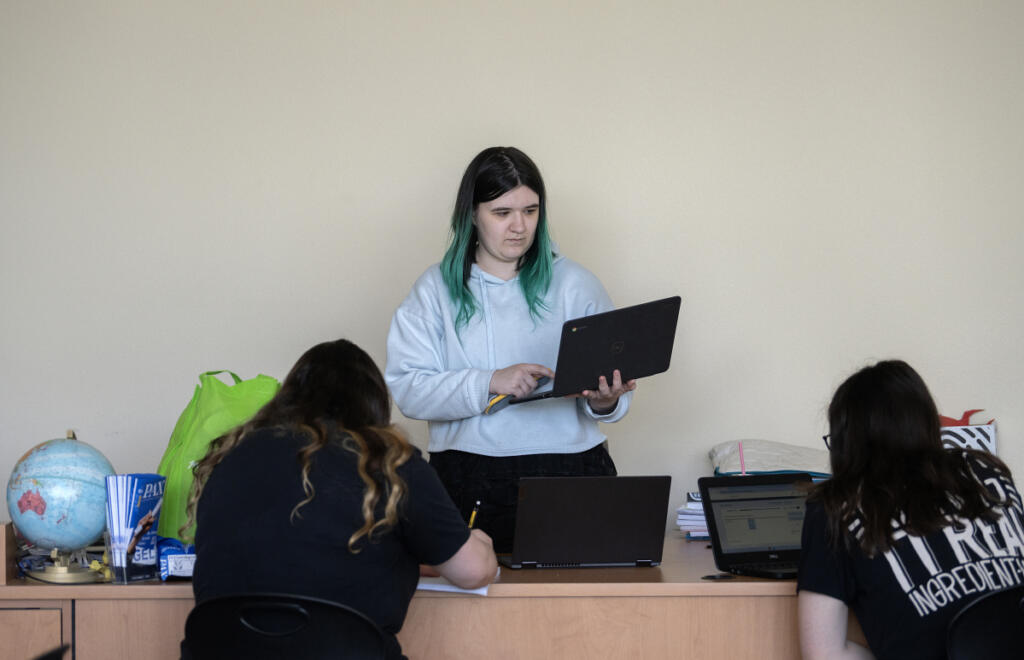
Alex Herrboldt, co-founder and executive director of Vancouver-based GED program PAX Learning Center, said his organization’s federal funding through the Workforce Innovation and Opportunity Act was cut more than 50 percent. Other federal funding sources disappeared entirely.

He also said some funders cited a high volume of applications when rejecting PAX’s grant applications. In the midst of funding uncertainty, PAX had to furlough and lay off staff. It also turned to a tuition-based system to make ends meet, Herrboldt said.

“We’re already wearing multiple hats,” Herrboldt said. “It was very stressful for everyone just not knowing when that next funding opportunity was going to come.”

Both Lasseigne and Herrboldt noted it wasn’t just federal funds shrinking for nonprofits, as state support has also decreased.

“Our executive leadership team spends a lot of time navigating scenarios and different funding opportunities,” Lasseigne said.

That’s time nonprofit leaders aren’t spending on expanding and improving their programs, she added.

Trump’s executive orders targeting diversity, equity and inclusion programs, including equity-related grants and contracts, have made it difficult for some nonprofits to renew certain grants, Lasseigne said. The YWCA Clark County is part of a coalition of 17 state domestic violence and sexual assault organizations seeking immediate relief from restrictions imposed on grant funding for domestic and sexual violence services.

Herrboldt said that although the funding landscape is challenging, it has forced his organization to explore different revenue streams. PAX Learning Center currently is working with local businesses to offer English as a second language classes, which Herrboldt said the program wouldn’t have thought of doing if not for the pressure of trying to diversify revenue.

“We’re stubborn and strong, and we do what we have to do,” Herrboldt said. “Every day that we walk into our classroom and work with those students — it gives us the fire.”