Camas-Washougal logo tag

Two Rivers Heritage Museum presents Fern Prairie Cemetery tour

A local historian will tell the stories of the families and individuals buried there and their roles in Camas and Washougal history.

By
timestamp icon
category icon Arts & Entertainment, Camas, Clark County, Life, Washougal
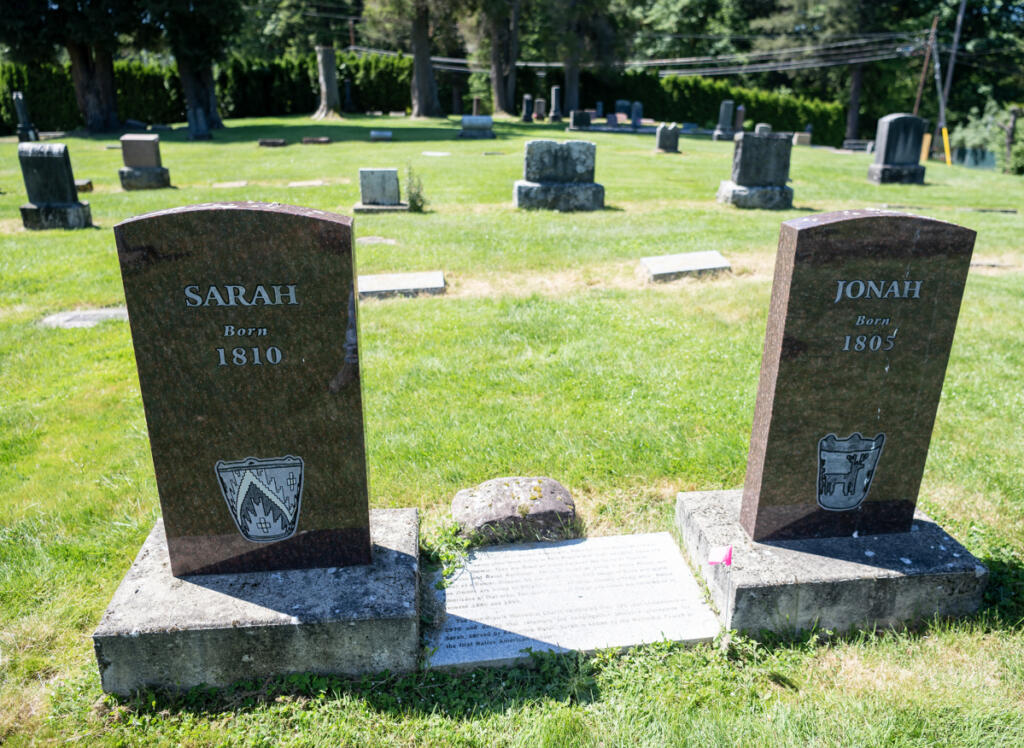
Fern Prairie Cemetery traces its roots to the original land claim of pioneer Lewis Van Vleet. It began as a small family burial ground before evolving into one of east Clark County’s oldest community cemeteries.

“Lewis Van Vleet is a name folks might recognize because of his connection to the failed town of Parkersville, but there’s a whole lot more to his story,” said Julianne Lawrence, the director of Two Rivers Heritage Museum in Washougal.

From its beginnings as a pioneer family burial ground with graves dating to 1855, Fern Prairie Cemetery has preserved the stories of some of the area’s earliest settlers — families who arrived in the Washington Territory seeking opportunity and helped shape the communities that would eventually become Camas and Washougal.

“There’s a lot of history and so many stories there,” said Peri Muhich, a social historian, genealogist and cemetery preservationist. “One of the things I love about old cemeteries is that there’s so much there that you can walk through and learn, even if you’ve never heard of the people buried there.”

Two Rivers Heritage Museum will present a tour of the cemetery on Sunday, with Muhich telling stories of the individuals and families buried there and their roles in East Clark County history.

If you go

What: Fern Prairie Cemetery tour and headstone cleaning lesson
When: 2 p.m. Sunday
Where: 25700 N.E. Robinson Road, Camas
Cost: Free
Information: 2rhm.com/events

“I want people to appreciate the pioneers who built these communities,” Muhich said. “Learning what they overcame — and how much they accomplished with so little — can give us hope for the future.”

Pioneer cemeteries, historic burial grounds established by early settlers typically dating from the mid-1800s to early 1900s, differ significantly from modern cemeteries in their layout, maintenance and marker materials, often appearing more natural and less uniform.

“At newer cemeteries, you often learn nothing beyond a person’s name and dates,” Muhich said. “Older headstones tell stories — through poetry, symbols, designs and even clues about a person’s life and work.”

The cemetery includes a headstone for Louisa Wright Van Vleet, a Fern Prairie native who became the first doctor in Clark County to have both a degree in medicine and a license to practice medicine. She earned a reputation for compassionate medical care and devoted service to the community during the city’s formative years.

“The story of Dr. Louisa Wright is my current favorite,” Lawrence said. “Her obituary refers to her death as the saddest news in Camas since the town’s incorporation, which really shows how beloved Dr. Louisa had been. And the story of her life, the story of how she got to that place of adoration, is a fascinating one.”

The cemetery, which became Clark County Cemetery District No. 1 after voters approved a 1954 ballot measure, also includes grave markers for a family that’s not buried there.

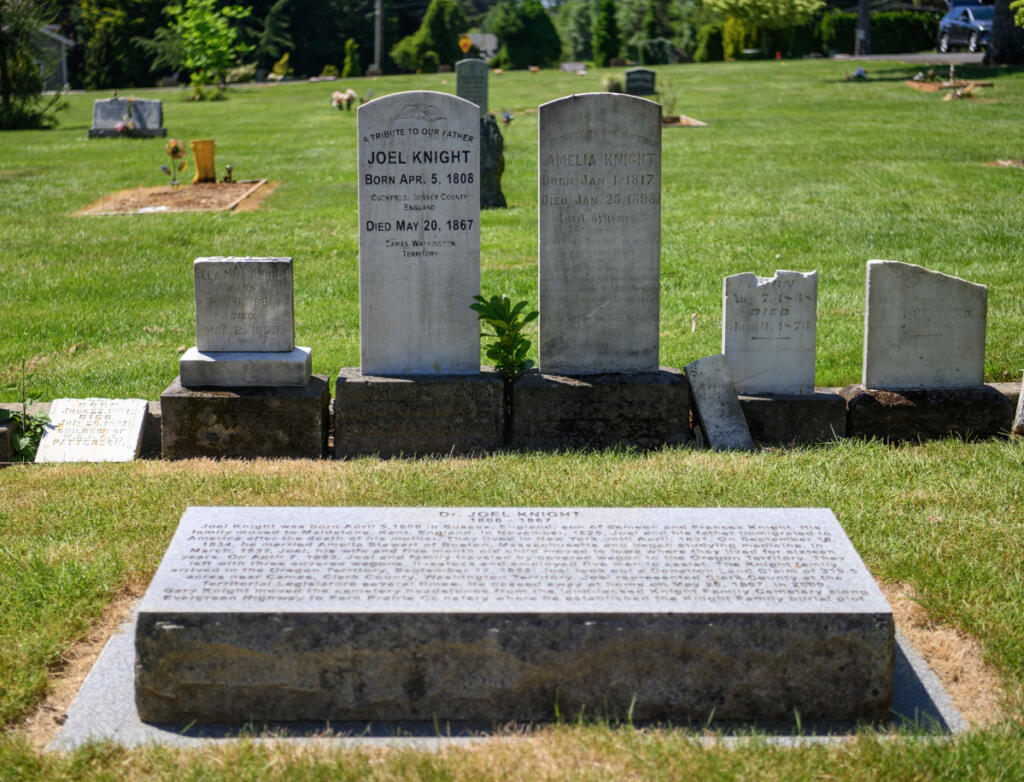
“The Knight family has headstones here, but the graves are empty,” Muhich said. “They were early pioneers who were buried on the land they owned, and then their headstones were moved there later. Empty graves in a cemetery are always a unique point of interest; there’s always an interesting story there.”

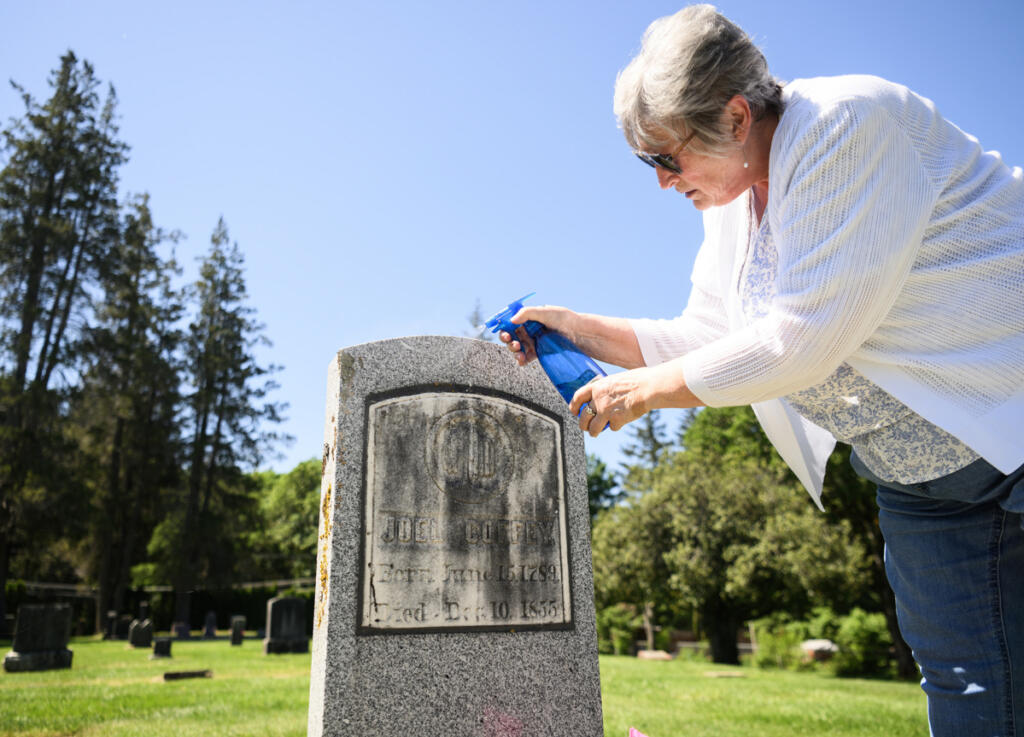
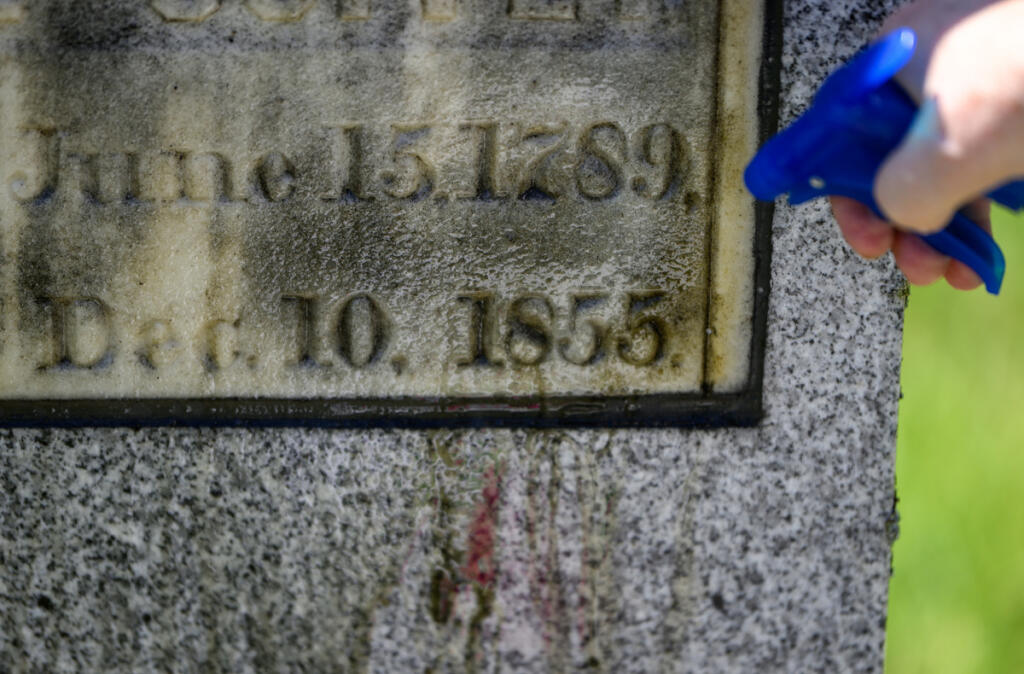
The 90-minute walking tour, which will begin at 2 p.m., will conclude with a demonstration on how to appreciate, clean and care for headstones safely without causing damage to them. Muhich uses D/2 Biological Solution, a popular professional-grade cleaner designed to remove mold, algae, mildew, lichen and pollution stains from porous surfaces like stone, wood and brick.

“I want people to learn the proper way to clean headstones because they are very old and we want them to last as long as possible,” she said. “In the past, people weren’t really taught the right way to clean headstones, so they were damaged and deteriorated faster.”